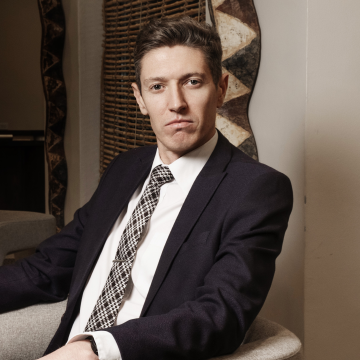
MANAGERS WITH little experience in ports, who still had to learn the nuts and bolts of running unfamiliar and complex businesses, had affected the capacity of Portnet to reshape its role and purpose, said Derek Lawrance, CEO of Ladit Enterprises and former deputy CEO of Rennies.
Speaking at the Maritime Africa 2000 Conference in Durban, Lawrance added that this had been aggravated by what he referred to as an unfortunate lack of continuity and credibility in the top leadership of Portnet.
A complex set of factors including organisational dynamics, fiscal constraints, difficulties involved in restructuring the port tariff system, logistical complexities and political and social reasons has a lot to do with the pedestrian pace of port reform.
Lawrance identified another problem area, the fact that virtually all of Portnet's net profit was a result of the ad valorem wharfage element of port charges. With one or two exceptions Portnet's marine and cargo handling operations all run at a loss.
He said that while there was no doubt of the sincerity and commitment of government and Transnet to port reform and privatisation, it remained likely that the process would take several years to unfold. Care must be taken not to concentrate only on the inefficiencies of the container system at the expense of the raw materials and beneficiated products that currently form the backbone of the country's export industry.
Richards Bay favoured
Lawrance came out strongly in favour of Richards Bay for future container terminal development, saying it was the obvious candidate. There were three reasons, he said. First, RB would be cheaper than elsewhere because of existing basic port infrastructure. Secondly it had rail connections with Gauteng, and thirdly the port had already attracted considerable manufacturing industry.
Of the various alternatives, Coega is the least merited. There is no large hinterland base of containers and there is a considerable space capacity in the existing container terminal at Port Elizabeth. Volumes would therefore have to come from Gauteng which is much closer to KwaZulu Natal, which would be better served by Durban or Richards Bay from both a transit time and cost perspective.
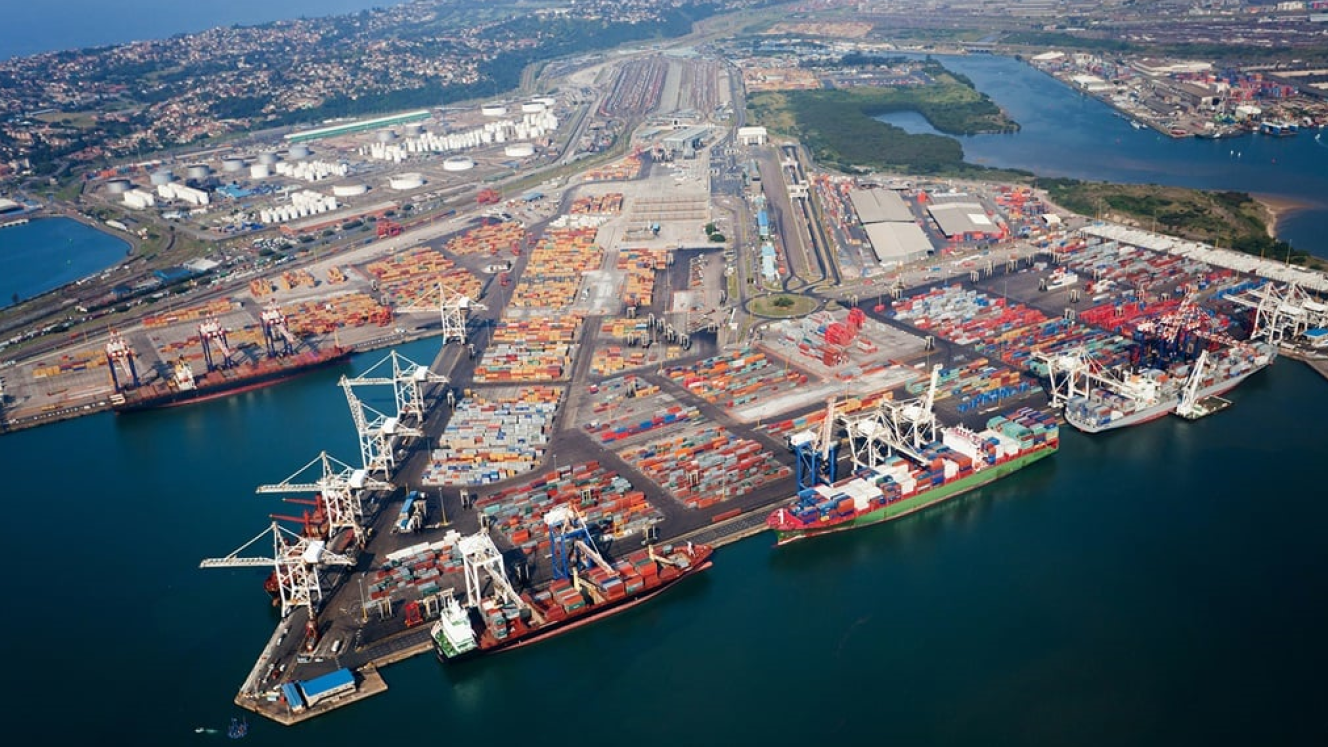
On Durban's potential Lawrance stressed the limited development options, including the dig-out port proposals at the airport site, which he said were largely ill-informed.
What is fairly certain, however, is that Transnet is unlikely to be able to fund future developments on its own. As a result there is a chance that overseas private port investors will be approached, opening up opportunities for international port operators to become involved in the South African scene.
Copyright Now Media (Pty) Ltd
No article may be reproduced without the written permission of the editor
To respond to this article send your email to joyo@nowmedia.co.za