The International Air Transport Association (Iata) has called for urgent action by the UK and the European Union to put in place contingency planning for the continuation of air services in the event of a ‘no-deal Brexit’, and to move much faster to bring certainty to three critical air transport issues.
These include the uninterrupted continuation of air connectivity; the framework for regulating safety and security; and the policies and processes needed for efficient border management
"These are the most critical areas because there are no fallback agreements such as the WTO framework available in a ‘no-deal’ Brexit scenario. Without any contingency planning being made transparent to the industry, the risks of not addressing these issues could mean chaos for travellers and interrupted supply chains. With less than six months to go, we have little more certainty than we did in June 2016," said Alexandre de Juniac, Iata’s director general and CEO.
Even in the best-case scenario, where a Brexit transition phase is agreed for the period after March 2019, a high degree of uncertainty and risk to air services remains, according to Iata. A no-deal or "hard" Brexit outcome, without an agreement for a transition period, is likely to lead to significant disruption to air services. Moreover, the lack of transparency concerning any contingency planning for this scenario has left airlines completely in the dark as to what measures to take.
"The EU and UK have a responsibility to millions of their citizens who depend on reliable air transportation. The goal should be a comprehensive air services agreement that does not step backwards from the connectivity existing today. But with the possibility of a ‘no deal’ Brexit still on the table this late in the game, it is now essential that the EU and UK civil aviation authorities plan for contingency arrangements to maintain a minimum level of connectivity, which is vital for people and for business. This has to be one of the most important Brexit considerations. A backstop contingency plan to keep planes flying after March must be published, and quickly," said De Juniac.
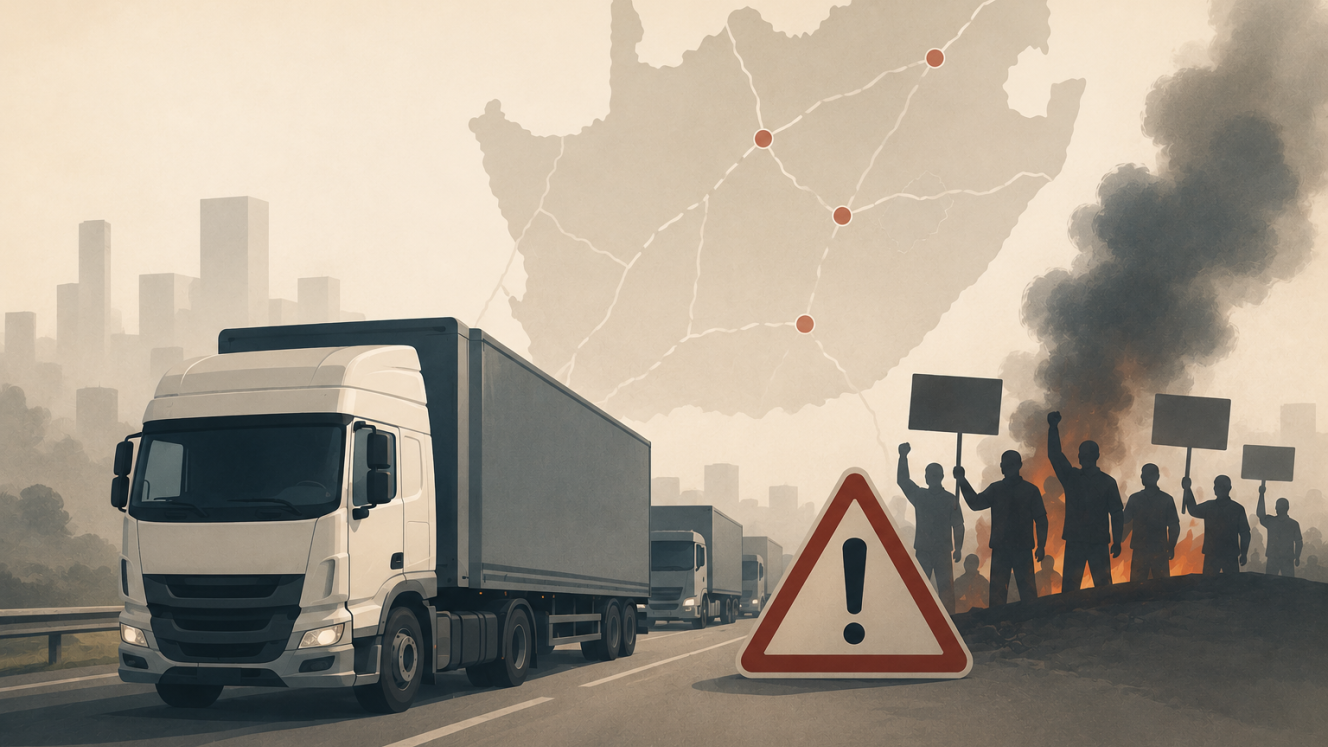
For the air cargo industry, a no-deal Brexit is extremely complex, with almost no clarity on customs arrangements. “The most likely scenario, even under a transition period, is for shipments to be delayed or disrupted, as new customs procedures become established.
"Interference with the movement of people and goods will have a major and immediate knock-on impact on economic activity in both the UK and the EU. Solutions to minimise disruption are of paramount importance. We must have clarity on future border and customs arrangements now, if we are to plan for an orderly post-Brexit situation," said De Juniac.