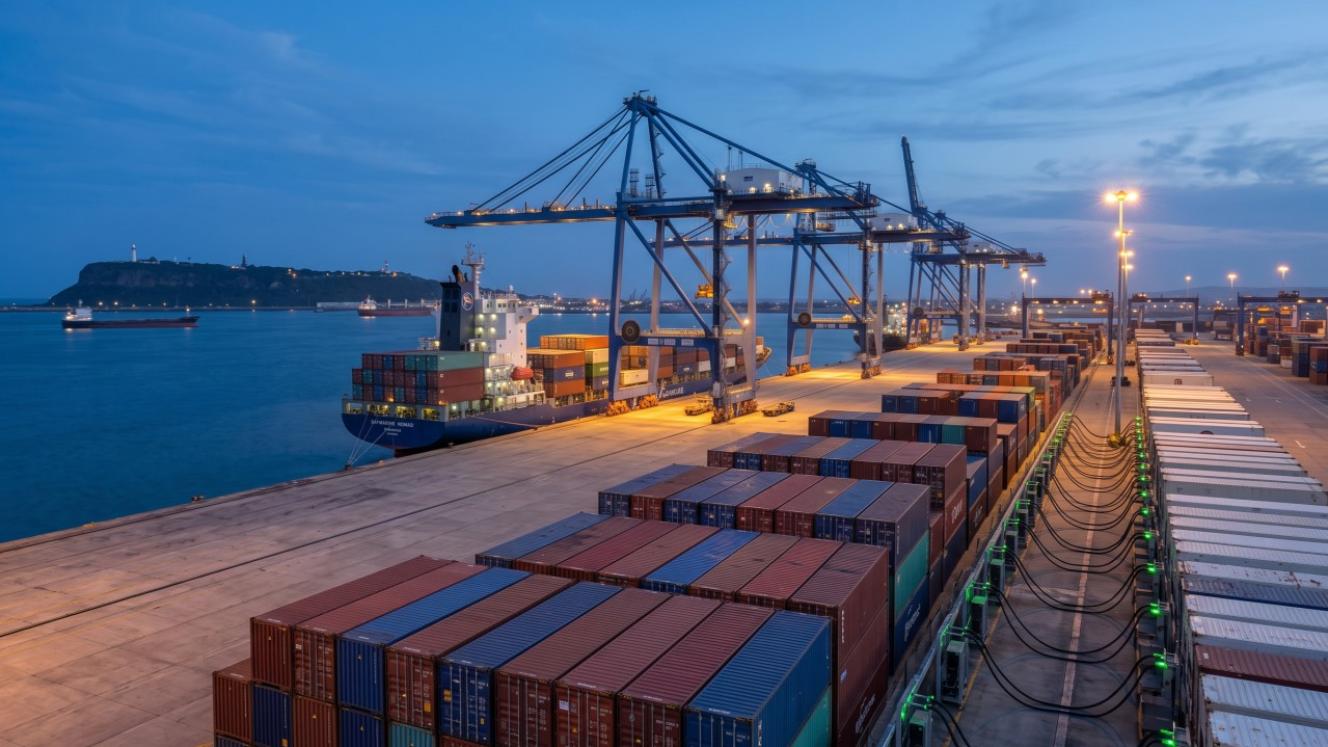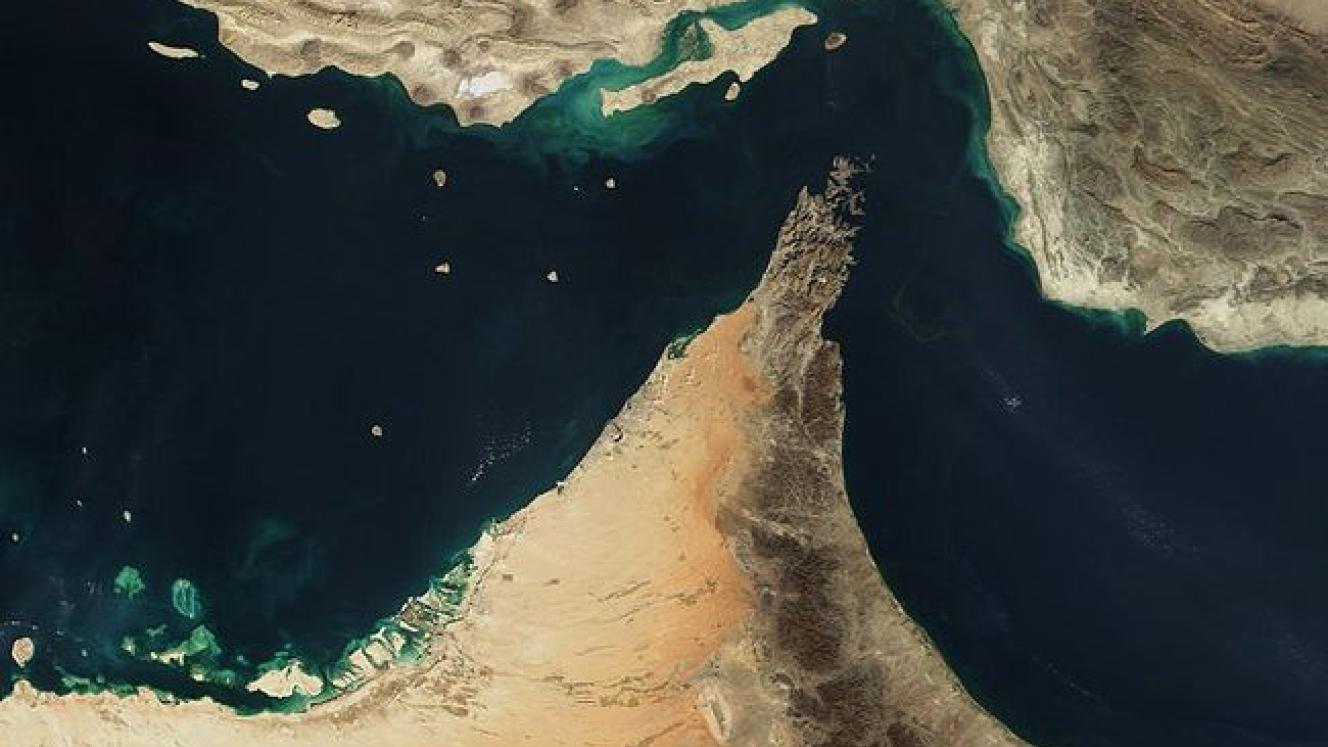
Three very large crude carriers have transited the Strait of Hormuz this week, raising hopes that limited guided commercial shipping movements may be resuming through one of the world’s most critical oil chokepoints.
Two Chinese-controlled VLCCs carrying Iraqi and Qatari crude sailed in synchronised formation with their automatic identification systems transmitting openly, Splash247 reports. The cargoes were bound for Quanzhou and Ningbo in China.
A third South Korean-flagged VLCC transporting Kuwaiti crude to Ulsan and Onsan in South Korea transited during the same period, but outside the Chinese formation and with AIS switched off, the maritime publication reported.
Maritime intelligence firm Windward described the outbound movements as “the strongest single indicator yet of a coordinated operating protocol on the corridor”.
The firm said this “may indicate a tacit operational understanding between Washington and Beijing that Chinese-controlled lifts of Iraqi and Qatari crude are not primary enforcement targets under the current US posture”.
Norwegian shipbroker Fearnleys also confirmed the movements, while Eastmed’s Grand Lady was believed to be transiting inbound to load inside the Gulf, according to Splash247.
Meanwhile, Iran’s Islamic Revolutionary Guard Corps navy separately claimed that 26 commercial vessels, including oil tankers and container ships, had transited the strait over a 24-hour period in coordination with Iranian authorities, according to Al Jazeera.
Iran is also seeking to establish a mechanism with Oman to ensure sustainable security in the Strait of Hormuz, Iranian Foreign Ministry spokesperson Esmaeil Baghaei told state TV, as reported by Reuters. Baghaei said Tehran was prepared to develop safe-shipping protocols with other coastal states.
Reports indicate that Iran is also moving to formalise greater control over strait transits through a new Persian Gulf Strait Authority. Windward reported that the authority’s official communications channel went live on May 18, describing this as a move from declaration towards operational rollout. The Maritime Executive separately reported that merchant vessels would need to apply to the agency for permission before receiving authorisation to transit the strait.
Despite the limited movements, industry bodies warned conditions remain highly volatile.
The International Chamber of Shipping, BIMCO, INTERCARGO, INTERTANKO, IMCA and OCIMF have issued guidance warning operators of continuing risks, including GNSS jamming and spoofing, AIS manipulation, mines, drones, unmanned surface vessel attacks and congestion.
“Transit planning must consider both security risk and navigational risk,” the guidance said, adding that postponing transits could still be the safer option when threat levels rise.
The advisory also warned crews to disable Bluetooth, WiFi and location services on personal devices because connected devices could expose vessel position data.