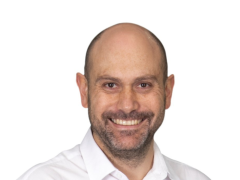
The secretary general of the International Maritime Organization (IMO), Arsenio Dominguez, has called for all parties to respect freedom of navigation amid escalating attacks on merchant vessels in the Strait of Hormuz region.
He made the call during the opening of the 12th session of the Sub-Committee on Ship Systems and Equipment (SSE 12) on Monday.
Addressing delegates at the IMO’s headquarters in London, Dominguez expressed grave concern over recent incidents that have claimed at least seven lives and left several seafarers badly injured.
“As I have said on numerous occasions, any attack on innocent seafarers or civilian shipping is unacceptable.
“These seafarers are simply carrying out their duties and performing an essential service to the global community, ensuring the continued flow of goods and energy, and they must be protected from the consequences of broader geopolitical tensions.”
Dominguez was unequivocal about the importance of safety at sea for mariners.
“All parties without exception, and I repeat, without exception, must respect the freedom of navigation, which is a fundamental principle of international maritime law.”
Dominguez urged shipping companies to exercise maximum caution in the region while monitoring the situation closely.
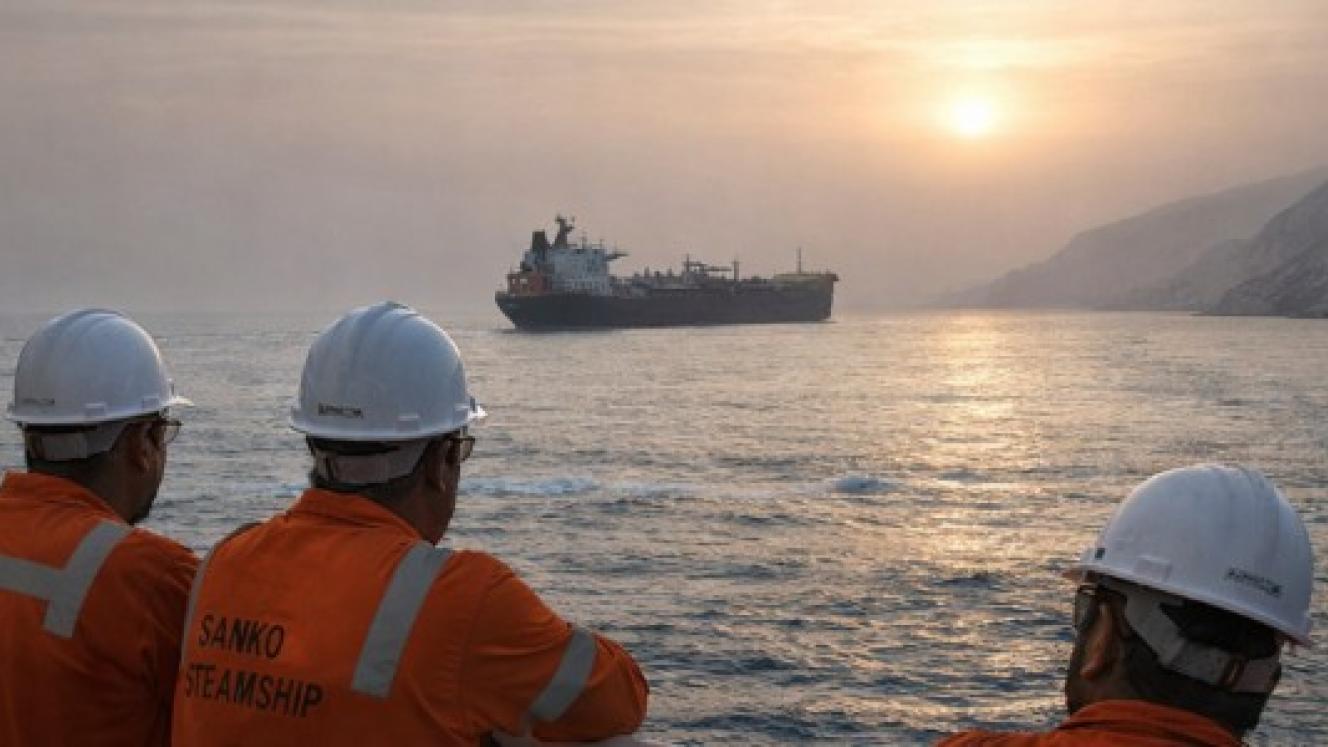
“My thoughts are also with the many seafarers who remain at sea in areas of heightened risk, especially those who are directly impacted by the instability in and around the Strait of Hormuz. They continue to perform their duties under challenging and uncertain circumstances as tensions escalate.”
Dominguez called on stakeholders to combat disinformation and rely on verified sources, highlighting the IMO's dedicated webpage for regularly updated, authoritative information on the evolving situation.
Dominguez previewed the 2026-2027 World Maritime Theme, ‘From Policy to Practice: Powering Maritime Excellence’, emphasising the SSE Sub-Committee’s role in translating regulations into effective implementation.
The session’s agenda focuses on two pillars: life-saving appliances and fire protection.
Under life-saving appliances, discussions will advance ventilation requirements for partially enclosed lifeboats, goal-based revisions to Solas Chapter III and the LSA Code, and issues related to self-righting and canopied reversible life rafts for new ships, including testing provisions.
Fire protection priorities include modernising the 2010 FTP Code to align with contemporary shipbuilding materials and converting non-mandatory Unified Interpretations into mandatory text for Solas regulation II-2/9 on fire containment.
A key urgent task involves fire detection and control on containerships and progressing amendments for portable infrared thermal imagers and water mist lances.
The sub-committee will also address hazards posed by New Energy Vehicles, including battery-electric vehicles that are prone to thermal runaway and re-ignition. It will consider enhanced early detection, verification and suppression system effectiveness.
The session also initiates a safety regulatory framework for the reduction of greenhouse gas emissions, including interim guidelines for ships using battery energy storage systems, as battery-equipped vessels are projected to grow significantly, potentially reaching nearly 18% of the global fleet by 2050.
The SSE 12 takes place from March 9-13.