President Donald Trump has warned that the US Navy could safeguard commercial vessels through the Strait of Hormuz, in a move aimed at restoring tanker traffic through the critical energy chokepoint, as conflict with Iran continues to disrupt global shipping.
The latest development follows Iranian threats to close the strait because of ongoing hostilities with the US and Israel.
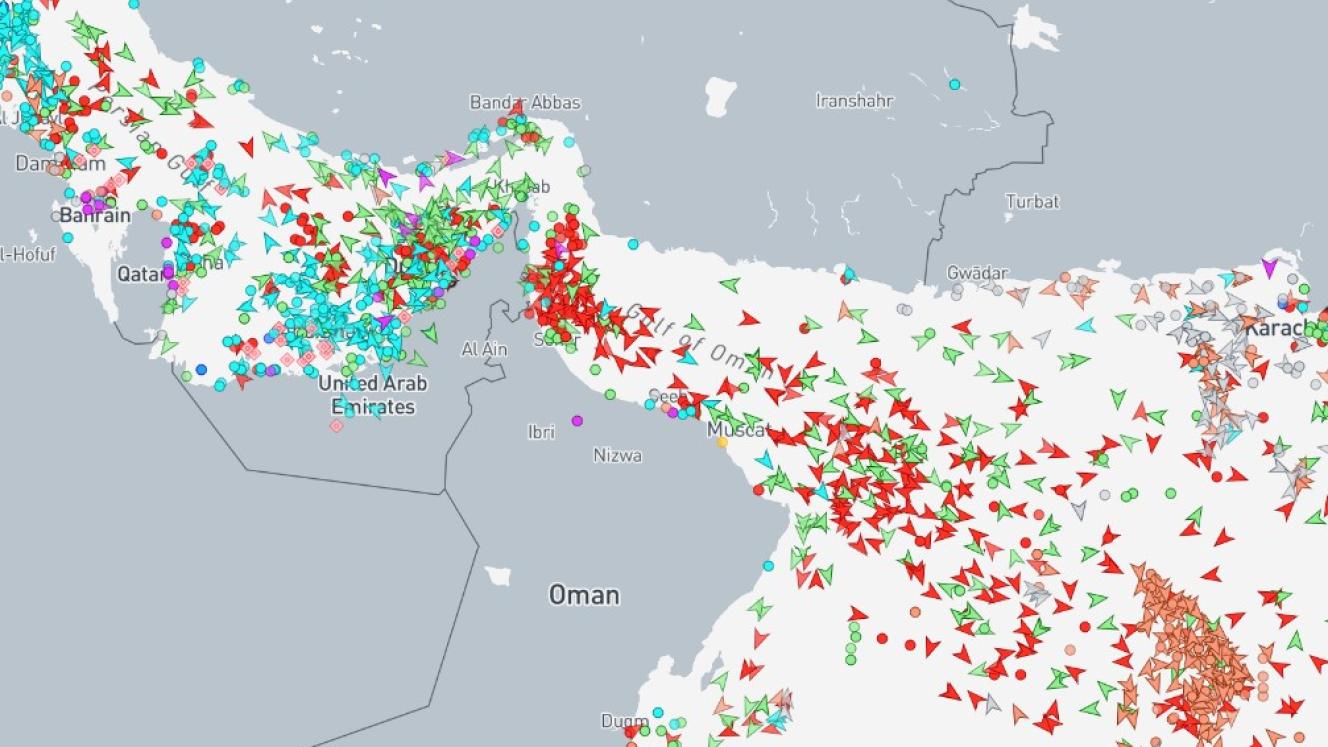
According to Lloyd’s List, tanker transits through the passage have halted since March 1. This leaves around 8% of the global very large crude carrier fleet locked inside the Persian Gulf and a growing number of vessels unable to enter the Gulf of Oman.
Navy Times reported that, in a post on his social media platform on Tuesday, Trump claimed the US military could help vessels transit the sea passage.
“If necessary, the United States Navy will begin escorting tankers through the Strait of Hormuz as soon as possible,” Trump said.
The announcement marks a reversal of earlier communications.
Lloyd’s List reported that less than 24 hours before Trump’s statement, US Navy officials had told shipping industry representatives that there was no prospect of escorts being deployed any time soon.
However, by Tuesday evening, the White House had signalled a U-turn and offered naval escorts along with financial guarantees to help support maritime trade.
Alongside the escort proposal, the US International Development Finance Corporation (DFC) confirmed that it was prepared to mobilise its Political Risk Insurance (PRI) and Guaranty products to stabilise international commerce.
In a statement, DFC said it would offer support to commercial shipping charterers, shipowners and maritime insurance providers in an attempt to minimise disruptions in the market.
“DFC's Political Risk Insurance and Guaranty products will help ensure commerce, capital and energy can operate at capacity during the ongoing conflict,” said Ben Black, DFC chief executive.
However, some operational and market uncertainties remain. Bloomberg reported that, while Trump’s announcement reduced some of the risk premium in energy markets, traders remained sceptical that the plan would restore oil flows to normal.
The report noted that crude prices had risen by more than 15% since US and Israeli attacks began. According to Lloyd’s List, Brent opened at around $80 (R1 310) per barrel, well below the $130 (R2 130) per barrel level that would suggest markets are pricing in a prolonged closure of the strait.
Reuters reported that a Suezmax tanker, Pola, switched off its Automatic Identification System (AIS) tracker as it approached the Strait on March 2 and reappeared off Abu Dhabi the following day. Reuters said industry sources described this as a rare voyage since the disruption began.
“If naval escorts and political risk insurance restore confidence, flows could gradually resume,” said Salar Ghahramani, a professor at Penn State University and founder of Global Policy Advisors.