Restoring normal vessel movements through the Middle East Gulf is expected to be the next major challenge as plans to reopen the Strait of Hormuz take shape.
Speaking during a Lloyd's List webinar yesterday, Intertanko marine director, Phillip Belcher, said reopening the strait would be only the first step towards restoring normal traffic flows.
Data presented during the webinar showed that some operators had already begun repositioning vessels in anticipation of reopening. Several commercial vessels were recorded leaving the Gulf following the signing of the memorandum of understanding, while Iranian tankers had also resumed movements in the region.
About 550 merchant vessels above 10 000 deadweight tonnes will need to be accommodated as traffic resumes, according to Lloyd’s List Intelligence. The fleet includes about 160 tankers, 200 bulk carriers, 60 containerships and 10 vehicle carriers.
Normal transit volumes through the strait are estimated at around 60 ships per day, highlighting the need for coordinated traffic management once operations resume, said Lloyd’s List Intelligence maritime risk analyst, Tomer Raanan. Existing alternative routes would be insufficient to accommodate demand, he said.
The reopening is also expected to release significant volumes of crude oil back into global markets. 54 supertankers carrying approximately 87 million barrels of crude remain stranded inside the Gulf, Reuters reports.
Managing the surge
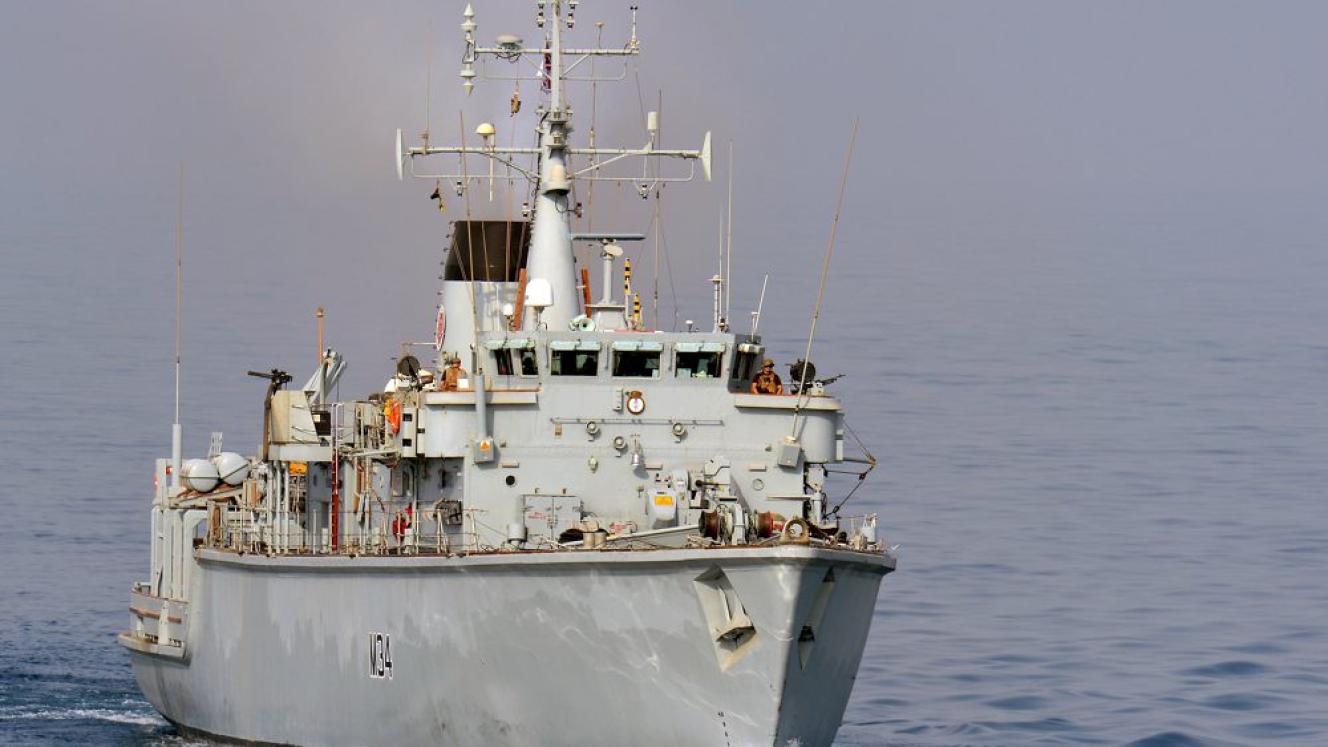
The immediate focus is on safe transit arrangements, including mine-clearance operations, publication of mine-danger areas, confirmation that alternative routes are mine-free, assurances that vessels will not be attacked and clear traffic-management procedures, according to Lloyd’s List Intelligence.
Industry representatives also called for a command-and-control structure to manage vessel movements, a defined booking system for transit slots, clear reporting procedures and designated points of contact for ship operators.
Lloyd’s List Intelligence outlined two possible recovery scenarios. In the more optimistic case, with successful mine clearance, clear transit rules and visible naval coordination, vessel queues could begin clearing quickly and traffic could normalise within about four weeks.
A more cautious scenario assumes lingering risks, insurance concerns and operational constraints. Under that outlook, participants said normalisation of Gulf shipping and energy exports could take several months, with some operators expecting a return to normal conditions only between the fourth quarter and the first quarter of 2027.