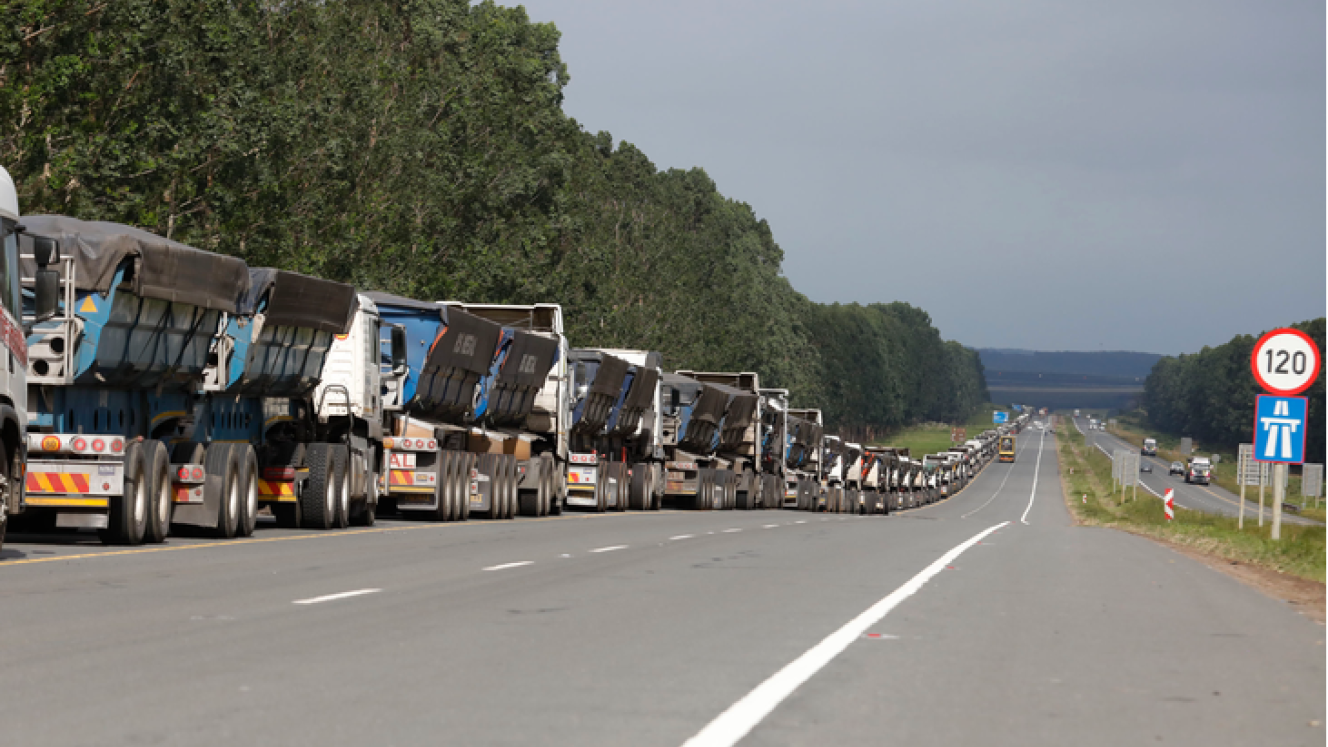
The World Trade Organisation (WTO) Standards and Trade Development Facility (STDF) has approved a grant of US $902 690 to simplify Sanitary and Phytosanitary (SPS) measures on selected commodities and trade routes in the Common Market for Eastern and Southern Africa (Comesa) region. Earlier work done by Comesa in partnership with the STDF and TradeMark Southern Africa (TMSA) found that SPS controls applied by exporting and importing countries, “are not always necessary or based on risk, and are costly to traders,” according to Comesa. Much of the cost lies in unnecessary delays, according to an Organisation for Economic Cooperation and Development (OECD) “Trade Costs: What have We Learned?” report. Authors Evdokia Moïse and Florian Le Bris say “long waiting times induce depreciation costs that can be particularly large for perishable and time-sensitive products such as fresh agricultural products, goods meant for immediate use like newspapers, or goods that are highly cyclical in consumption, in other words all goods whose elasticity of demand with respect to time is high”. “By looking at both formal and informal trade on selected trade routes, there is evidence that procedural obstacles, border delays and waiting times associated with SPS controls increase the cost of doing business,” adds Comesa. “These barriers turned out to be of more concern to traders than the fees levied on SPS certificates,” it says. The scheme’s pilot countries of Zambia, Zimbabwe, Malawi, Kenya, Uganda, Egypt and Sudan agreed to work together to promote cross-border agricultural trade. The Standards and Trade Development Facility is a joint initiative of the World Trade Organisation, World Bank, Food and Agricultural Organisation, World Health Organisation and the World Organisation for Animal Health.
Helping cross-border agricultural trade blossom
Comments | 0
© Now Media. This content is protected by copyright and may not be adapted or republished. If you would like to discuss cooperation opportunities, please contact: editor@freightnews.co.za.