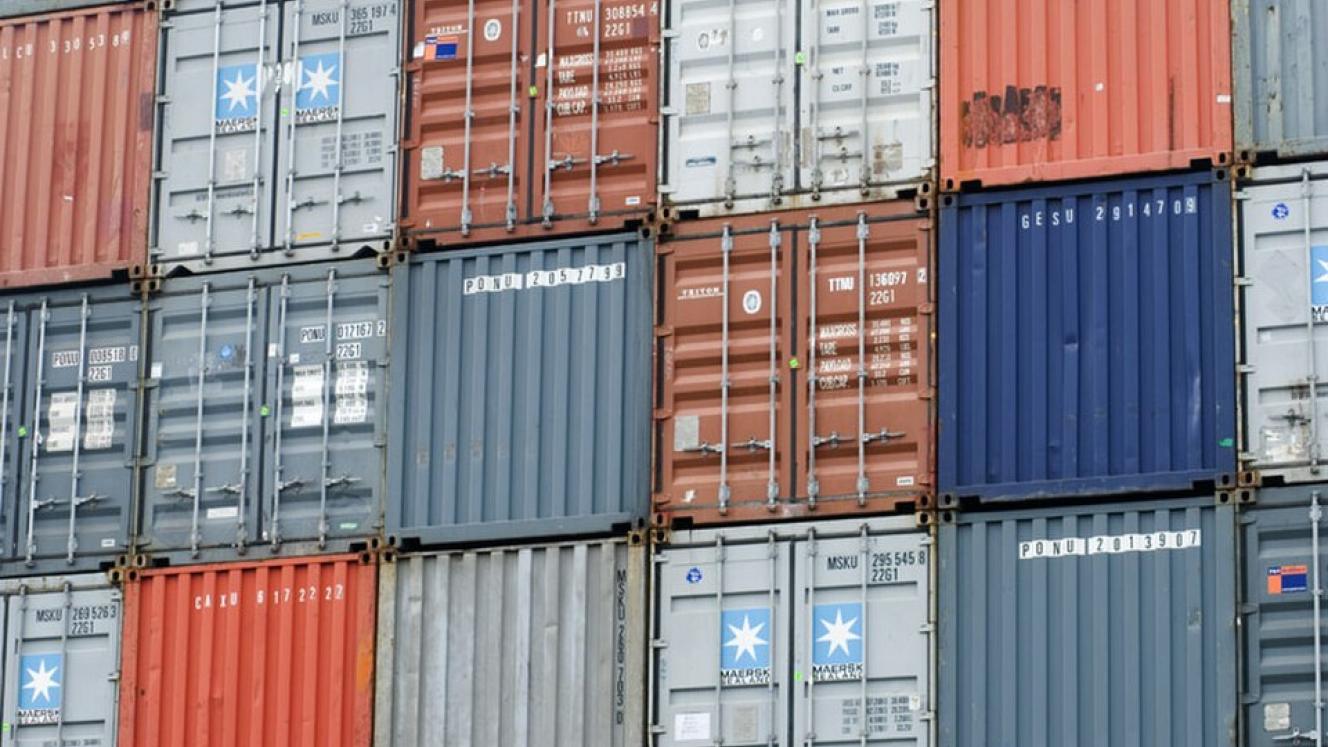
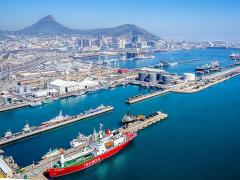
Boosting less-thancontainer load (LCL) volumes is not as easy as one would think, despite the growth of e-commerce and the move to ship smaller parcels more frequently. According to several industry sources, rate volatility continues to hit the sector hard. “LCL, more often than not, is the victim of the freight rate,” said one consolidations expert who preferred to not be named. “We have definitely not seen a big move towards LCL. That being said volumes have also not dropped. It’s consistent and seems to just tick along.” According to Terry Gale, chairman of the Exporters’ Club Western Cape, it remains more cost-effective to ship FCL from South Africa. “In many instances shippers with smaller consignments want to see it done quickly and then airfreight is by far the better
option. It is not only more cost competitive but also much quicker,” said Gale. “In very few instances is LCL routing direct. It is normally via a transhipment hub and therefore the transit time is much longer.” And then there are the security concerns. “You are leaving your cargo to be handled by a completely unknown third and fourth party both at origin and destination – and for many cargo owners this is a concern and the reason they steer clear of LCL,” explained Gale. Most forwarders agree, saying urgent freight is moved by air while the less urgent cargo is rather held back to do own buyer consolidations. The biggest issue, however, remains rates. What was once an all-in freight rate now includes several new and also increased charges such as the Solas fee of R375 per consignment and Free on Board (FOB) of R125 per freight ton. “In many instances, if it is a minimum shipment, the
South African landside charges are more than the freight,” said Gale. Groupage operators, however, are not sitting back watching their businesses disintegrate. Around the world these operators are continuously working to expand their service and product offerings. A lot of effort also goes into educating shippers and forwarders on
LCL and its cost advantages over FCL. At a recent container trade conference in Europe operators agreed that the sector was ultimately subject to FCL rate levels at all times. If FCL rates rise, shippers favour LCL, but as soon as the FCL rates drop, shippers revert to FCL. According to Gale this is also the case in South Africa.
CAPTION: If FCL rates rise, shippers favour LCL, but as soon as the FCL rates drop, shippers revert to FCL.