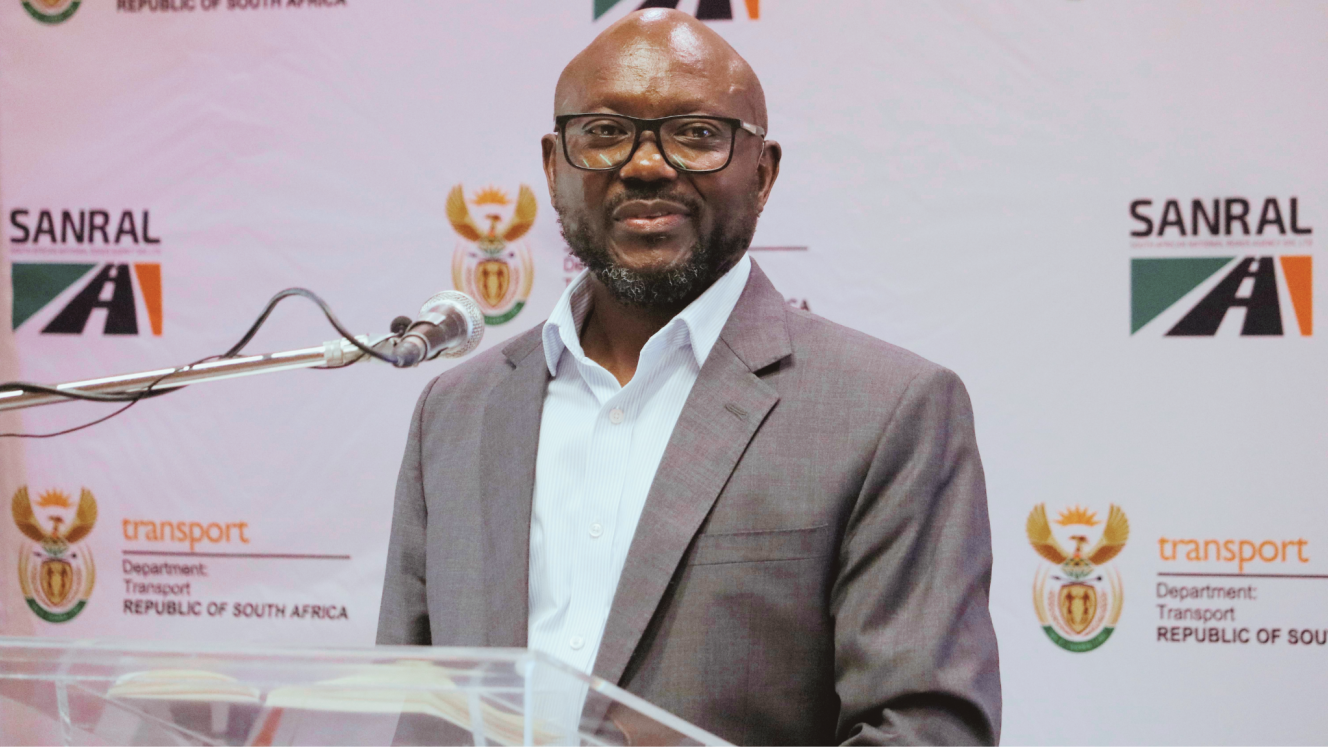
Collaboration can go a long way to ensuring success in the oil and gas field. According to Hilton Tait of FT Global Logistics, it is an industry sector that requires a good deal of planning and coordination of cargo flows to meet the deadlines of all involved, but working together with partners is just as important. “The sector is highly competitive and there is very little room for error,” he told FTW. He believes that experience, therefore, remains a distinguishing factor for success. FT Global Logistics, along with its sister companies in the First Tech Group of Companies – a large industrial grouping of some 18 companies that describes itself as “manufacturers involved in infrastructure development” – is heavily involved in the oil and gas sector in Africa, and is continuously working at extending its footprint in this market segment. “A number of our divisions previously participated in exports into Africa but these have been consolidated into a new division handling all group exports. We have identified target markets with mining and exploration opportunities,” he said. “We have also quoted on several export jobs into Africa. It as a continent where we have knowledge and contacts and are able to deal with the challenges associated with some of the destinations where large oil and gas exploration is taking place.” Tait also believes that being part of a group of companies allows for easier collaboration. He uses the example of the export of high-density polyethylene piping to various mines in Africa to illustrate the point. First Tech Piping, which is part of the group, manufactures the gas pipe and FT Global Logistics handles the export supply chain. “We already handle inbound logistics and delivery of such piping originating from Saudi Arabia, and with our sister company we are now reviewing the export market. Having successfully supplied gas pipe in the local market, we can share best practice and draw from each other’s expertise.” For Tait planning and co-coordinating cargo flows is key in order to ensure that customers get staged deliveries based on the justin- time delivery concept. “Neither of the two extrusion plants we are servicing at the moment can afford to shut down. They are 24/7 operations and if they do shut down there is a lot of wasted time and product as the extruders must be cleaned and then re-heated to achieve the required efficiency and quality.” At the same time, he said, they have to balance stock and cash flow requirements by ensuring the even flow of raw materials in small batch orders. “Raw material prices are high and fluctuate monthly so it pays to keep stock levels as low as possible, but without risking shut-down.” CAPTION Hilton Tait ... ‘very little room for error.’
Group companies provide ‘one-stop shop’
Comments | 0
© Now Media. This content is protected by copyright and may not be adapted or republished. If you would like to discuss cooperation opportunities, please contact: editor@freightnews.co.za.