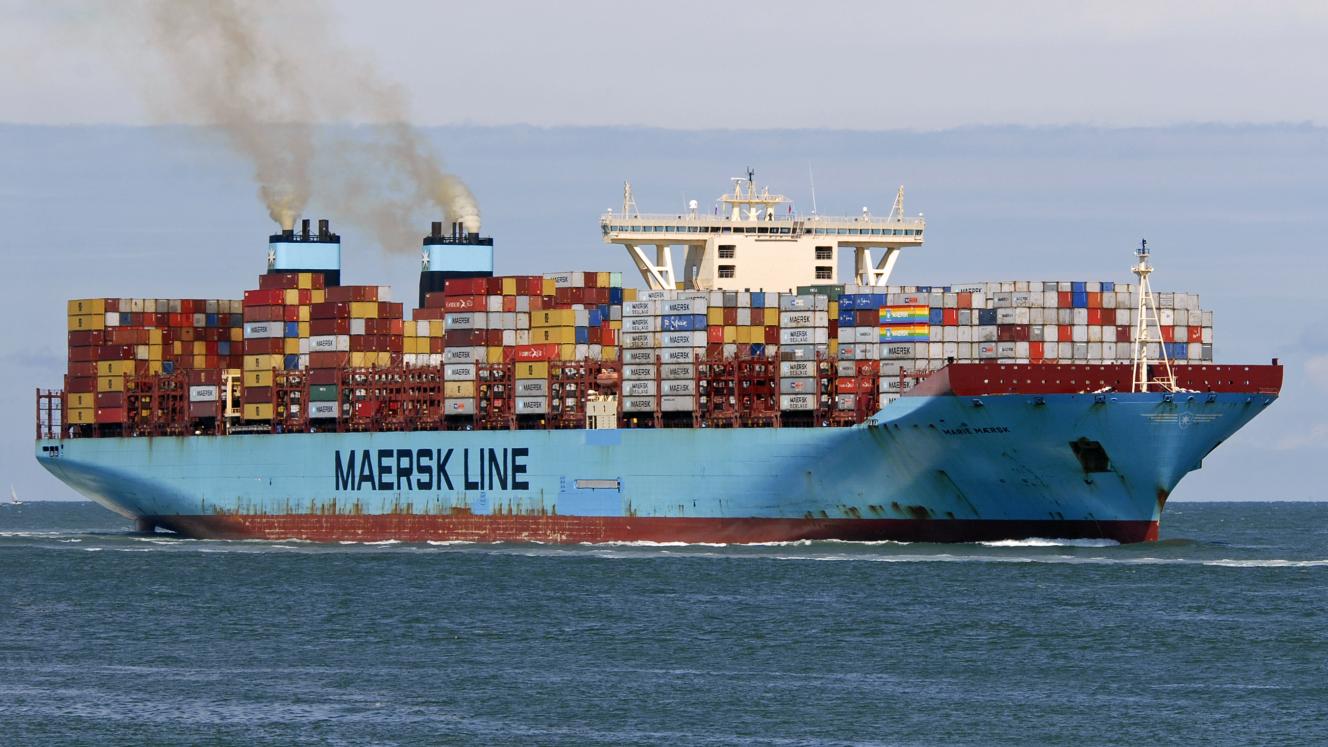
South Africa’s big fruit exporters – including Dole and Capespan – will, for the second year running, charter conventional reefer vessels during the Cape’s windy season, shying away from containers. A disastrous peak season two years ago spurred the move to conventional vessels after fruit failed to reach the market on time due to wind delays at the Port of Cape Town. While the Cape Town Terminals (CTT), formerly the Cape Town Container Terminal, have since made massive inroads in addressing wind delays, the exporters say it is still not worth the risk as heavy winds often see the terminal-wind bound which plays havoc with shipping schedules. According to Deon Joubert, general manager of Capespan fruit logistics, the losses recorded should fruit – mostly grapes – not reach the market are significant. “The loss one is speaking of is R16 for every 4.5kg of grapes if one is delayed. We need to move fruit out of Cape Town once a week consistently and that cannot be guaranteed unless we charter conventional reefers,” he said. During the 2013/14 season five conventional reefers were chartered and no delays were experienced – hence the decision to do the same for the 2014/15 season. Joubert said this by no means indicated a move away from containers for the export of fruit. “This is a very specific situation during the Cape’s windy months and really only affects the grape exports. Grapes are an early fruit and have to be moved consistently or you miss the market completely which has major financial implications,” he said. Providing that consistent service remains a tough call for the container terminal in view of the wind element. And exporters are sticking to their guns, saying they are not going to take a chance with the Cape doctor any time soon – and for the unforeseeable future. When it comes to grapes they will rely on conventional reefers rather than containers. INSERT & CAPTION Grapes are an early fruit and have to be moved consistently or you miss the market completely which has major financial implications. – Deon Joubert
Grape exporters shun containers
Comments | 0
© Now Media. This content is protected by copyright and may not be adapted or republished. If you would like to discuss cooperation opportunities, please contact: editor@freightnews.co.za.