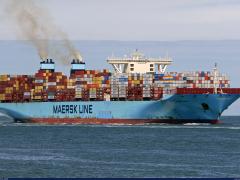
Calls for an African fleet of ships hit the headlines again recently, with African Union (AU) chairperson Nkosazana Dlamini-Zuma saying that, in the context of an integrated African maritime sector, harmonised agreements that were in the interests of regional economies would be critical. The AU’s draft Integrated African Maritime Strategy 2050 (which is nowhere near completion) also makes a big play of the African fleet, outlining the importance of a fleet of vessels owned by Africans and flagged in African countries. And Sobantu Tilayi, chief operations officer of the SA Maritime Safety Authority (Samsa) has already told FTW that SA has added its support to these plans by the AU to set up an African ‘cabotage’ regime to ensure that only African-owned vessels can trade within the continent’s coastal waters. Also, SA’s deputy transport minister Sindisiwe Chikunga was adamant that SA would become a shipping nation. “Government wants to enter the international shipping market,” she said. “We want to build, maintain and repair ships. We intend for SA to have its own fleet as soon as possible.” Until Africans owned ships, the continent would not control who was employed, how they were employed and which routes they adopted, she added. So, government in Africa as a whole and SA in particular, have been, and still are, trumpeting the African fleet ideal. But, as far as the shipowners are concerned, there are serious questions about the practicality of these goals, and the consensus of opinion was summarised by one as “government’s impossible dream”. And, on the local front, government has been guilty of lots of PR plaudits, but little in the way of practical action. SA’s shipping registry has been empty since 2010, when the last remaining commercial vessel to fly the SA flag was decommissioned. And plans to attract shippers have not been adopted yet. The Treasury’s introduction of a tonnage tax, suggested as far back as 2005, appears to have stalled. Also, a policy framework for the maritime sector, which is set to guide the government’s response, has long been promised by the department of transport. But the department has had three different ministers in two years, and this has compounded the policy uncertainty. SA-flagged vessels are not the answer, however, according to members of the shipping industry. It would also need beneficial ownership of the vessels in SA. And, for that to happen, we need to be competitive. And we’re not, according to shipowners. Corporate tax, dividend tax and capital gains tax make us uncompetitive, they said. They also pointed to the proposed tonnage tax in SA as having been, when it was first proposed, one of the ways towards competitiveness. And tonnage tax regimes have been successfully implemented in other countries such as Belgium, India, Ireland, the UK and the Netherlands. But, although government was supposed to be completing the development and revamping of the maritime industry and its shipping regulatory frameworks – including tonnage tax and related legislation – this has just gone nowhere up to now. The need now is for SA to join the “best-in-class” tax regimes, like Singapore, where the way they promote shipping includes very preferential rates of tax and an absolute ease of doing business in their island state. However, according to the shipping fraternity, this needs a very specialised sort of arrangement, which goes far beyond vessel registration. A situation which rather gives a wake-up call to the government’s impossible dream. INSERT & CAPTION We intend for SA to have its own fleet as soon as possible. – Sindisiwe Chikunga
Government's maritime aspirations an impossible dream
Comments | 0
© Now Media. This content is protected by copyright and may not be adapted or republished. If you would like to discuss cooperation opportunities, please contact: editor@freightnews.co.za.