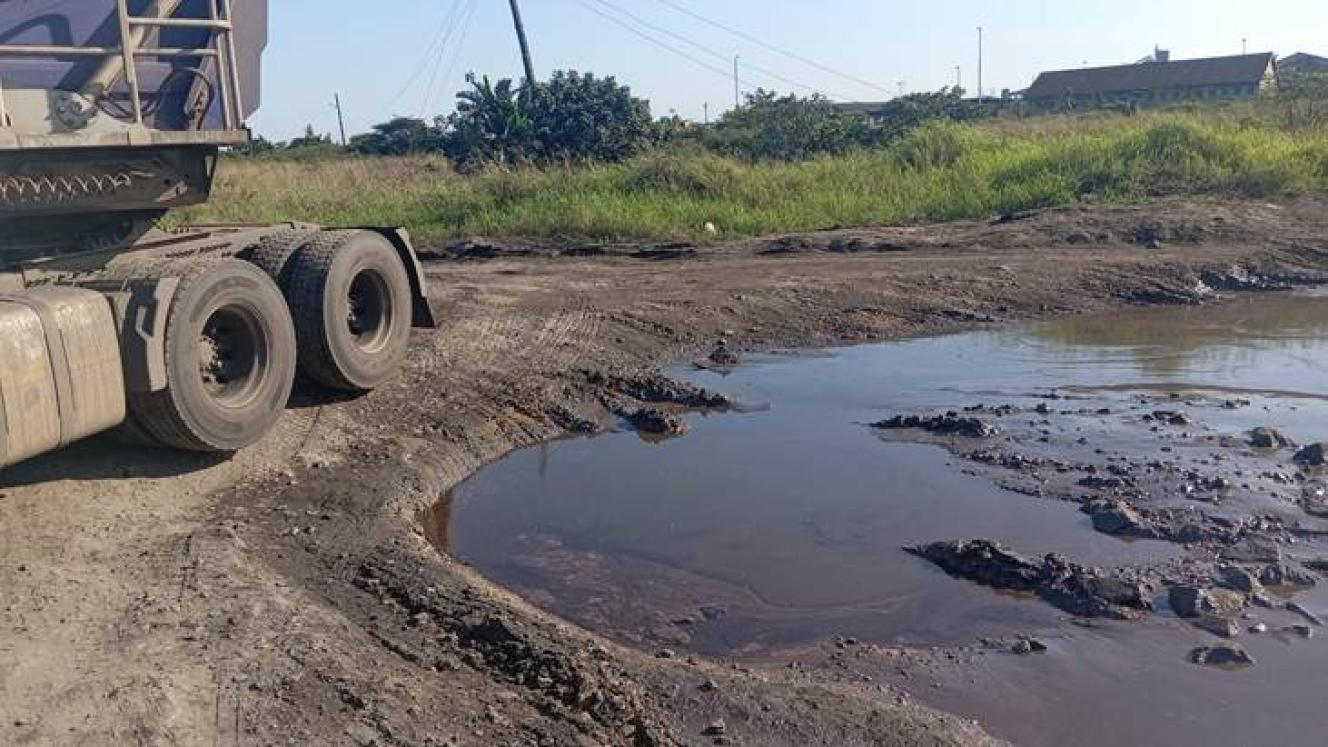
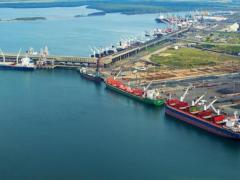
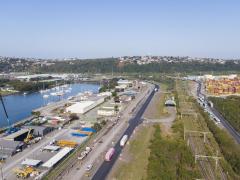
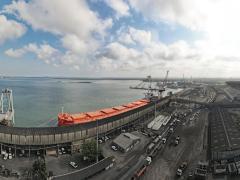
Heated exchanges between Transnet CEO Brian Molefe and mining major BHP Billiton have brought into the spotlight Transnet’s motivation behind investigating the feasibility of setting up a coal terminal to exclusively service junior miners. At the end of October, Molefe lashed out at the shareholders of Richards Bay Coal Terminal, including BHP Billiton, Anglo American and Exxaro, accusing them of not giving sufficient export capacity to junior miners. RBCT has a capacity of 91 million tpy with 4 million tpy allocated to black coal miners under the Quattro scheme. Because of the major miners’ control of RBCT, Molefe noted that Transnet was pressing ahead with its study into creating a second coal terminal, focusing on the emerging junior miners. “We’re not about to do anything extrajudicial, which is why I say we are considering building another terminal next door,” Molefe said during a Q&A session of the results presentation, in which the parastatal reported a 71% increase in profits for the six months to September 30. He added that earlier that week he had nearly come to blows with BHP Billiton because the miner refused to part with an additional 1 million tonnes capacity. In response, BHP Billiton Energy’s asset president, Manie Dreyer, said that Transnet had tried to force the mining company into giving up 1 million tonnes of export capacity through Richards Bay. Transnet has been trying to get the coal producers to agree on a take-or-pay railage contract since 2005, under which the coal exporters have to commit to railing specified volumes of coal. If these volumes were not met, then the coal producers would still be liable to pay the railage charges on the contracted volumes. Transnet said it would only consider investing in expansion of the rail capacity to RBCT if the coal companies signed these contracts. BHP said that Transnet’s constrained rail capacity was the real barrier for all coal miners to export their product. “The reality is that Transnet Freight Rail’s rail capacity does not even match the current port capacity,” BHP said in a statement following Molefe’s allegations. The prefeasibility study for the second coal terminal has been completed and presented to the company’s Capital Investment Committee. This committee is to decide the viability of such a terminal. However, Molefe first has to see the prefeasibility report and listen to the committee’s recommendations before Transnet will make a decision on whether to proceed to feasibility stage. A Transnet official declined to comment on the status of the proposals, but said that as at November 13 he knew the CEO had yet to review the findings of the prefeasibility study. Meanwhile, the major miners, like BHP, and Transnet remain on opposite sides of the table. INSERT & CAPTION Shareholders of Richards Bay Coal Terminal are not giving sufficient export capacity to junior miners. – Brian Molefe
Gloves are off in Transnet/Billiton coal terminal scrap
Comments | 0
© Now Media. This content is protected by copyright and may not be adapted or republished. If you would like to discuss cooperation opportunities, please contact: editor@freightnews.co.za.