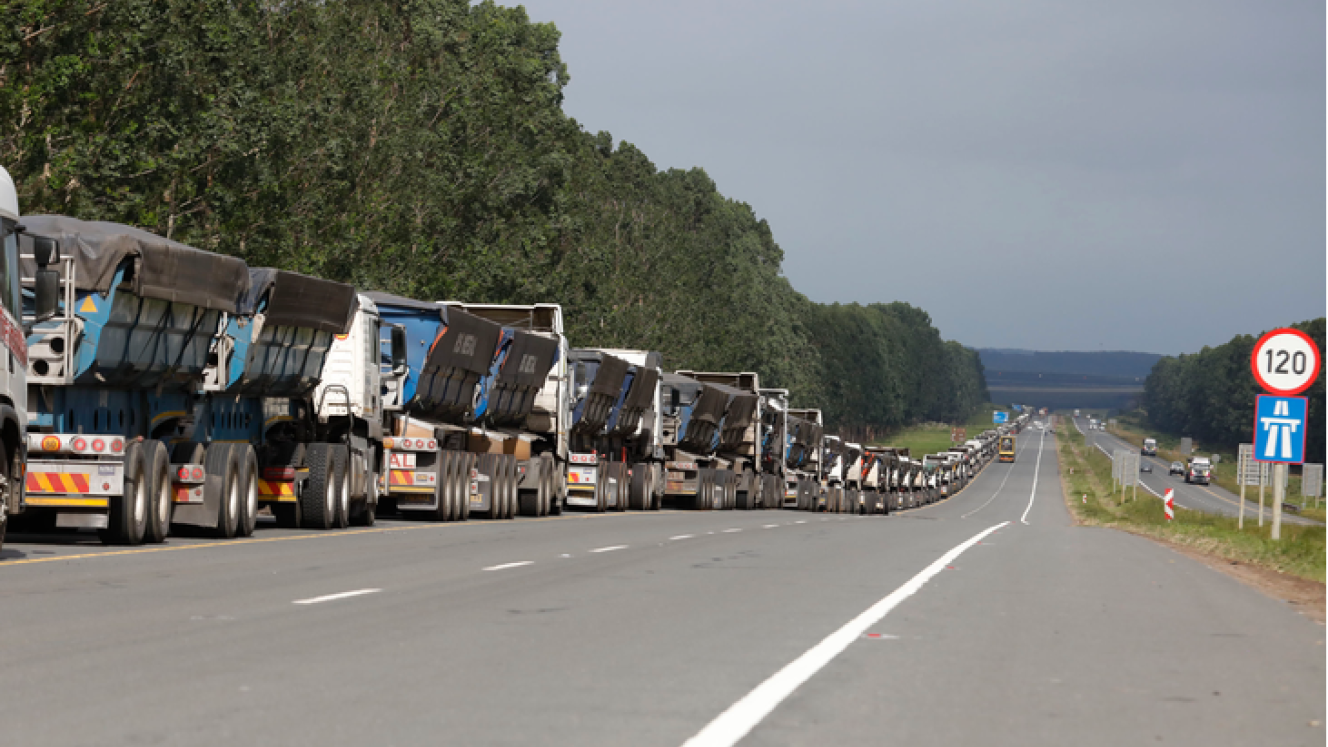
Impressive upgrades at many of southern Africa’s major ports are grabbing the headlines, but improved port productivity is only part of the equation. “From an insurance perspective it’s not only about the port infrastructure, but what happens afterwards,” says Associated Marine chief operating officer Dave Keeling. “The delivery mechanism from Durban to Johannesburg is First World – apart from the potholes. It’s all very well to use an alternative port but the basic infrastructure from the port to the inland destinations is a critical factor,” Keeling told FTW. And when it comes to marine insurance, geographic location will also influence the rate. “An all risks marine policy will cover all risks during the normal course of transit. Effectively from time of departure to time of delivery although there are all kinds of parameters that define when risk attaches and when it’s completed. The normal course of transit for an LCL shipment, for example, will be from the supplier’s warehouse to the LCL depot where cargo will be stuffed into the container; from the depot to the ship; from port of origin to port of destination to the depot where it’s destuffed and from which it's conveyed to final destination. Our cover would only stop short of destination if the insured elected to store the goods prior to receipt , or if terms of sale so dictated.” The all risks policy will cover normal theft issues, says Keeling, like customs ‘sampling’, misdirection of the cargo – whether on purpose or accidental – or catastrophetype risks like floods in the rainy season. Delay, however, is a specific exclusion and loss or damage as a result of a delay is excluded. And this is particularly relevant in the case of perishable cargo. Whether as a result of a shortage of plug points, loadshedding or a faulty genset, if the fruit is damaged as a consequence, additional cover is required. “If you bring the delay issue into general cargo, the delay is unlikely to affect a piece of machinery, for example. The all risks policy covers physical loss and damage to cargo and goods. Any loss as a result of the delay will tend to be consequential – like a shortfall in production – and that can be catered for by advanced loss of profits (alop).” But according to Keeling this is meaningfully more expensive which is why it’s not taken very often. Delays either in the port or on the inland leg must therefore be carefully factored into port decisions. While the ports of Maputo and Walvis Bay have made significant progress in upgrading the inland leg to support additional cargo, other southern African ports clearly have a way to go. All of which means that it will likely be some time before Durban’s dominance as the springboard into the continent faces any real challenges. INSERT & CAPTION It’s all very well to use an alternative port but the basic infrastructure from the port to the inland destinations is a critical factor. – Dave Keeling
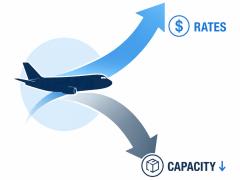
Geographic location will influence marine insurance rate
Comments | 0
© Now Media. This content is protected by copyright and may not be adapted or republished. If you would like to discuss cooperation opportunities, please contact: editor@freightnews.co.za.