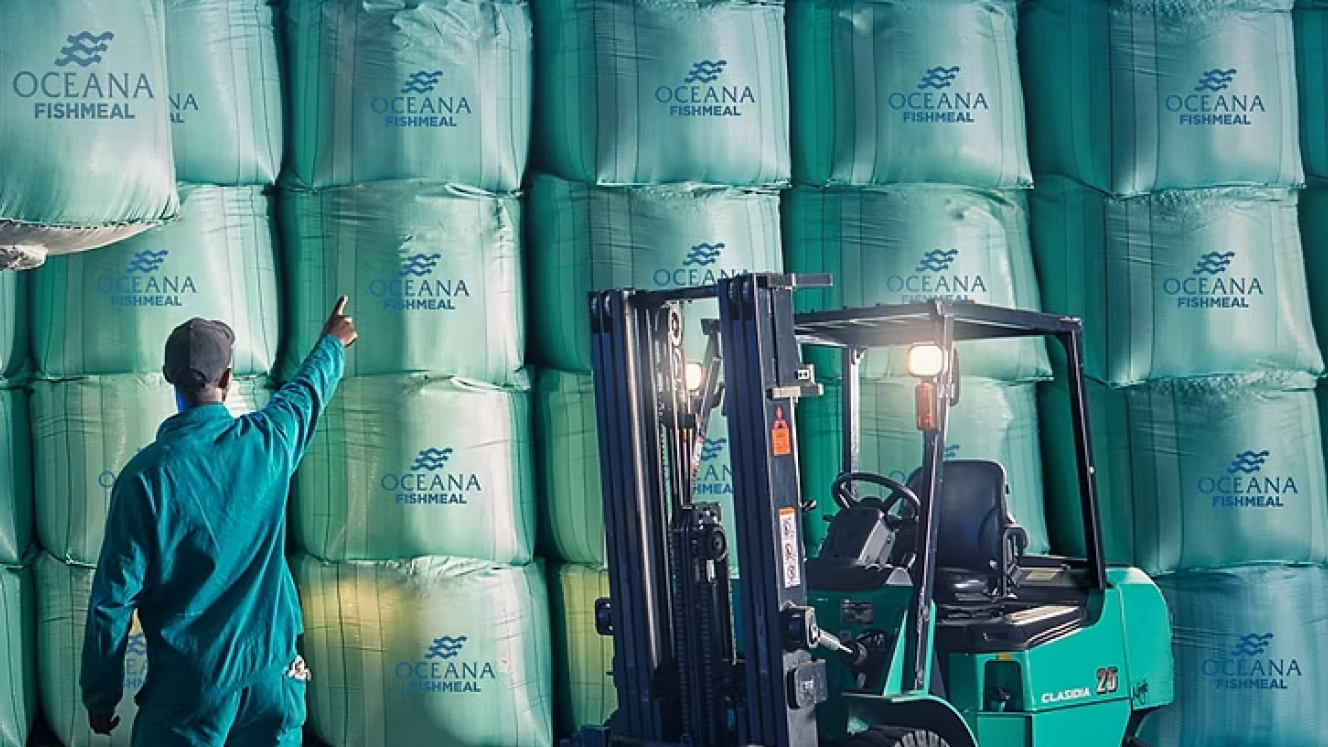
Fuel hedging and fleet upgrades helped support Oceana Group’s wild-caught seafood business as lower global fish oil and fishmeal prices, weaker squid catches and rising fuel and freight costs weighed on the trading period.
In its recently released interim results, the company said gross profit margin had improved by 30 basis points to 28.1%, from 27.8% in the previous reporting period, leading to operating profit of R665 million.
The company said it had reduced operating costs by 6.1%, which includes a fuel-hedging gain of R43 million, of which R33 million was unrealised.
The results are a reflection of the impact of higher fuel prices on the shipping industry as a whole.
Major shipping companies commonly hedge bunker prices, using a variety of financial instruments.
In Namibia, Oceana’s savings on fuel hedging produced a gain of R25 million (R19m unrealised) in the horse mackerel fleet, while the gain was R18 million (R14m unrealised) in the hake fleet.
Oceana had hedged 70% of its expected fuel requirements for the rest of the financial year, which ends on September 30.
The decision reduced Oceana’s exposure to the rapid rise in fuel prices since the start of the American and Israeli attacks on Iran on February 28.
This is helping it to weather the fuel price storm while fleets around the world are standing idle or reducing time at sea, according to the Global Banking and Finance Review.
It reports that fishing activities have been affected in the United States, South Korea, Indonesia, Alaska and the Netherlands.
Reports from other African markets also point to diesel shortages and rising fuel costs affecting fishing activity, including in Somalia and Kenya. News agency Drop Site reports that Somali fishing fleets have been tied up due to a lack of diesel, while Kenyan media report that Lake Victoria fishermen have warned that they either have to increase prices or reduce the catch.
Despite the fuel-price pressure, Oceana Group chief executive officer Neville Brink says the company is better positioned after investing in assets and reducing unpredictability in the business. “Following investments in assets and moves to reduce unpredictability in the business in recent years, Oceana is in a good position to capitalise on cyclical improvements in resource availability, market demand and stronger pricing.”
However, the group warned that “rising fuel costs, increased freight expenses and a stronger rand are concerns”.
The impact of higher diesel prices extends beyond fishing fleets, as fuel costs directly affect logistics costs. Road transport and shipping operators are both exposed to higher operating costs, which can feed through to consumer prices and weigh on demand.