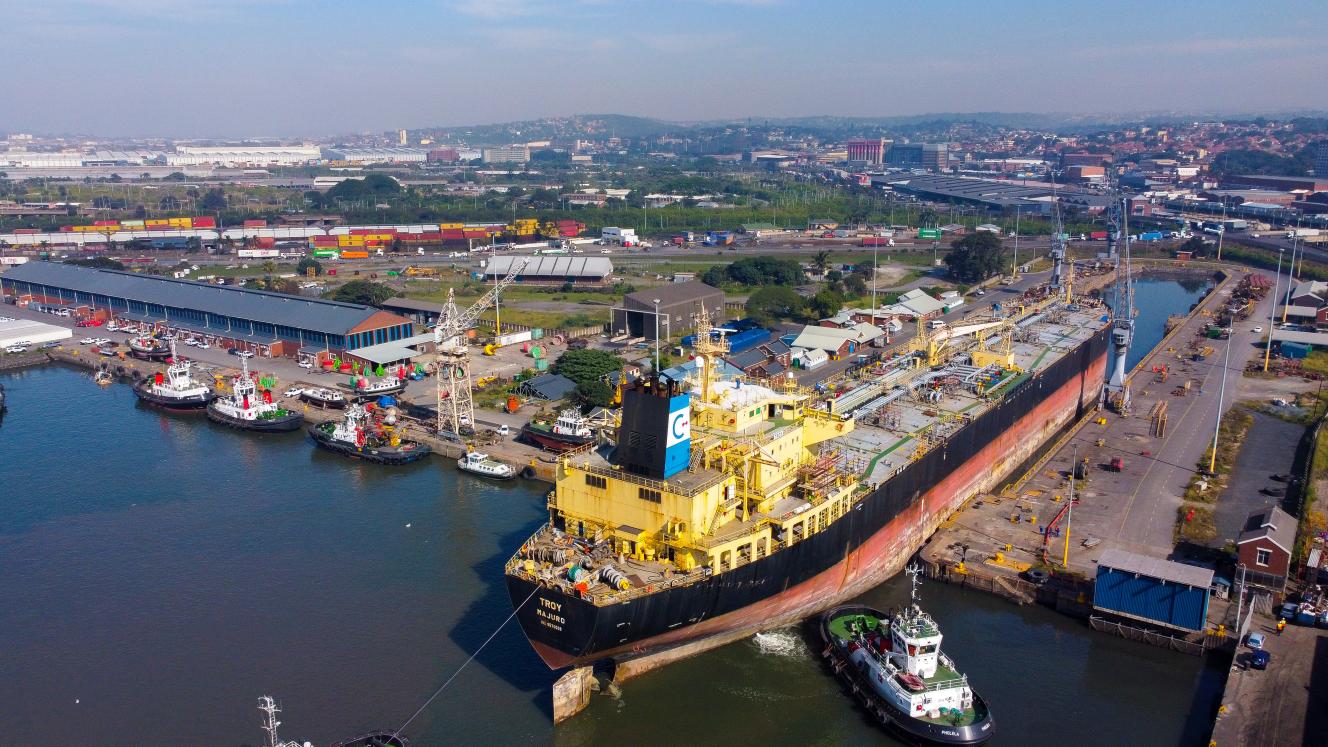
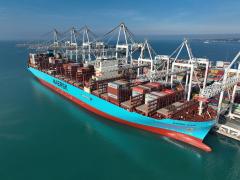
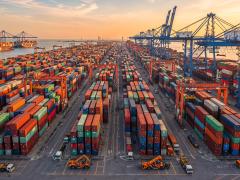
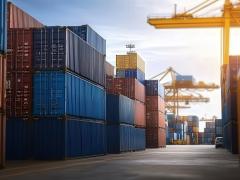
Whether the timing of Transnet’s national worker strike is by design or otherwise, it has badly knocked the fruit export sector, with fears growing the R12 billion-a-year industry could be severely compromised without a speedy resolve. Just how much the unrest is costing the economy, not to mention the impact on the looming FIFA Soccer World Cup, has yet to be determined but it’s safe to assume any ongoing deadlock will cost billions of rand in lost imports and exports, with fruit only one commodity to suffer. Containerised shipping and all other elements in the supply chain are at a near standstill, port terminals remain closed, leaving hundreds of hauliers without work and many containers stranded on the quayside, so to speak. The only terminals fully operational at major ports are those operated by Capespan subsidiary, FPT. Safmarine, with a number of vessels waiting outside ports and unable to move any containers by rail since the strike took effect on May 10, has set up a special team to make alternative plans for short-shipping cargo as well as deciding which vessels will have to omit their port of call or continue to wait outside port for a berth. “All stakeholders are aware of the strike’s impact on the economy and the cost of doing business in South Africa and while there is an element of urgency in resolving this matter (the strike), it is not possible to say when it is likely to be called off and the wage dispute settled,” says Safmarine South African corporate affairs executive, Fred Jacobs. Capespan, the country’s major fruit exporter with around 20% of market share, has resorted to opening contract stores earlier to absorb initial fruit volumes, mainly citrus, of which the export estimate is around 90 million cartons this season, and to a lesser extent, pome fruit. It has also lined up at least three conventional ships to date to move fruit to Europe and the Middle East over the next two-odd weeks, due to the inability of container liner shipping to provide the service. Deon Joubert, general manager operations, for Capespan Exports, estimates the impasse could cost the country’s growers some R6 million a week in storage costs alone. “For us, the strike could not have come at a worse time, other markets filling the gap which could make it very difficult for us to regain.” Speaking in a personal capacity about the “horrific” current scenario, Joubert says it places huge financial pressure on all involved; furthermore he cannot foresee how Transnet can accommodate a 15% across the board union wage demand, given South Africa’s current economic climate. Stuart Symington CEO of the Fresh Produce Exporters’ Forum (FPEF), says the country ships roughly 200 000 tonnes of fruit a month (peak seasons excluded), to overseas markets via Cape Town, Port Elizabeth, Durban and Maputo. “The inability to move our fruit is not good for customer relations.”
Fruit sector takes major knock
Comments | 0
© Now Media. This content is protected by copyright and may not be adapted or republished. If you would like to discuss cooperation opportunities, please contact: editor@freightnews.co.za.