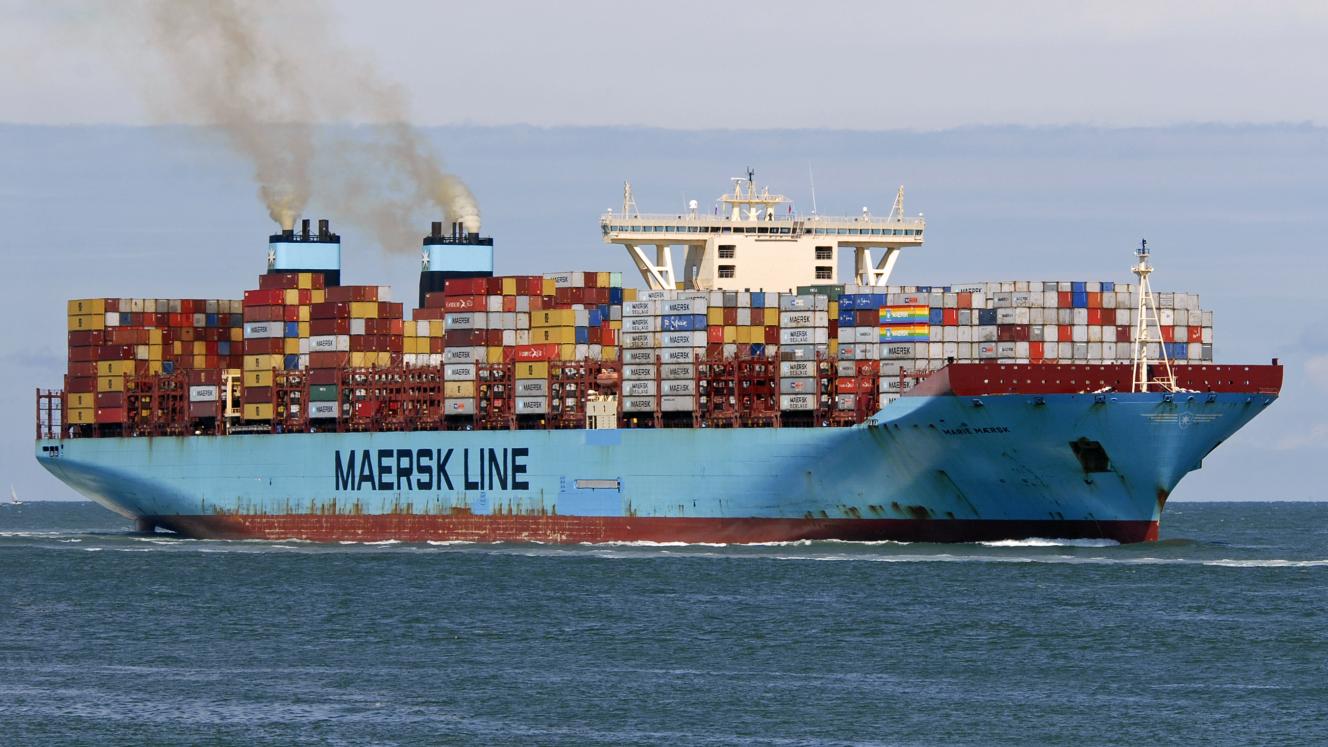
The answer to increased
container capacity in South
Africa does not lie in the
Port of Durban but rather in
the still under-utilised Port
of Ngqura in the Eastern
Cape.
This is according to
American consultant
Franco Eleuteri who has
been working closely on the
Tambo Springs and Dube
trade port developments in
the country.
Eleuteri told FTW there
was a seeming insistence
in South Africa amongst
both public and private
stakeholders that the
solution to handling more
volumes lay in Durban,
which he believes is not the
case.
“You definitely do not
need a new dig out port or
further expansion of an
already congested Durban
port,” he said. “The Port
of Ngqura is the perfect
solution. It already has the
capacity to handle larger
vessels and more volumes.”
But, he said, it would
mean letting go of the
notion that the port is
perfect for transhipments.
Developing the Eastern
Transportation Corridor
will also not cost half as
much as digging out a new
port or finding solutions
to the increased number of
trucks required to service
Durban, a port essentially
surrounded by city.
“Ngqura is not only
ideally located, but has the
capability and facilities
already in place. It would
require some development of
the railway line between the
Eastern Cape and Gauteng
– but essentially most of the
infrastructure is in place.”
He said one major
shipping line had already
given its assurance that
should the Eastern corridor
be able to commit to a
24-hour delivery into
Johannesburg after arrival
of the vessel they would
move to this port without
further ado.
“All the focus is on the
freight corridor between
Durban and Gauteng – and
the Eastern Cape is being
ignored when it offers the
most obvious solution.”
He said initial analysis
had shown that a 24-hour
delivery to Johannesburg
was feasible on rail.
“There are some changes
that would have to be made
– including a new control
system – as the current one
is antiquated, and then
an investment into diesel
electrics as they currently
have to change from one
to the other along the
route,” he said. “The basic
principles of the project
entail a point to point
service from Ngqura into
Tambo Springs using a
dedicated 72-unit train.”
Eleuteri maintained that
the development was not
impossible and would add
significant value to the
Tambo Springs logistics
hub.
“In the United States
there are many examples of
twinned gateway projects
such as these where a
land bridge is created and
they are operating very
successfully.”
He said it was essential
though to understand that
this was an intermodal
solution and not one
that could work with a
traditional rail approach.
“Traditional rail does
not work unless one is
looking at bulk exports.
But for higher end goods,
fast moving consumer
goods and perishables,
the Eastern Corridor
as an intermodal rail
development would be
ideal.”
CAPTION
The answer to increased
container capacity in South
Africa does not lie in the
Port of Durban but rather in
the still under-utilised Port
of Ngqura in the Eastern
Cape.
This is according to
American consultant
Franco Eleuteri who has
been working closely on the
Tambo Springs and Dube
trade port developments in
the country.
Eleuteri told FTW there
was a seeming insistence
in South Africa amongst
both public and private
stakeholders that the
solution to handling more
volumes lay in Durban,
which he believes is not the
case.
“You definitely do not
need a new dig out port or
further expansion of an
already congested Durban
port,” he said. “The Port
of Ngqura is the perfect
solution. It already has the
capacity to handle larger
vessels and more volumes.”
But, he said, it would
mean letting go of the
notion that the port is
perfect for transhipments.
Developing the Eastern
Transportation Corridor
will also not cost half as
much as digging out a new
port or finding solutions
to the increased number of
trucks required to service
Durban, a port essentially
surrounded by city.
“Ngqura is not only
ideally located, but has the
capability and facilities
already in place. It would
require some development of
the railway line between the
Eastern Cape and Gauteng
– but essentially most of the
infrastructure is in place.”
He said one major
shipping line had already
given its assurance that
should the Eastern corridor
be able to commit to a
24-hour delivery into
Johannesburg after arrival
of the vessel they would
move to this port without
further ado.
“All the focus is on the
freight corridor between
Durban and Gauteng – and
the Eastern Cape is being
ignored when it offers the
most obvious solution.”
He said initial analysis
had shown that a 24-hour
delivery to Johannesburg
was feasible on rail.
“There are some changes
that would have to be made
– including a new control
system – as the current one
is antiquated, and then
an investment into diesel
electrics as they currently
have to change from one
to the other along the
route,” he said. “The basic
principles of the project
entail a point to point
service from Ngqura into
Tambo Springs using a
dedicated 72-unit train.”
Eleuteri maintained that
the development was not
impossible and would add
significant value to the
Tambo Springs logistics
hub.
“In the United States
there are many examples of
twinned gateway projects
such as these where a
land bridge is created and
they are operating very
successfully.”
He said it was essential
though to understand that
this was an intermodal
solution and not one
that could work with a
traditional rail approach.
“Traditional rail does
not work unless one is
looking at bulk exports.
But for higher end goods,
fast moving consumer
goods and perishables,
the Eastern Corridor
as an intermodal rail
development would be
ideal.”
Forget Durban – Ngqura is the answer to port capacity headache
Comments | 0
© Now Media. This content is protected by copyright and may not be adapted or republished. If you would like to discuss cooperation opportunities, please contact: editor@freightnews.co.za.