Last week’s storms in the Eastern and Western Cape have disrupted the start of South Africa’s citrus export season, with flooding in the Gamtoos Valley expected to affect up to 12% of the local crop.
“This is a significant setback, particularly as the citrus season was just beginning to ramp up. While it is still too early to determine the full impact on the crop, there has clearly been damage to infrastructure,” said Citrus Growers’ Association of Southern Africa (CGA) CEO, Boitshoko Ntshabele. He welcomed the declaration of the state of disaster, which will enable coordinated support from all three spheres of government in response to the crisis.
“The disruption caused by the floods in the two provinces is expected to be felt most acutely in the soft citrus category as early mandarin harvesting was ramping up when the rains arrived. The extent of this impact to the category is still being assessed.”
Ntshabele said the disaster had come at an already challenging time for growers who were facing softer demand in the key export market of the Middle East, as well as rising input and logistics costs.
“What had been shaping up as a strong season now requires high levels of adaptability and responsiveness.”
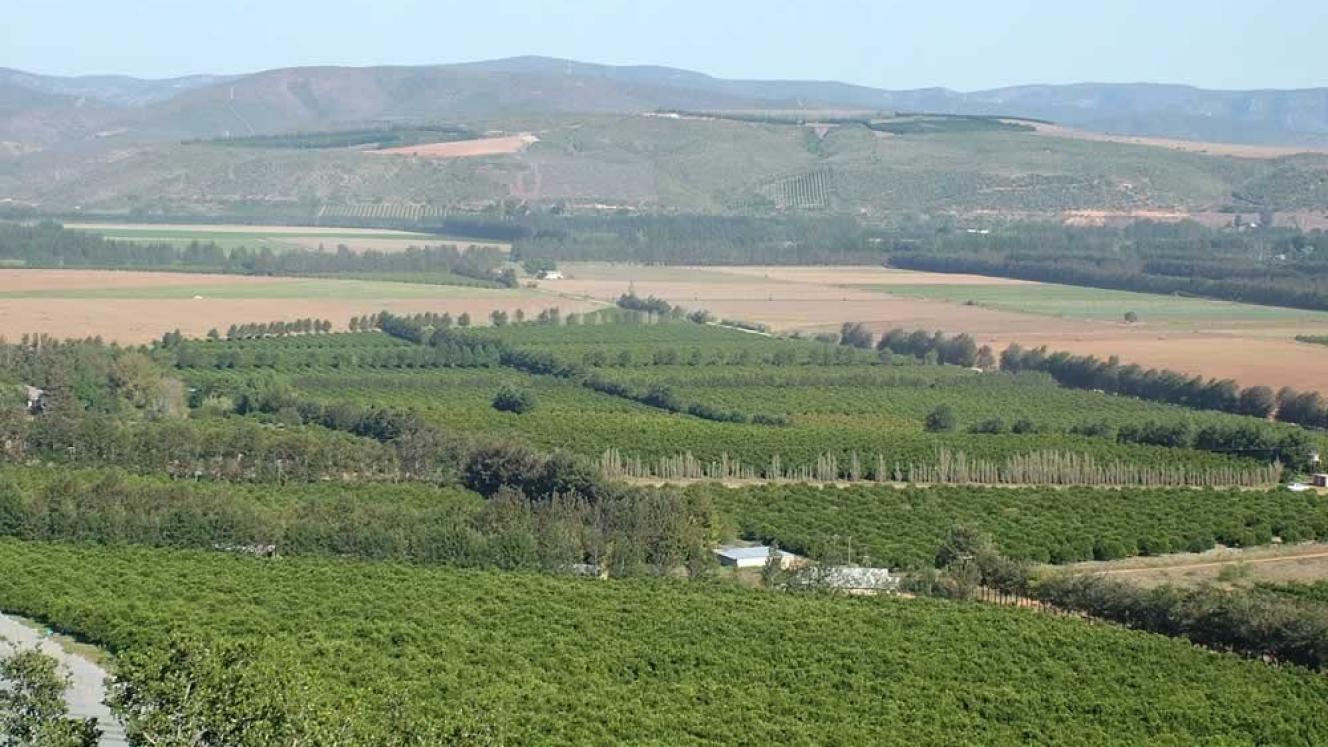
The most severely impacted area appears to be the Kouga Municipality in the Eastern Cape, particularly the Gamtoos Valley around Patensie.
“Early indications suggest that orchards have been flooded, with some trees uprooted, and initial estimates indicate that around 10-12% of the Gamtoos Valley crop may be affected,” Ntshabele said.
The setback comes as South Africa became the biggest citrus exporter in the world after exporting some 2.9 million tonnes of fruit during the 2025/6 season, narrowly nudging Spain from the top spot it has occupied for years.
In the Western Cape, Citrusdal and the Boland also experienced heavy rainfall.
“In Citrusdal, the rainfall was reported to be significantly higher than previous flood events. However, the extent of the damage appears to be less severe, and key infrastructure, including main access routes, has largely remained operational. This has helped ensure that the season – while delayed here by approximately a week – can recover and confidence in supply remains intact,” Ntshabele said.
He said preventative river work undertaken in recent years by the Western Cape government had played an important role in mitigating the impact.