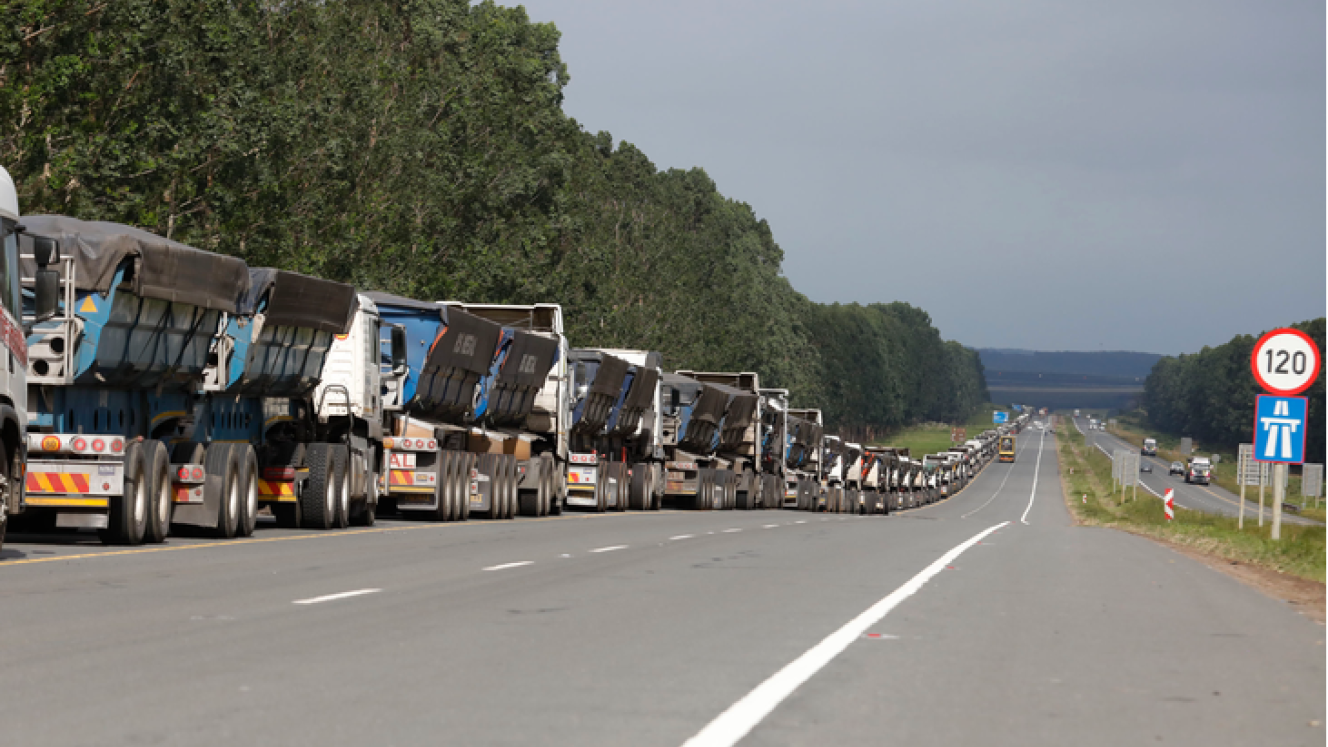
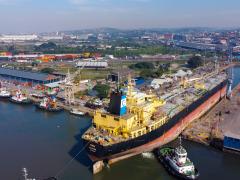
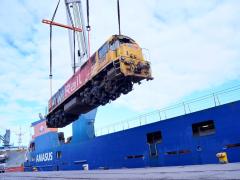
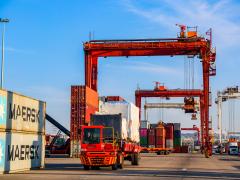
Logistics should be at the top of the priority list during the conceptual design stages of a project – but more often than not is left to the last minute. Logistics experts working in the renewable energy sector said this lack of forethought often resulted in solutions having to be found to move cargo to remote locations with hardly any infrastructure in place. “We must continue to encourage engineers to take logistics into account at the conception of a project,” said Philip Warren, managing director of African Route Clearance. “It would undoubtedly affect cost as it would take all of the aspects into consideration including the possibility of delivering cargo to a particular site.” In this regard Eskom saved its logistics team major headaches by designing tunnels at the Ingula Power Station near Ladysmith in KwaZulu- Natal around the size of the truck/trailer combination that would deliver the turbines some 1.2km underground. “The physical movement of cargo is not easy and there have been cases where an entire project has had to come to a halt due to the sheer impossibility of delivering the cargo to the final site because no-one considered the logistics,” said Warren. Francois du Toit, global discipline director: logistics for Hatch, said a collaborative approach involving all the role-players of a project – including logistics – was a far more sensible approach not only in terms of costs, but also time. “Feasibility and pre-feasibility studies for a project are vital, but that includes logistics. How feasible is it to move cargo to a site and at what cost,” he said. “Of course one understands that the quicker you get power up and running at an energy project, the quicker you get return on revenue. But one has to understand the constraints that exist from point of origin to delivery point and the impact that is going to have on a project schedule.” Du Toit said often logistics and transport of cargo was short-changed. “It will take three weeks to move cargo but one is given only two weeks to do that. This lack of understanding of the process of logistics is just not realistic.” For Du Toit and Warren successful projects take logistics into consideration as that allows for all aspects of a project to be aligned. “A collaborative approach ensures far greater levels of success because that allows the project management team to align the constraints between the various stakeholders, mitigate and identify risks, and plan accordingly,” he said. “If you plan properly, knowing what the risks are and then execute accordingly by staying within that plan, you will achieve results. Otherwise it just becomes risky, with logistics having to cut corners, and it is often just not worth the risk.” INSERT & CAPTION One has to understand the constraints that exist from point of origin to delivery point and the impact that is going to have on a project schedule. – Francois du Toit CAPTION Logistics must take centre stage in the design of a project.
Feasibility and pre-feasibility studies essential
Comments | 0
© Now Media. This content is protected by copyright and may not be adapted or republished. If you would like to discuss cooperation opportunities, please contact: editor@freightnews.co.za.