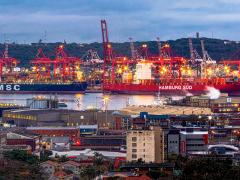
Recent legislation for dealers in second-hand goods – the Second-Hand Goods Act (2009 – will create no further delays on the trade within the industry, according to Nancy Strachan, CEO of the Recycling Association of SA (RASA). The act rules that the SA Police Services has seven days to inspect the goods on-site before they are moved. But this condition, according to Strachan, has had no adverse consequences (like those delays) so far. The legislation is groundbreaking, she added, in that it creates the ability for the metal recycling industry associations to regulate its membership in co-operation with the SAPS. “The metal recycling industry has worked closely with the SAPS, Business Against Crime (BAC) and other stakeholders in drafting the legislation.” This fear of inspection delays arose because of the stated intent of the act, which is: “To regulate the business of dealers in second-hand goods and pawnbrokers in order to combat trade in stolen goods; to promote ethical standards in the second-hand goods trade; and to provide for matters connected therewith”. And the act demands that every person who carries on a business as a dealer must be registered. The problem is that the second-hand goods industry is a prime area of investigation by the SAPS in any case related to stolen goods. “When investigating such a crime, one of the first places to look is dealers, because the vast majority of goods stolen in this country is fenced through them,” a former vice-squad contact of FTW’s said. And included in their list of fencing suspects, he added, are general dealers, auctioneers, jewellers, motor vehicle dealers, scrap metal dealers, recyclers and franchise holders. Of these, motor vehicle dealers, scrap metal dealers and recyclers are top of the list when it comes to the import or export of stolen (or otherwise illegal) property. The latter two are primarily involved in what has become a burgeoning export trade from SA, with second-hand vehicles being primary imports into SA, or through this country to other African destinations.
Fears of inspection delays allayed for second-hand goods importers
Comments | 0
© Now Media. This content is protected by copyright and may not be adapted or republished. If you would like to discuss cooperation opportunities, please contact: editor@freightnews.co.za.