A couple of ‘positive’
global trends, such
as falling oil prices
and the proliferation
of mega-ships, could have a
negative impact on local and
African markets and see an
increase in logistics costs, says
Detlev Duve, managing director
of Dachser South Africa.
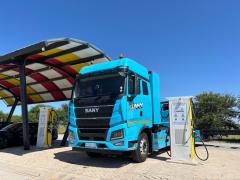
“While the falling price of oil
has enabled international freight
movements to become cheaper, in
reality this will
put a dampener
on nearsourcing,
which
has been gaining
momentum in
local markets,”
he explains.
This means
that local
logistics
companies
should
anticipate some reduction in the
local activity that resulted from
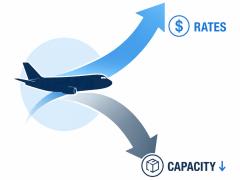
this trend. The upside is that air
cargo volumes may increase.
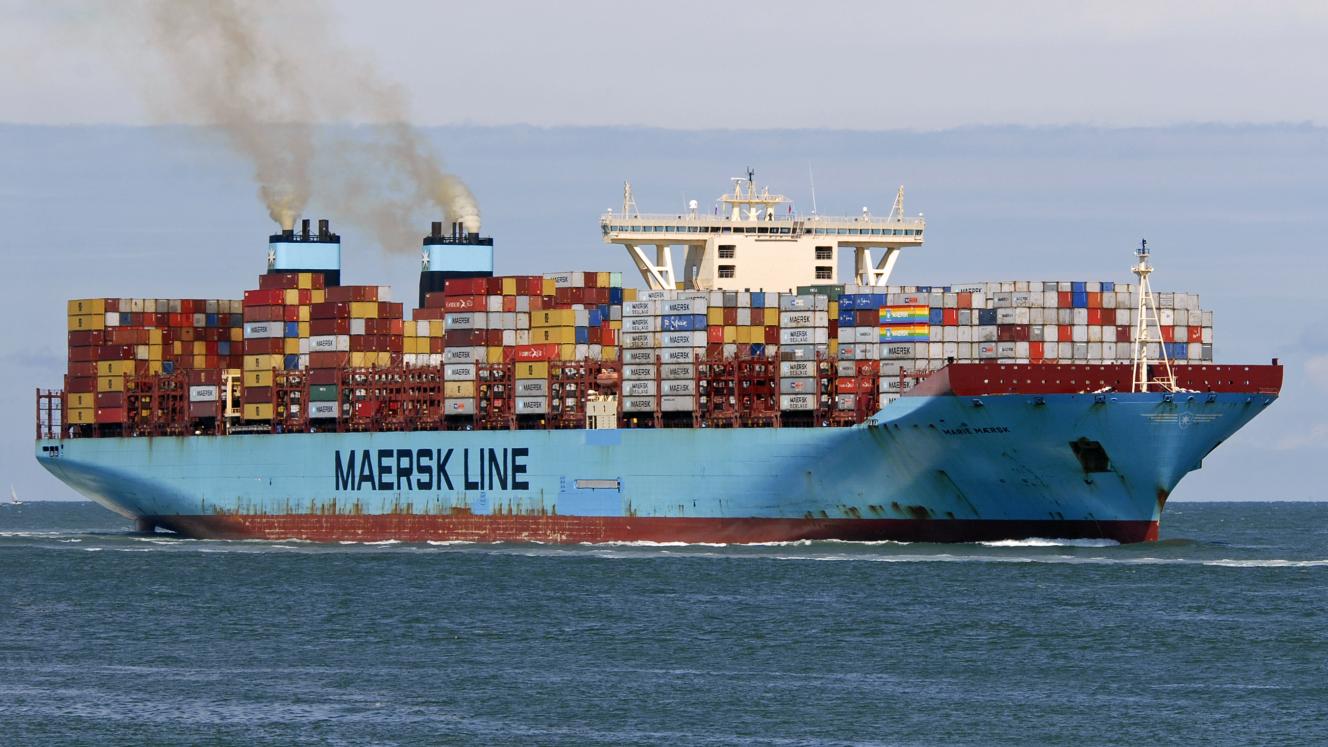
Duve adds that there have
been global savings as massive
vessels – such as the 18 000- and
20 000-TEU ships – become
increasingly more common.
“This affords manufacturers
and retailers a
lower unit cost
when moving
goods around
the world. But
only a small
percentage of
ports are able
to support
ships of this
magnitude, and
this will mean a
reduction in the
number of direct calls,” he says.
As a result, emerging
markets, where the ports are
consistently smaller, could well
see an increase in shipping
costs. Issues like ongoing geopolitical
instability continue to
pose higher risks for logistics
companies operating in
emerging markets.
“Emerging markets are,
however, opportunity-rich, so it
is crucial for logistics companies
to look strategically at how to
develop their partnerships and
networks to these regions,”
comments Duve.
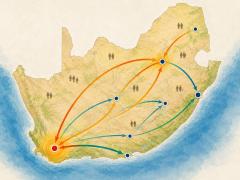
He says Dachser
South Africa is able
to mitigate a number
of risks when
transporting goods
into the continent
through a
strongly forged
network that
extends into
emerging
markets.
INSERT & CAPTION
Emerging markets, where
the ports are consistently
smaller, could well see an
increase in shipping costs.
– Detlev Duve
Falling OIL price impacts near-sourcing trend
Comments | 0
© Now Media. This content is protected by copyright and may not be adapted or republished. If you would like to discuss cooperation opportunities, please contact: editor@freightnews.co.za.