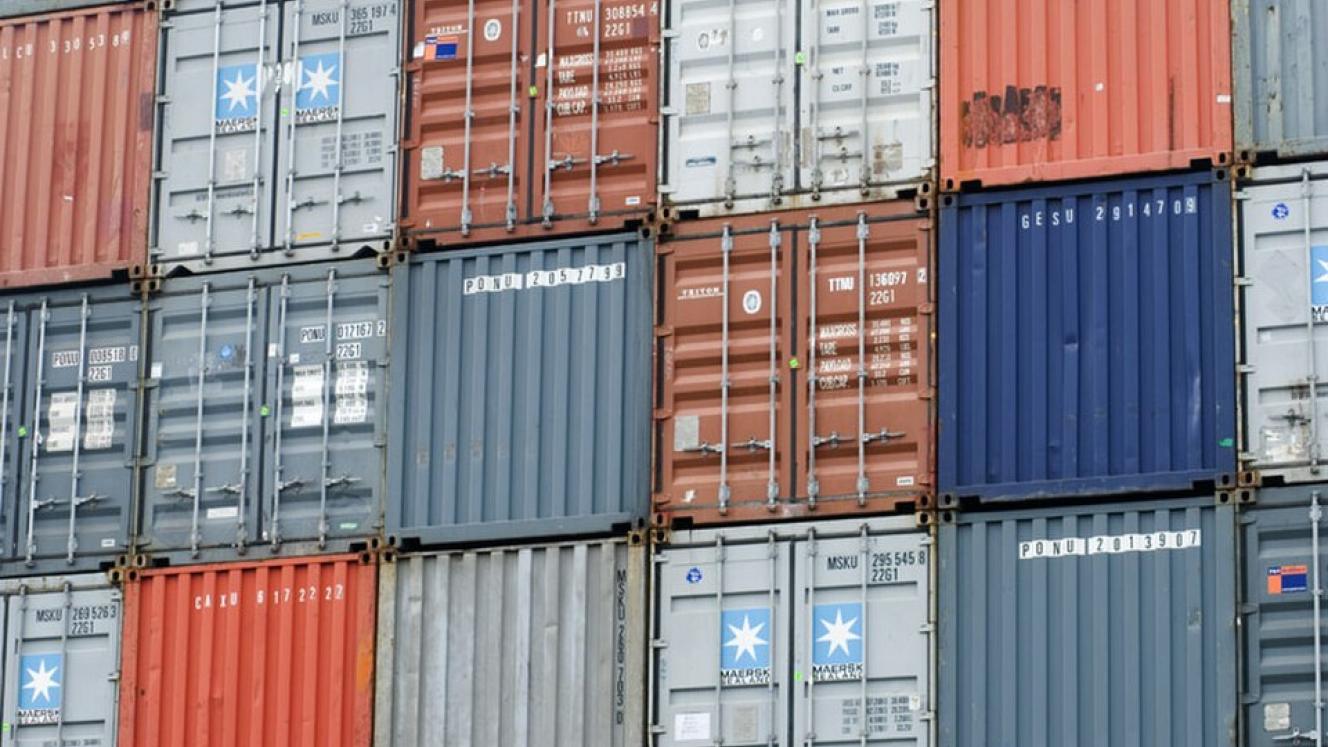
Expansion in Africa is currently a main aim for global supply chain specialist UPS, with plans to spread its network of operations, agents and authorised service contractors throughout the continent. It already has a solid footprint in Africa – including Namibia in the southwest, Reunion in the south-east, Morocco in the north-west and Djibouti and Egypt in the north-east. “Our interest in Africa is very similar to our customers elsewhere in the world,” said Paul Horsfall, MD of UPS-SCS in South Africa. “Even though there are serious challenges related to poor transport infrastructure in various countries, we are dedicated to overcoming these difficulties by working closely with government departments and border patrols.” Among the drawbacks that need to be overcome are various political, geographical and governmental restrictions tending to limit the coverage areas. An example, according to Horsfall, is Angola. “It is a fast growing market and the possibilities to expand are exponential,” he told FTW. “But, although the Angolan government is doing its utmost to upgrade the roads, the congestion of the shipping ports in the country limits UPS’s ability to increase the level of service already in existence. It is crucial that we train and support our partners in these countries to overcome the challenges and uphold the quality and standard that UPS has worked so hard to build.” International aid to developing African nations is another area of focus for UPS, rated the world’s largest package delivery company. “The international aid agencies, with their time-sensitive materials, find us a reliable partner which understands their needs and has a strategic network across Africa to support their programmes,” said Horsfall – highlighting as an example a recent US$50-billion deal with a well established pharmaceutical company to deliver much needed antiretroviral drugs (ARV) to various African countries. Transporting these ARVs is not as simple as one might believe, according to Horsfall, as the cargo must be kept below a temperature of 35 degrees Celsius. “Africa’s extreme temperatures create a constant challenge to control the temperature inside a metal container,” he said. “Unexpected delays at the border post, and offloading and security issues at shipping ports also have a major effect on the turnover times and service delivery.” Hijacking and theft of medical supplies also constitute a major problem. To combat this, a UPS answer is that stringent security measures must be implemented when delivering these sensitive materials – and the company needs to work in close partnership with its agents in all African countries to ensure that sensitive cargoes, such as ARVs, are delivered to those departments responsible for distributing them to the public. “However, it doesn’t matter what the size, shape or value of the package we are commissioned to deliver,” said Horsfall. “We will take every step necessary to ensure that it reaches its destination. “We are correctly equipped to ensure the safety and timeous delivery of each package entrusted to us.”
Expansion in Africa is top of UPS agenda
Comments | 0
© Now Media. This content is protected by copyright and may not be adapted or republished. If you would like to discuss cooperation opportunities, please contact: editor@freightnews.co.za.