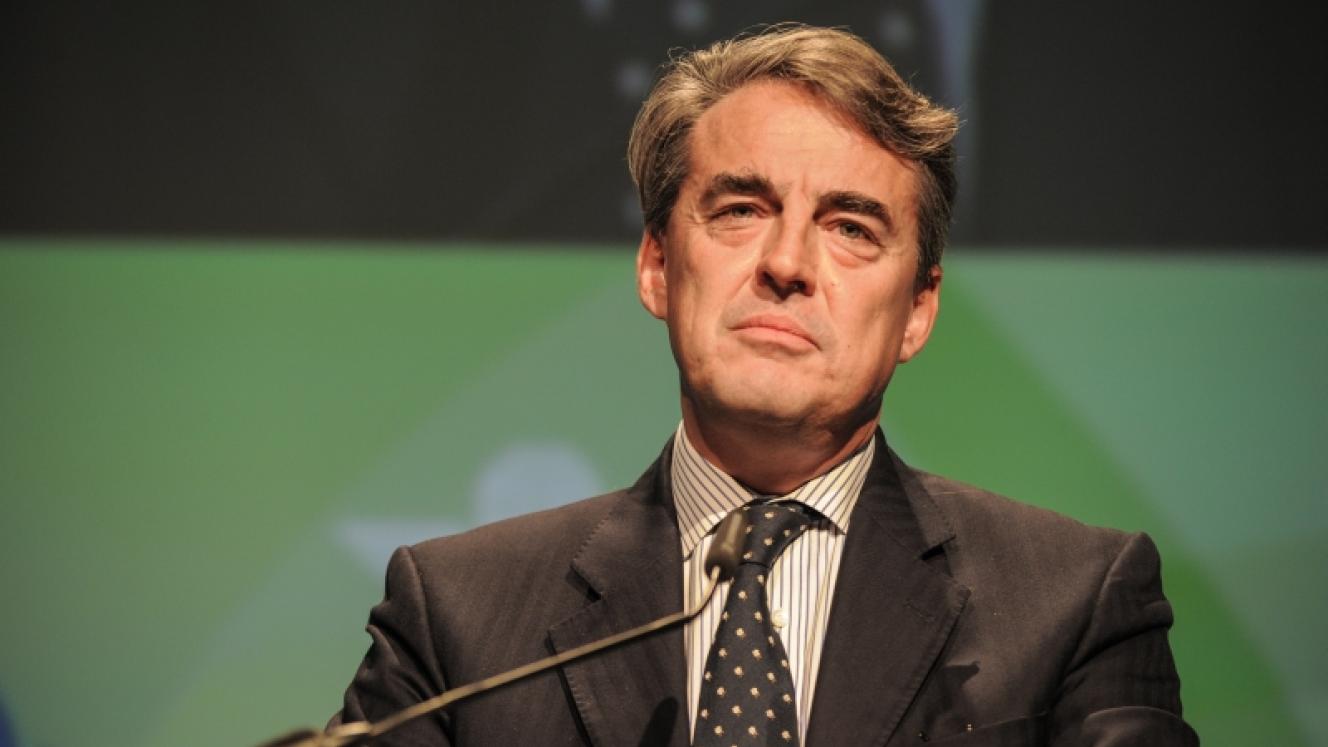
The International Air Transport Association (Iata) yesterday called on European governments and air navigation service providers (ANSPs) to address airspace bottlenecks.
This as recent data from the European Organisation for the Safety of Air Navigation, Eurocontrol, showed that delays so far this year had more than doubled to 47 000 minutes per day compared to 2017 – an increase of 133%.
According to Iata director general and CEO, Alexandre de Juniac, this was largely due to staffing and capacity shortages, weather delays and disruptive events such as strikes.
Additionally, he noted that the rise in air traffic – resulting in greater demands on the continent’s airspace – had played a part in the increase in delays. However, De Juniac pointed out that with the rise in air traffic came a rise in revenue for European ANSPs which they did not use to invest in staff in order to address the challenges that were causing delays.
Eurocontrol data showed that the average delay to flights in July was 20 minutes, while the longest delay reached 337 minutes.
“There is no quick fix for this year, but the needed solutions are well known,” said De Juniac. “With the correct investment and planning by governments and ANSPs we can, and must, make next year better.”
Iata laid out a four-point plan to address the increased challenges in Europe’s airspace.
This includes the modernising of infrastructure, reformation of outdated work practices so staff are deployed when required, and the empowerment of the European Network Manager to configure the network to meet the demands of air travellers. Lastly, Iata suggested that meaningful penalties be doled out to ANSPs if they did not deliver on agreed capacity.