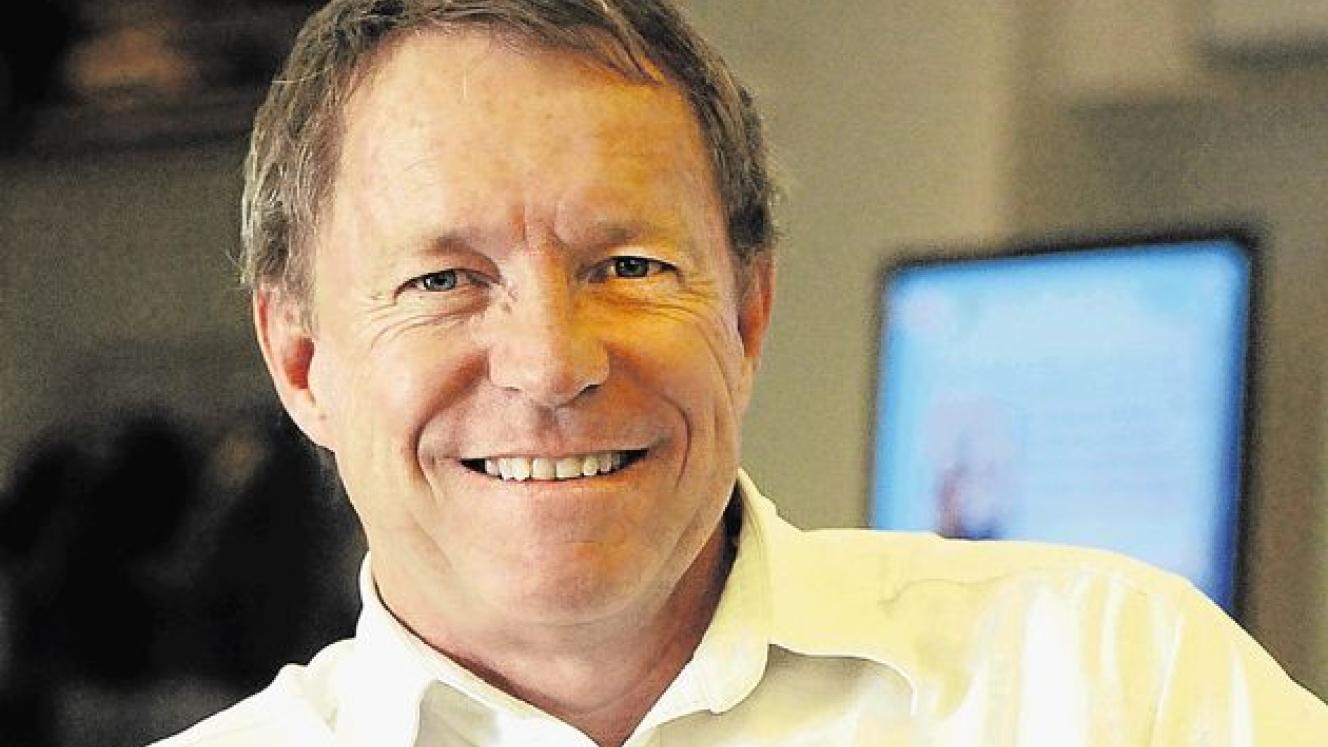
As South African business braces itself for another potential electricity tariff hike, economist Dawie Roodt has warned that the country could be in the grip of a recession by mid-2016.
He told FTW Online that in addition to the other stress factors currently affecting the economy – including the fall-out from the drought and the weakening rand – another power tariff hike could be the proverbial straw that breaks the camel’s back.
The National Energy Regulator of South Africa (Nersa) began its public hearings on Monday as part of Eskom’s application to recover an additional R22.8bn by introducing another electricity tariff increase. If the tariff increase is approved, all cities in South Africa will see a 16% increase in July this year.
Roodt told FTW Online that neither Nersa nor Eskom had the knowledge and foresight to predict market behaviour and thus set a percentage tariff increase.
“Market conditions are subject to sudden and unexpected changes and tariff increases would therefore need to adapt to those changes. It is futile to determine an increase based on an artificial environment and it could lead to dangerous consequences for the economy,” commented Roodt.
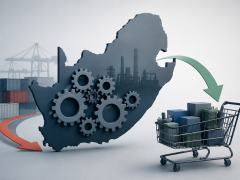
According to him, this increase would further add to South Africa’s economic woes, as the country could lose billions due to even more depressed manufacturing output.
Adviser to the Department of Trade and Industry’s Automotive Production and Development Programme, Roger Pitot, agrees with Roodt’s assessment. He was quoted by business publication, Fin24, as saying: “Electricity users, and particularly business and industry, will further reduce their usage of power as encouraged by Eskom - and as prices escalate, create a vicious circle of lower revenue, surplus capacity and ongoing requests for price increases by Eskom.”
Pitot believes this will lead to a further reduction of investment and employment in the industry. "Eskom simply does not support an industry which increasingly needs to be globally competitive," he said, adding that the automotive component industry competed globally against many low-cost countries. “Vehicle manufacturers refuse to pay any price increases as they can import components as a more cost-effective alternative.”
The Nersa hearings are expected to conclude on February 5.