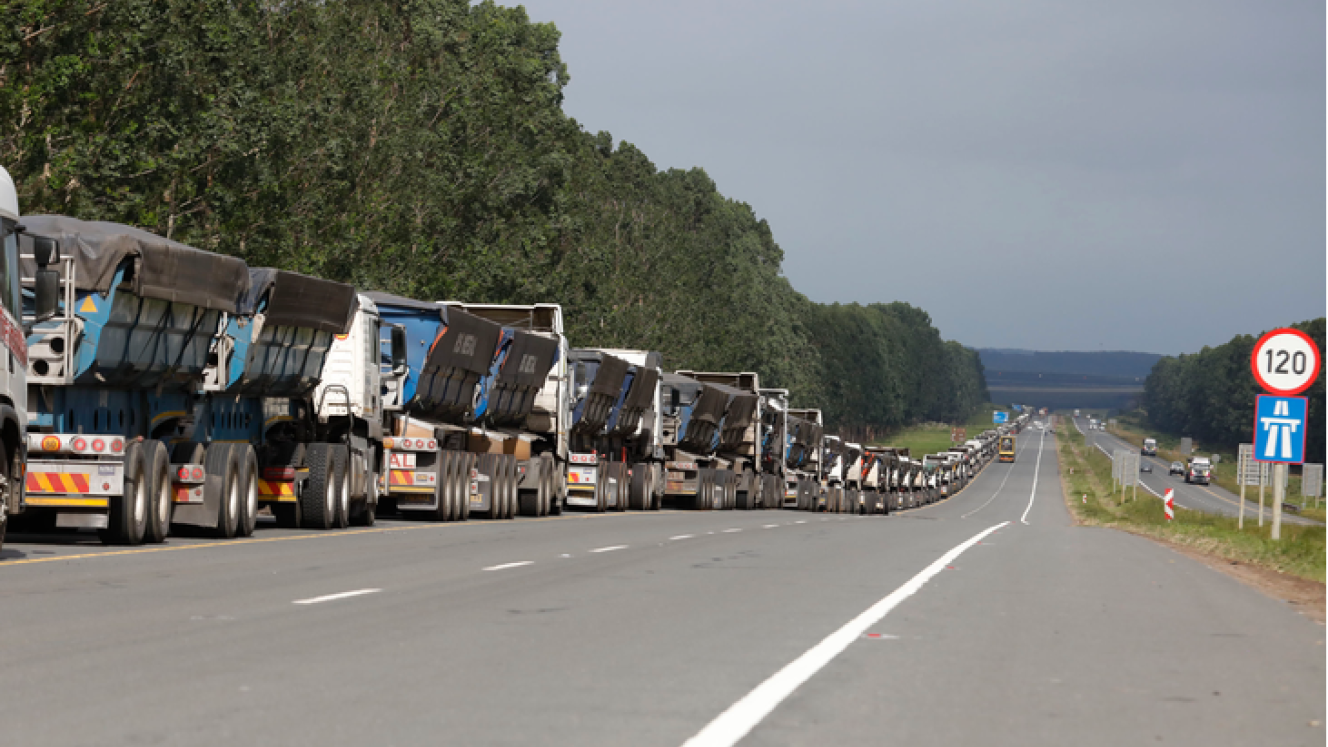
South Africa is fast losing its ferrochrome export market to China as the cost and shortage of electricity take their toll on volumes. “It is a serious indictment against the government and Eskom that this has been allowed to happen,” an industry commentator told FTW. “While government is busy demanding beneficiation to create value and jobs, Eskom is even more busy hiking electricity rates – and not being able to supply sufficient power anyway,” he said. “One unfortunate net result is that we have sold chrome ore cheaply to China – and, as a result, they have stepped in and taken our market.” Our source pointed to data just released by SA Revenue Service (Sars) which highlighted the major impact of SA’s power shortages through the Eskom buy-back of electricity from SA ferrochrome producers. The total export tonnage of (beneficiated) ferrochrome in 2012 fell 14.8% – from 3.16 million tonnes (mt) to 2.69mt. “The massive declines, however,” he added, “came in SA’s traditional markets of China, Japan, Korea and Taiwan – with large reductions to all as SA smelters reduced local production on the Eskom buy-back.” He noted that, as SA smelters shut down, this did not reduce Chinese demand for ferrochrome as Chinese smelting continued to increase. There was, therefore, a continued demand for chrome ore – a resource China does not have locally. China’s overall ferrochrome demand (for stainless steel) was approximately 4.4mt in 2012 and only 1.5mt was imported. “This,” he told FTW, “as China reached similar levels of ferrochrome production to SA, and will likely become the world’s number one producer from 2013. “In simple terms this is a massive beneficiation switch from SA ferrochrome production to Chinese ferrochrome production – and flies in the face of the SA government plans to increase beneficiation.” The labour-intensity of the two products – raw ore and beneficiated ferrochrome – reveals the job cuts that accompany a swing away from SA ferrochrome. According to our source, ferrochrome production requires seven people per tonne, compared to only one person for a single tonne of chrome ore. SA is China’s largest supplier of chrome ore (4.5mt) at a reduced market level of US$180/185 per tonne. “This, therefore, presents a poor economic scenario, and more so given that SA holds approximately 80% of the world’s reserves of this product. How this will develop in coming years is difficult to predict but it is a clear example of how not to control and manage a strategic resource.” What does this mean for container volumes? In short, good volume continues to move from both sectors, FTW was told. “But, given the low level of the chrome ore price – due to price control by a market that does not have the resource – this creates a low per-container price demand on a non-dominant, eastbound trade lane. “A short-term resolution of cutting supply of chrome ore, and/or export tax, would potentially increase the value chain – if it was coupled with increased ferrochrome production through a cheaper and more available electricity supply. “It is unfortunate, however, that a tipping point has already been reached, and a recovery of the previous market structure is unlikely to return,” he said. CAPTION China will likely become the world’s number one ferrochrome producer this year.
Eskom sabotages SA's ferrochrome export industry
Comments | 0
© Now Media. This content is protected by copyright and may not be adapted or republished. If you would like to discuss cooperation opportunities, please contact: editor@freightnews.co.za.