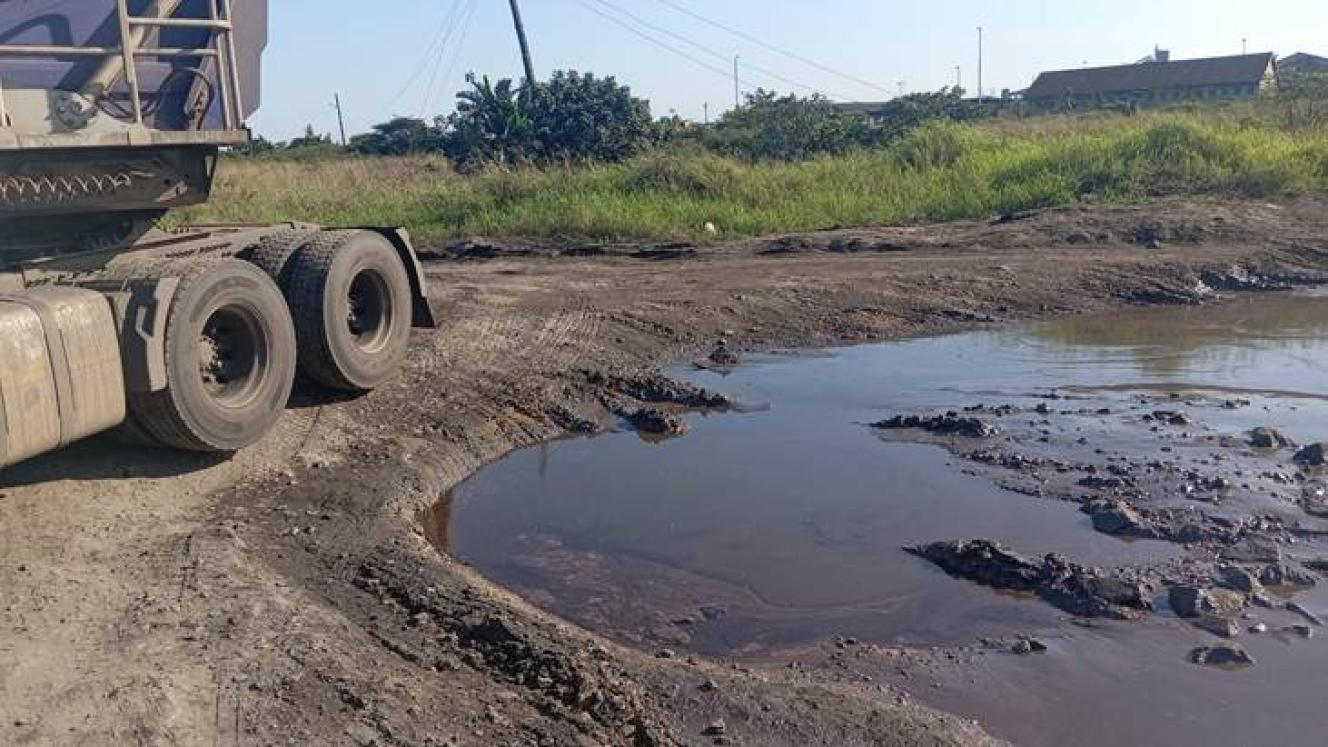
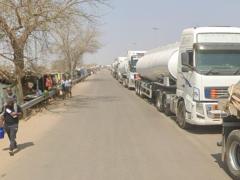
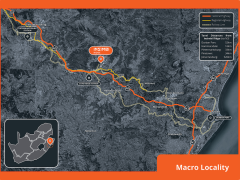
Eskom is committed to reducing the movement of its coal on South Africa’s roads dramatically in the next five years. According to Suzanne Daniels, the parastatal currently moves about 33 million tons of coal per annum by road to supply some six power stations in the country. “We have committed to a migration strategy that will see less than six million tons being moved by road by no later than 2018.” Speaking at the Transport Forum in Johannesburg last week, Daniels said it was extremely important for Eskom to move to a rail programme. “Some 1100 trips are undertaken every day by a fleet of 1086 trucks. We plan to reduce the number of trucks to around 600 as the majority of coal must be on rail by 2018.” She said in October the Camden power station in Mpumalanga, which has exclusively been receiving coal by road, saw its first train load arrive proving that the strategy was not just on track but that the power utility had committed to the project. “We have involved Transnet Freight Rail extensively in this programme. The Treasury has committed money to the migration programme on condition that Eskom and TFR sign a formal agreement that will see the migration strategy successfully implemented.” Daniels said the longterm strategy to address the movement of coal to power stations in the country was first approved in 2008 when it was identified that rail would be the solution. Since then the Road to Rail Migration Strategy has been drawn up. This document highlights exactly how Eskom plans to reduce the movement of 33 million tons of coal to some 6 million per year. “We know that we have some challenges to still overcome and that it will take time, but this is no longer a choice. If we continue to use road the cost will just be too high to sustain.” She said with poor road infrastructure the coal haulage network of some 1400km of road is in need of upgrading. “Should a damaged road be left for five years or longer it costs some 18 times more to repair it. The decision to use rail really comes down to the fact that it costs more to move by road and therefore costs more to produce power and therefore the consumer pays more for electricity.” She said road transporters were very much involved in the programme along with all the affected communities in an effort to ensure that people are ready for the move when it comes and not caught off guard and left without employment or an income.
Eskom commits to rail migration strategy
Comments | 0
© Now Media. This content is protected by copyright and may not be adapted or republished. If you would like to discuss cooperation opportunities, please contact: editor@freightnews.co.za.