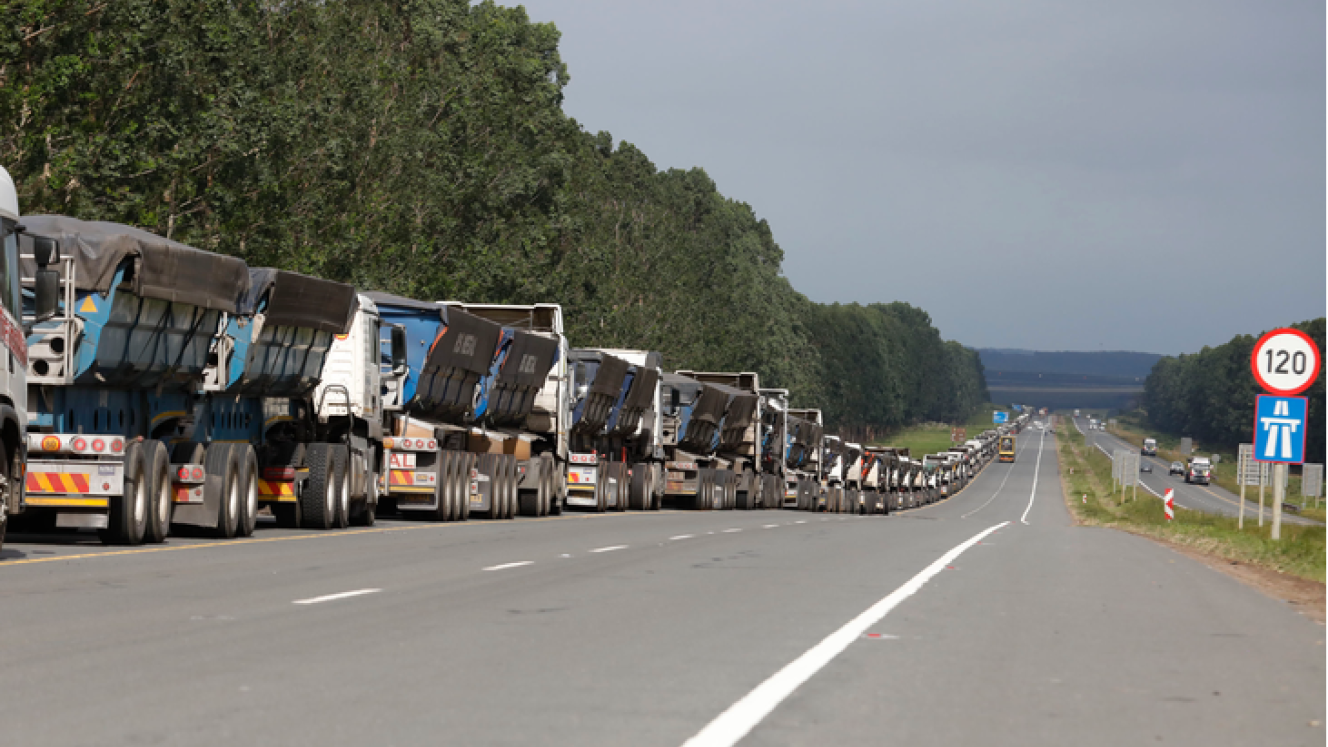
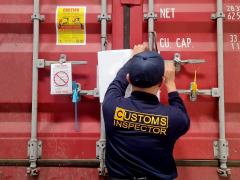
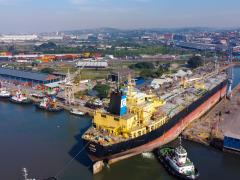
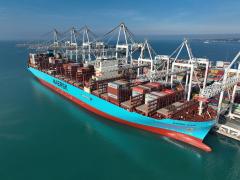
Efficient and cost-effective logistics systems are seen by the East London Industrial Development Zone as key to attracting and retaining investors. “While logistics are wholly peripheral to our investors’ core business models, this is an area of critical importance in ensuring sustainability and growth. Transport, for example, forms the backbone of any organisation’s commercialisation strategies, with getting product to market the most obvious and most important priority,” says the annual report. And the IDZ is not afraid to take tough decisions. We have had to critically engage with the logistics facility in our Automotive Supply Park (ASP) which, after careful scrutiny, was found to have significant scope for service delivery enhancements due to unanticipated critical mass impacts. “We therefore had to re-imagine this facility for present-day conditions, which has resulted in asubstantial redesign of how it operates, and how it maximises its potential as a true value-add for our ASP tenants,” says the report. Home to just one logistics company in 2006, the ELIDZ now has six. “Some of the fastest growing sectors in the East London IDZ are logistics and ICT, which was boosted by three new investors last year: Bigfoot, MSC and DHL, with the latter due to become operational soon,” says the report. A truck staging area has also been established in the zone in order to minimise transport costs. The ELIDZ says its “post-settlement commitment to investors is to assist in whatever way possible to drive down their costs of doing business, improve productivity and efficiency and, in doing so, protect our investors’ basic bottom lines”. Further efficiencies will be introduced with the creation of a customs zone within the ELIDZ. There is an “emerging partnership with Sars’ customs and excise unit in designing customs control areas,” says chief executive Simphiwe Kondlo. In order to stay “one step ahead of the vibrant innovations demanded of our growth sectors and incubator industries, the IDZ is realigning itself as one of the key drivers of an emerging Eastern Cape knowledge economy. “The importance of this tactical realignment cannot be over-emphasised,” he said.
ELIDZ prioritises logistics
Comments | 0
© Now Media. This content is protected by copyright and may not be adapted or republished. If you would like to discuss cooperation opportunities, please contact: editor@freightnews.co.za.