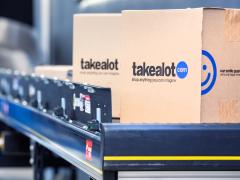
The growing global crossborder e-commerce market is driving up LCL volumes. According to a report by US-based Research and Markets, there has been a significant increase in global cross-border e-commerce trade. This, said the report, was likely to influence the seafreight forwarding market positively, with expectations that it would register a compound annual growth rate of close to 3% by 2022. In emerging markets in particular the rising purchasing power of consumers was set to contribute to higher LCL volumes.
Whilst this is not yet evident in the local market, most groupage operators contacted by FTW said that while volumes had been lower than expected for the first few months in 2019, they were optimistic about the outlook of the sector. According to David Alexander, general manager at Professional Aviation Services, the growth average of e-commerce is around 16%. “It is also no longer restricted to people who have access to a computer. In fact, the fastest growing section of e-commerce is mobile phone use.” And the consumers are wanting delivery as soon as
possible – no matter where they are in the world. “Not only are we going to see more consolidated cargo, but we are going to have to come up with solutions as to how we address safety in the supply chain as this cargo is coming in and moving out faster than ever before.” It was a global challenge, said Alexander. “Especially when it comes to dangerous goods there is a very real need to develop systems to identify and deal with this cargo long before it gets to the picking and packing stage, because by then you simply cannot do it anymore.” Increased efficiency in the supply chain is another reason why LCL demand is rising. As technology optimises cargo flows and more trade lanes become available, more consumers can order more products more frequently. Logistics expert Professor Jan Havenga of the University of Stellenbosch
said excessive choice was another driving force in higher volumes. “With more choices of products available, more people are buying
more products which in turn requires more transport and higher inventory costs. It is one of the driving forces in the higher logistics costs we are seeing.”
CAPTION: Not only are we going to see more consolidated cargo, but we are going to have to come up with solutions as to how we address safety in the supply chain. – David Alexander