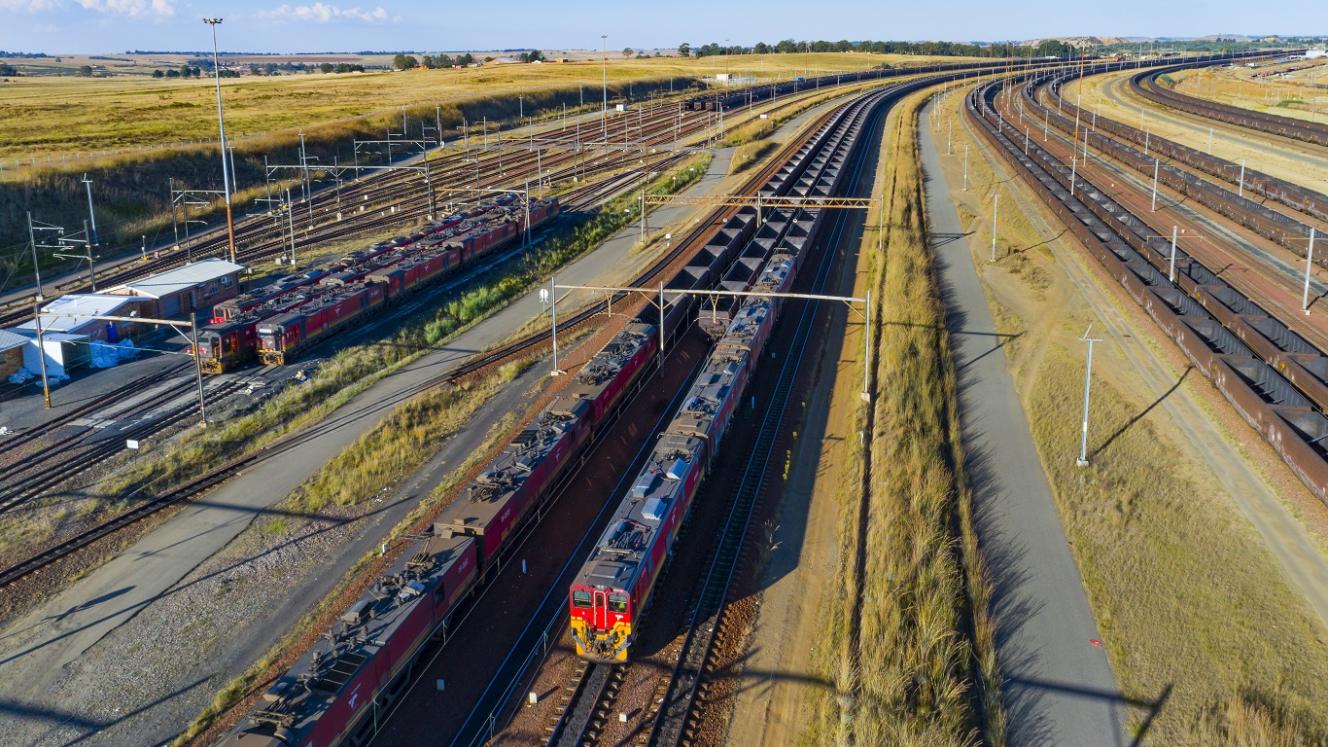
As the new open booking system at Durban’s roll-on, roll-off (ro-ro) terminal reaches the final week of its pilot test phase, the verdict from terminal users and terminal operators, Transnet Port Terminals (TPT), appears to be a resounding thumbs-up. The terminal has seen promising results in the form of improved efficiencies, higher utilisation of assets and better cargo fluidity, according to Zeph Ndlovu, TPT’s terminal executive, Durban RoRo and Maydon Wharf Terminal. It took a lengthy battle by terminal users to get the open booking system adopted by TPT because the previous fixed-time booking system had proved so bad at peak collection hours that it eventually led to threats of a complete boycott of the ro-ro terminal. But, after a TPT management team finally got together on the issue, and a good line of communication got going, the hybrid truck booking system was introduced on February 20 as a pilot scheme for breakbulk cargo owners and transporters. The new system adopted a flexible approach for transporters calling at the terminal, with a ‘first come first served’ approach between the peak 10:00 to 22:00 shifts. However, during the under-utilised night shift (22:00 to 06:00), as well as weekends and public holidays, the prebooked time-slot system still applies. A performance comparison was drawn by TPT between the period two weeks prior to the implementation of the open booking system with results two weeks postimplementation to analyse the effectiveness of the hybrid system. Results showed that overall landside throughput increased by approximately 45% compared to the old booking system. Two weeks post-implementation, excess handling capacity averaged 11.5% above demand, compared to 2% with the old booking system. TPT largely attributed this improvement to better equipment availability, proactive calling of trucks to available resources, streamlined inductions, permit processes and the introduction of the new hybrid booking system. The factors that TPT identified as continuing to impact on truck turnaround time at the terminal were: The “slow and careful” loading of project cargo, vessel bunching and the under-utilisation of the graveyard shift (22:00 to 06:00) by transporters. Said Ndlovu: “Against these positive results, made possible by co-operative partnership with our stakeholders, the hybrid system will continue to be measured over the duration of the trial period to establish continuous improvements in the supply chain.” The pilot period concludes at the end of this month (March). Talking for the users, Carl Webb, MD of Project Logistics Management and representative of the SA Association of Freight Forwarders (Saaff) and the Road Freight Association (RFA), said that the open booking system had proved a success. “It’s working well for all the parties concerned,” he added. “The lesson from the initial trial run was that, the earlier you get vehicles in, then the quicker you get out. “There’s still a bottleneck between 14:00 and 20:00. But there always will be because that’s when vehicles incoming from the Reef get clear of their downloads at the container terminal – where there’s a three-to-four hour throughput time from gate-in to gate-out.” But, he added, the road transporters were busy getting their schedule planning organised to try to get through the container terminal earlier. “They will do everything possible to achieve this.”
Durban’s hybrid ro-ro booking system drives up efficiencies
Comments | 0
© Now Media. This content is protected by copyright and may not be adapted or republished. If you would like to discuss cooperation opportunities, please contact: editor@freightnews.co.za.