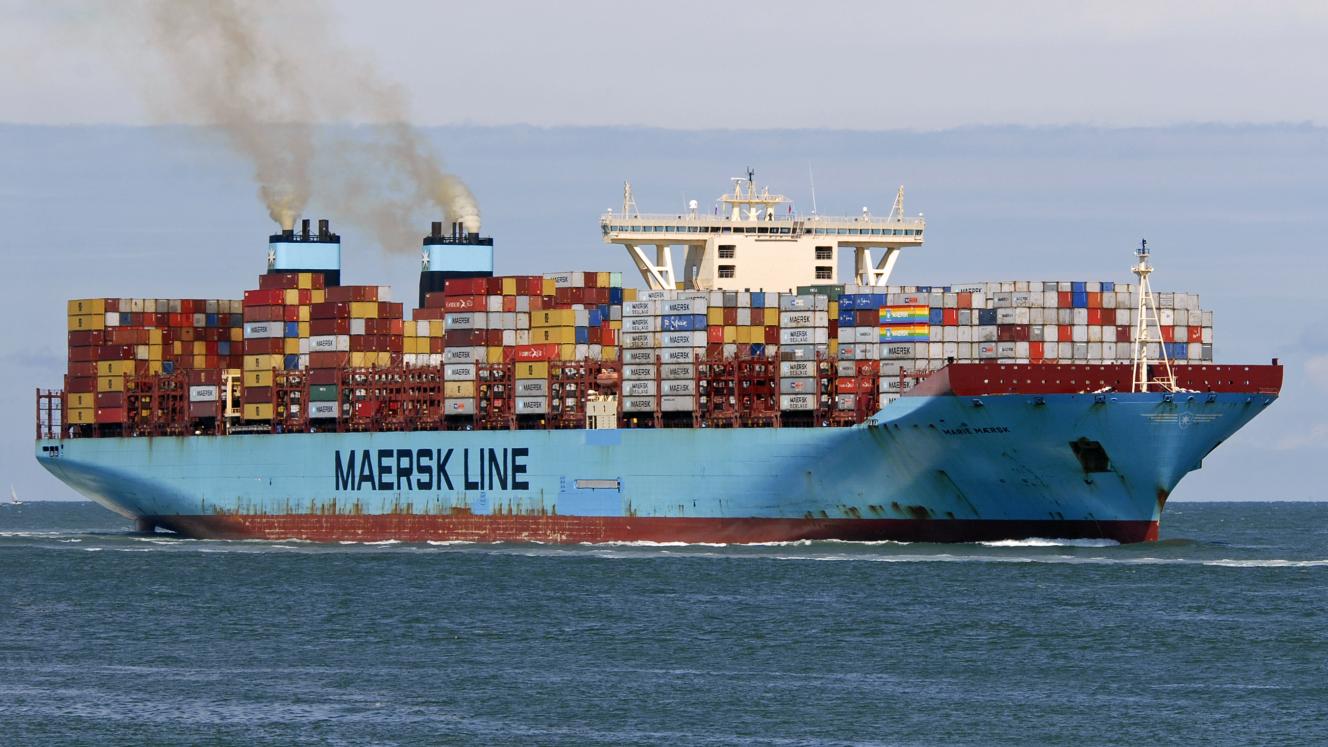
Although competition is fierce from competitor ports that are trying to chip away the Port of Durban’s market share, Africa’s biggest harbour still has an edge over its northern rivals. Speaking to FTW from Ghana, supply chain specialist Luigi Serafino said congestion was still a problem in ports that would presumably benefit from China’s Belt and Road Initiative the (BRI) from which Durban is largely excluded. Although being too far south to be included in the BRI, and despite China’s placatory affirmations to the contrary, “South Africa’s processes are still far more effective (than other African countries)” to be worried about non-inclusion. Serafino, whose company CNR Logistics is involved in consultative work across the continent, added that “it takes 15 days for a container to be cleared in the Port of Dar es Salaam. In Durban it takes three days.” Elaborating on the perceived threat that Tanzania’s capital poses to Durban because of its proximity to the Democratic Republic of Congo (DRC), Serafino stressed that “it’s not just about distance. It’s about everything else that’s connected to the entire supply chain system.” He said that because Tanzania’s hinterland network required extensive upgrading and infrastructural investment, the Port of Durban would remain a preferred port for the north-south route because of a better balance between the fast and effective handling of cargo, and because of a better road network between the Copper Belt and Durban. “If distance was the only denominator, freight from the DRC could even go to Lobito (Angola).” Ultimately it comes down to hinterland linkages which, Serafino said, weren’t up to muster in many instances. In this respect he mentioned Kenya, even though a lot is happening in ports like Lamu and Mombasa. He added that Namibia was in the same position, with reports of the Port of Walvis Bay being bolstered by an improved hinterland link via Grootfontein being premature. “Ports have to look very carefully at their supply chain partners. They need to pick the right companies because increased port capacity will ultimately be driven by improved hinterland capability, in which case South Africa still leads the way.”
CAPTION
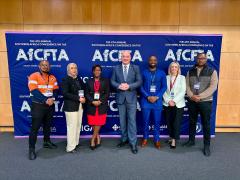
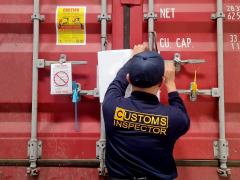
Increased port capacity will ultimately be driven by improved hinterland capability. – Luigi Serafino