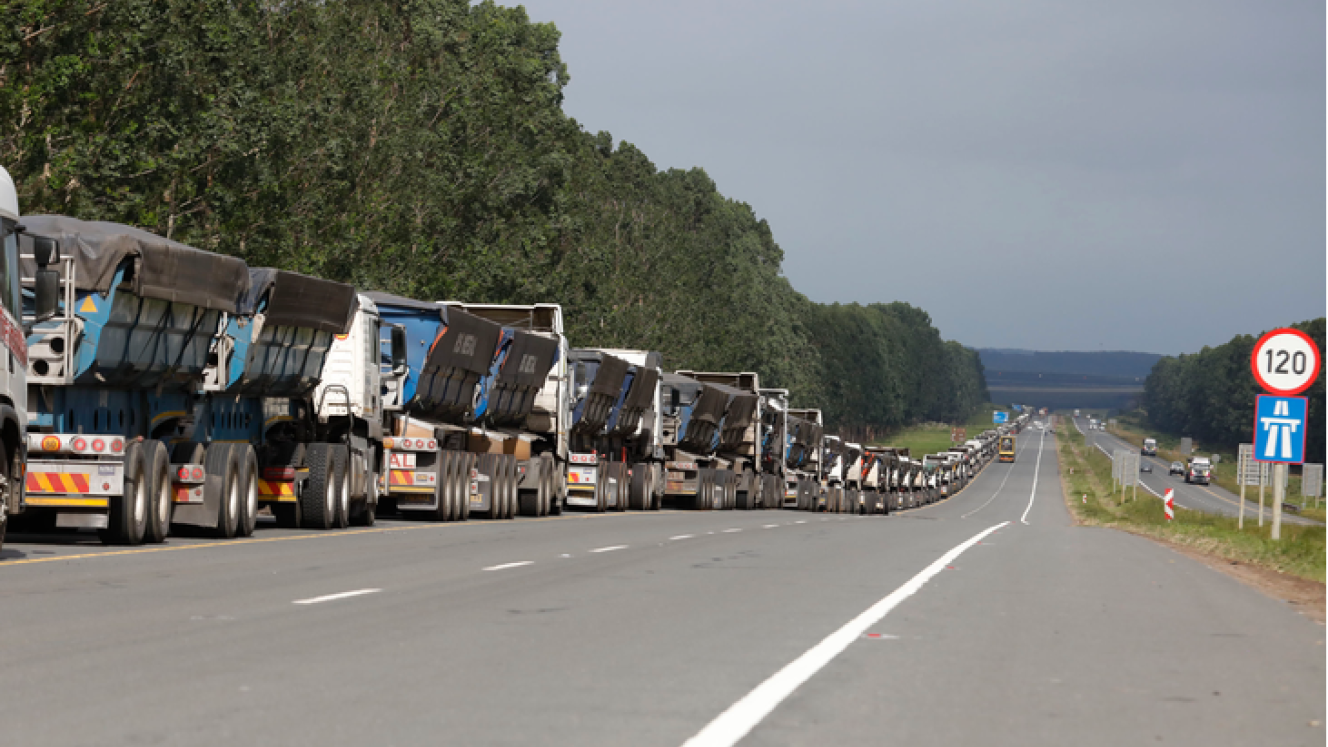
Fuelled by exports, Durban’s economic growth is likely to continue to slightly outstrip national growth in 2014, but negative factors such as low business confidence levels and capacity constraints are hampering any real upswing. This is the view of KZN Treasury economist Clive Coetzee who said he expected the city and province’s GDP to average around 2% for 2014 driven by the high demand for exports moving through the country’s largest port. Coetzee said KZN had grown at a rate of 2.06% in 2013, slightly above the national GDP of 1.9%, a trend he believes will continue. “Growing at 2% there can only be hope for growth, and the good news is that we are at the bottom,” Coetzee said. “The Durban economy is linked to what has happened nationally and internationally, and the good news is that things are definitely starting to get better. We are starting to see pre-financial growth rates in traditional economies of America, Germany, the UK, France and Canada. Those economies are all at pre-financial crisis levels or close,” Coetzee said. He said high demand for services like warehousing, transport and logistics was driven by international exports, although the province itself had low export levels. “When the international economy performs well, Durban performs well,” Coetzee said. However, domestic factors such as electricity costs, municipal inefficiencies, insufficient infrastructure, labour disputes, and low business confidence were “bottlenecks” to provincial growth, he added. “The bottom line is the whole economy should be focused around the facilitation of exports for KZN – our harbours, roads, warehouse facilities and import and export clearing facilities need to grow and they are not growing at a fast enough rate. Supply is running much faster than demand,” Coetzee said. He expects Durban to grow by 2% for the next two to three years. According to the lastest KZN business barometer compiled by economist Mike Schüssler, the transport and communication sector has grown by 7.3%, although arrivals at King Shaka International Airport were down 2.2% year-on-year in February. Mortgages showed growth of 1.9%, pointing to hope for the property sector, while construction grew 1.3% and manufacturing declined 1%. Vehicle sales were up 8.5%. The KwaZulu-Natal trade index grew 4.4% supported by a small increase in retail sales, but the big boost came from the 7.1% increase in wholesale, which showed wholesalers were building inventory to hedge against inflation, the report said. Durban Chamber of Commerce and Industry CEO Andrew Layman said Durban’s growth was parallel to provincial growth, which revealed that manufacturing was not faring well, while agriculture had shown the best improvement. “The political stability reflected by the recent election will put minds at rest although there will be concern among business and investors about the EFF’s strong showing,” Layman said.
Durban likely to outstrip national economic growth
Comments | 0
© Now Media. This content is protected by copyright and may not be adapted or republished. If you would like to discuss cooperation opportunities, please contact: editor@freightnews.co.za.