While recent news about the
dredging of shallow berths at
the Durban port was greeted
with loud applause, industry
insiders have pointed out that
it doesn’t tell the whole story.
And at the bottom of it all
is the worrying fact that the
shallow berths issue is costing
the carriers – and hence their
importer/exporter client base
and ultimately the consumers
– a barrow-load of money.
The recent TNPA press
release on behalf of the Port
of Durban harbour master,
Captain Alex Miya, revealed
that a number of berths
in the port were back to
their “original” permissible
draughts.
“This follows TNPA’s
ongoing efforts to address
shallow spots, exacerbated
by the size of megaships now
calling at the port,” said the
captain.
The release also quoted
Durban port manager,
Moshe Motlohi. He agreed
with the shipping lines that
were worried about putting
larger ships on the SA trades,
with full TNPA backing, and
looking for, but not gaining,
the natural economies of
scale of such vessels. Motlohi
said: “Shallower berths can
cut into the vessel payloads of
shipowners, because it means
they cannot sail into the port
with their vessels fully laden
and have to wait for high tide
to sail or berth.”
According to the latest
TNPA figures, four out of
eight container berths at
Durban Container Terminal
(DCT) – Berths 107, 200, 202
and 205 – are again at their
“original” permissible draught
of 12.2 metres.
TNPA also declared that
Berth P at the Point Terminal,
Berth MW 9 at Maydon
Wharf Terminal and bulk
Berth BCA 4 in the Island
View precinct were also back
to their permissible draughts
of 10.3m, 9.3m and 10m
respectively.
“We are also expecting
engineering sounding results
that are likely to indicate
more berths will be called
back to their permissible
draughts,” said Motlohi.
Now we come to the point
of argument from FTW
maritime contacts.
That “original” permissible
draught of 12.2m that TNPA
announced (above) related
to the container berths was,
as we reported in October
last year, actually a TNPA
reaction to the issue of three
ships having grounded or
touched bottom at different
berths or channels around
Durban harbour in just a
couple of months. A sequence
of events that was unheard
of in the recent history of
the Port of Durban, or any
port around the world, for
that matter, as was pointed
out to FTW by port users
and international master
mariners.
That reaction was to
immediately increase the
necessary keel clearance
(the distance between the
underside of a ship’s keel
and the charted sea bottom
depth) from 30 centimetres
to 60cms for all berths in the
harbour, a move that did not
please the industry.
While Berths 105-205
(both Pier 1 and Pier 2
container terminals) had a
charted depth (draught) of
12.8m, the previous 12.5m
permissible draught was
dropped to 12.2m – and
TNPA demanded a tidal entry
for any vessels over 12.2m
draught.
This is where the lines got
peeved. Even after TNPA
made a big announcement,
throwing its full support
behind the lines bringing
in bigger ships, it almost
immediately reduced the
permissible draughts at the
two container terminals by
30cms.
And then, because of
low spots at the berths –
resulting from propulsion
wash (also termed
‘scouring’) by the bigger
ships – there were, as
FTW reported in July, six
container berths all working
with reduced draughts.
These were 105 at 11.7m, 107
(11.7m), 108 (11.6m), 200
(11.7m), 204 (11.7m), 205
(11.9m).
That’s an average of
11.7m, which meant the lines
had lost another 50cm of
permissible draught, added
to the 30cm already lost a
year ago – a total of 80cm.
The thing that concerned
the shipowners was that
30cm or even 80cm doesn’t
sound like much. But,
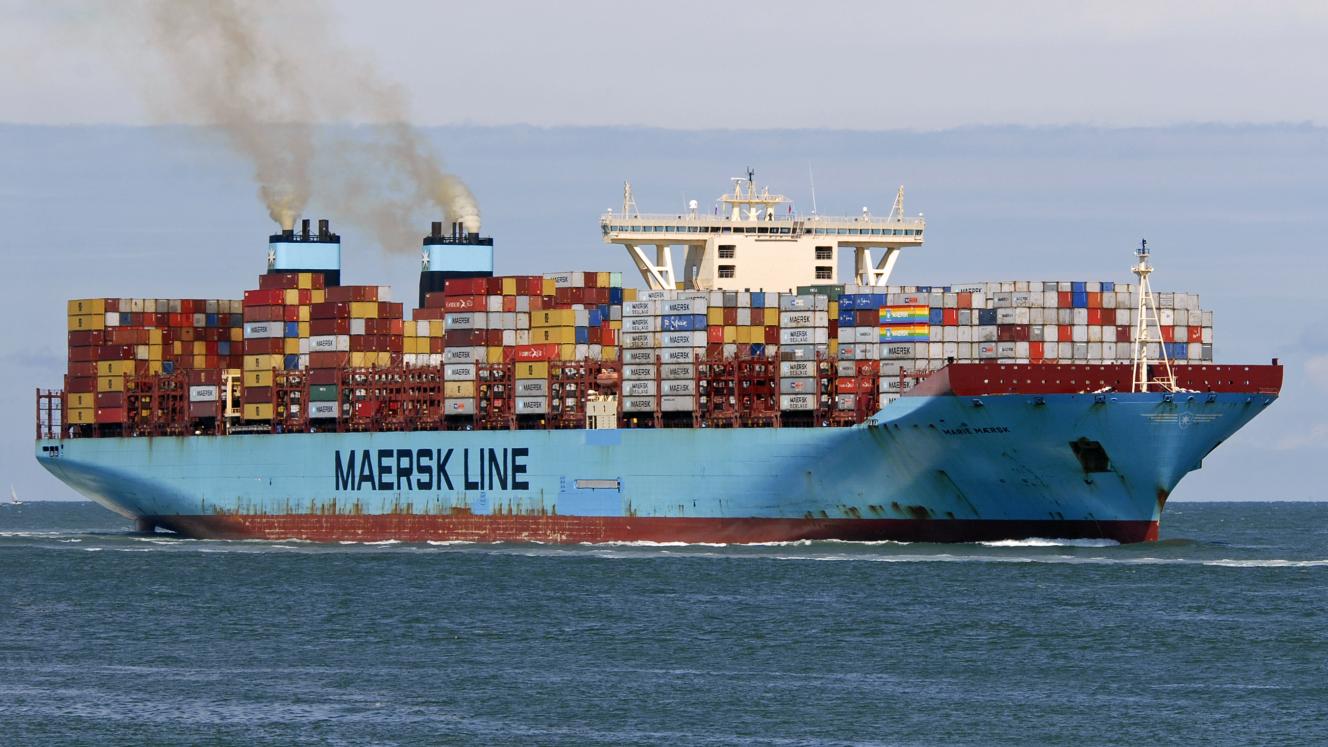
when applied to a 10 000-
TEU container ship, you
are talking about what
seafaring people call “an
awful lot” of boxes having
to be short-shipped. And
costing them a lot of money,
which gets passed on to
shippers/importers as
higher freight rates.
Despite efforts to get
some answers from the
Transnet National Ports
Authority (TNPA), nothing
was forthcoming before
print deadline.
INSERT
30cm or even 80cm
when applied to a
10 000-TEU container
ship translates into
“an awful lot” of
boxes having to be
short-shipped.
Durban berths fall short despite dredging
Comments | 0
© Now Media. This content is protected by copyright and may not be adapted or republished. If you would like to discuss cooperation opportunities, please contact: editor@freightnews.co.za.