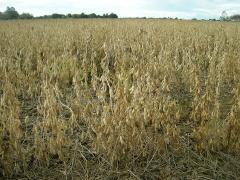
Animal, crop and horticultural production in the Western Cape is projected to fall by 10% this season as a result of the worst drought experienced in over two decades. However, the biggest impact may be on next year’s harvest since farmers may not have sufficient water for post-harvest irrigation.
This is according to Alan Winde, MEC of Economic Opportunities in the Western Cape, who tabled a report on the anticipated impact of the drought at a countrywide ministerial/MEC meeting in Pretoria on Friday.
The analysis, prepared by the Western Cape Department of Agriculture, is in advance of a more detailed report to be released soon by the Bureau for Food and Agricultural Policy (BFAP).
“The majority of our horticultural and vegetable crops are irrigated. Farmers have experienced localised shortages of irrigation water. Some stopped irrigating certain blocks, which will result in decreased yield,” said Winde.
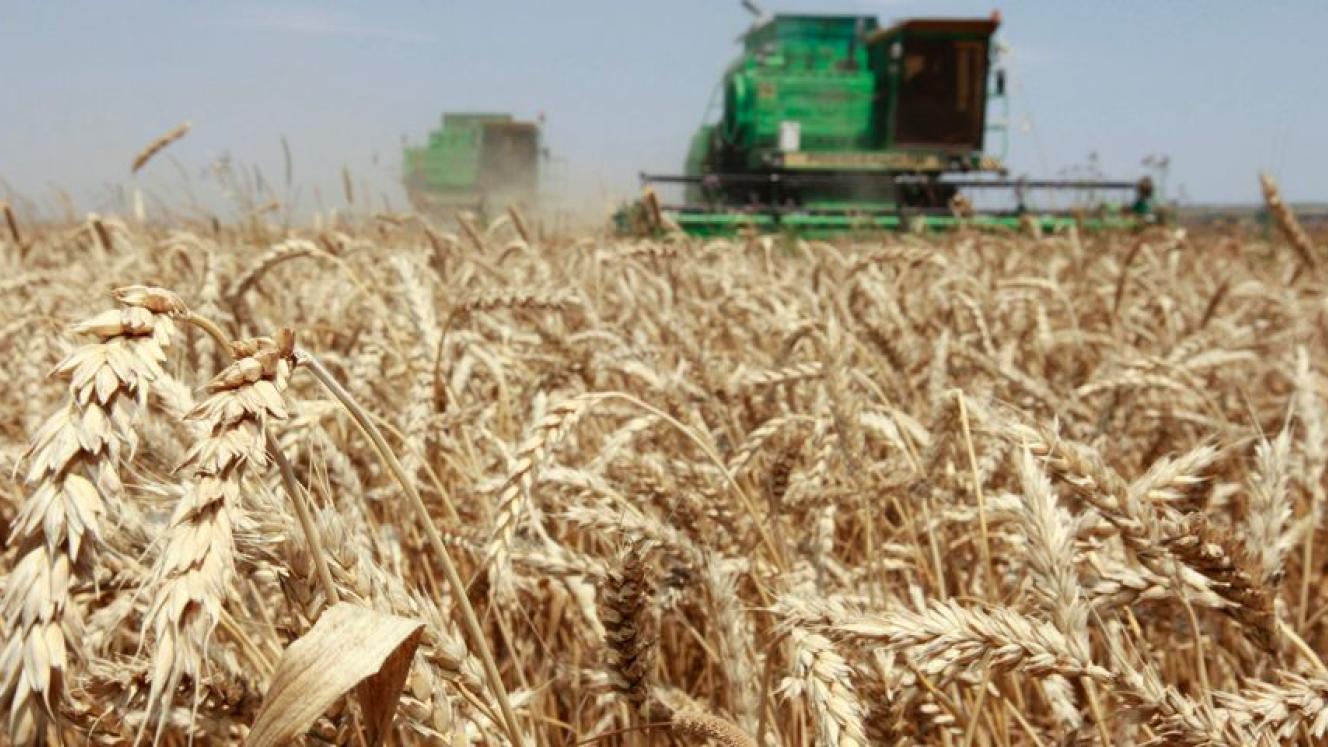
He added in a statement released today (Tuesday) that indications were that the wheat industry was the most severely impacted. “The local price of wheat will be based on the cost of importing wheat at a poor rand-dollar exchange rate, driving food prices up,” he said.
According to Winde, one of the biggest risks South Africa will have to manage is the potential shortage of white maize. “Southern Africa is one of only two regions where white maize is produced, with the result that it may be difficult to source product. We need to develop strategies to manage this risk,” he commented.