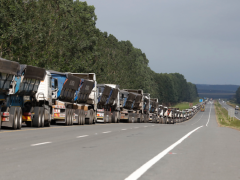
THE DRC is not just about mining. “In Kinshasa there’s a lot of activity on the ground and we’re starting to see investment not just in primary industries but in manufacturing as well,” says Bonnett. “The DRC has seen investment approaches of a couple of billion dollars into the non-mining and forestry sectors – in downstream iron and steel fabrication, basic medical supplies, gloves, syringes and the like as well as plastics, food and beverages and chemicals sectors.” In fact, says Bonnett, there’s huge opportunity across most sectors including infrastructure rehabilitation because virtually everything has to be rebuilt. And although it’s predominantly Frenchspeaking, Vodacom has done extremely well. “It’s the gem of their African operations out of SA.” In 2006 South African exports to the DRC rose by 41% to reach almost R2.5bn, led by machinery, vehicles, plastics products and other manufactured goods, including food products. But be aware of the challenges. The business culture is very formal and bureaucratic which can make it difficult to get meetings scheduled. Because of the poor infrastructure, moving around is a challenge and it can take a few hours between meetings because of problems with traffic and roads. It’s also important to be aware of the cost of warehousing and office space and how much you have to pay upfront to secure good facilities. On the positive side, the mining houses in DRC are largely Anglophone there’s no language barrier.
DRC – starting to pick up
Comments | 0
© Now Media. This content is protected by copyright and may not be adapted or republished. If you would like to discuss cooperation opportunities, please contact: editor@freightnews.co.za.