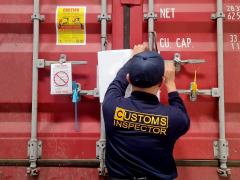
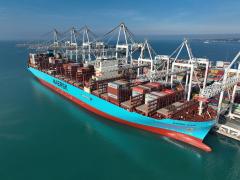
The National Department of Transport has denied claims that the ban on the transport of high cube containers is to be reinstated in KwaZulu Natal from March 25. This was confirmed by KZN Road Traffic Inspectorate (RTI) director John Schnell who described the information as ‘mischievous’. DoT spokesman Sam Monareng told FTW last week that he was not aware of any such plans. This follows an ‘unofficial’ warning received from the Road Freight Association that the start of the April school holidays was D-day. “I believe the originators of the email are trying to pre-empt the situation to their advantage to secure a concession they are not entitled to on the basis of a precedent or what they claim to be a precedent. So the short answer is no – the ban will not be reinstated,” Schnell told FTW. The row over the legality of transporting high-cube containers (with a travel height of 4.5-4.6 metres) on normal rather than lowbed truck trailers hit the headlines in December and threatened to bring the industry to a standstill. At the time the DoT said the height restriction legislation was introduced to ensure that trucks did not pose a hazard to other road users and was based on the height of some bridges. But the crisis was averted and a moratorium was placed on the ban, thanks to the intervention of the Durban harbour carriers’ division of the SA Association of Freight Forwarders in KwaZulu Natal and the RFA. Business Unity South Africa recently sent a strongly worded letter to the Department of Transport calling for an urgent lifting of the selective ban on high cubes. “The total height of a high cube loaded onto standard transport trailers exceeds the limit set in South Africa’s transport regulations by around 300 millimetres,” said Busa CEO Jerry Vilakazi. ‘”The total height, however, is still below that of a double-decker bus or a standard car carrier, both of which are exempt from the height restriction and are therefore legally allowed to operate on public roads. “Busa is not aware of any problems with low bridges on the major routes used for the transport of containers,” said Vilakazi. If transporters are required to use low-bed trailers this would mean manufacturers would have to design and build new trailers at immense cost, he added. The bottom line, says Vilakazi, is that 90% of containers will soon conform to the high cube dimensions. “In addition the new handling equipment installed in all our ports is designed to handle high cubes. All trading countries in the world are managing the transport of high cube containers and in many instances are also transporting them on similar trailers.” Busa has therefore proposed that the regulations on height restrictions be amended to legalise the movement of ISO high cubes – along similar lines to the exemption for doubledecker buses. “This should be preceded by a renewed moratorium until the regulations come into effect.”
DoT denies high cube ban plan
Comments | 0
© Now Media. This content is protected by copyright and may not be adapted or republished. If you would like to discuss cooperation opportunities, please contact: editor@freightnews.co.za.