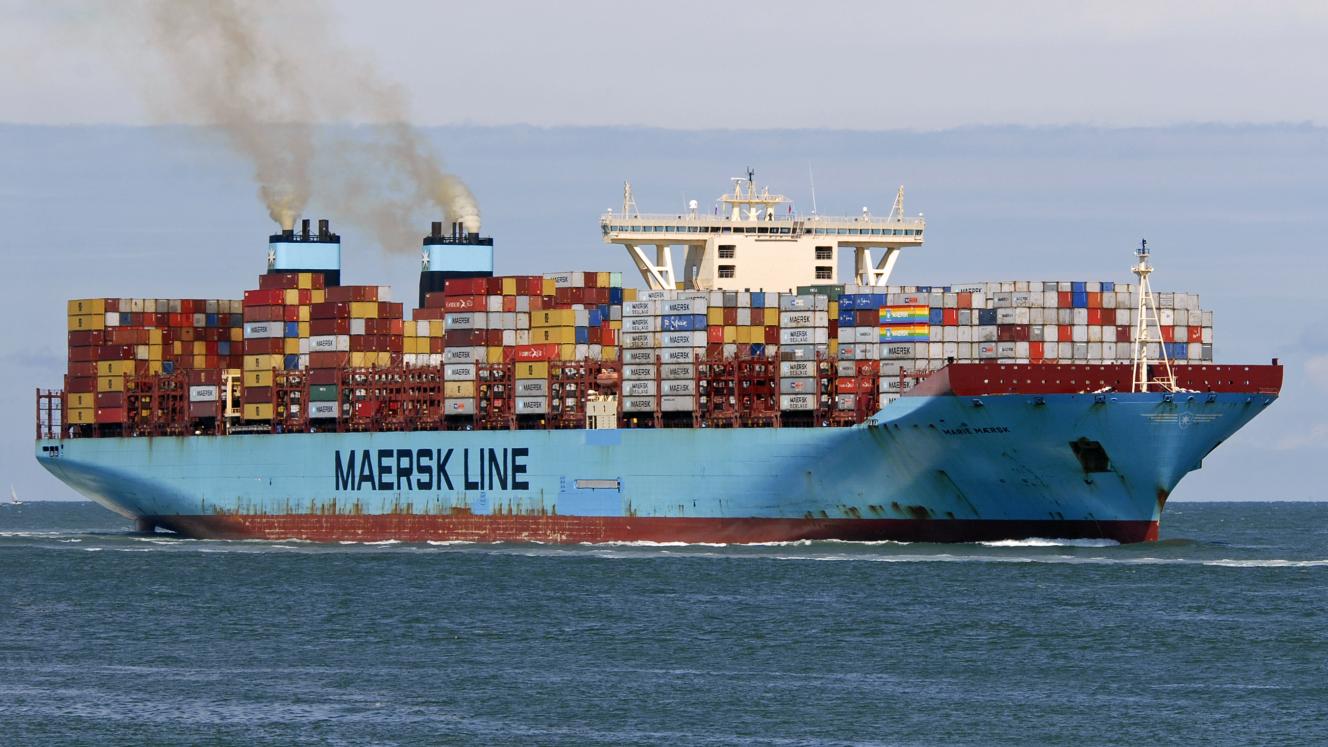
WHILE DAL Deutsche Afrika- Linien will go it alone in terms of marketing when the SafDAL agreement ends on October 31, the vessel sharing agreement ( VSA ) among the Saecs lines remains unchanged, Hamburg-based DAL manager Rudiger Brakling told FTW last week. “Being divorced doesn’t mean we cut all the ties,” said Brakling, “and we have managed to negotiate with the AP Moller Group that there will be continued co-operation within the Saecs service. We have also negotiated the continued use of the AP Moeller container pool,” he said. Brakling also stressed that all current agreements between SafDAL and its customers – which could run into next year – would be honoured by Safmarine and DAL individually. DAL’s liner service management will be based at Hamburg head office, with managers Rudiger Brakling and Michael Davies heading up the team. In the interests of improving customer service levels, DAL will be introducing its own home-grown IT system in South Africa, which is already working successfully in Europe. The agency network meantime has expanded both in South Africa and Europe. “In terms of our SafDAL agreement, DAL represented Safmarine in Germany and Denmark and they used their agencies elsewhere in Europe. We have therefore re-engineered our European network so that we are represented by our own agency offices in all other European countries,” he said. In South Africa DAL has opened offices in Cape Town, Durban, Johannesburg and Port Elizabeth, with East London and Mozambique to come on stream shortly. In terms of the Saecs operation, the core service will continue to deploy seven ships on a weekly frequency. “It’s not possible to maintain schedule integrity with six, which is why we introduced the Lica Maersk last year. “The intermediate service is however our current baby of concern," said Brakling. “The partners in Saecs have taken the decision to reduce the number of vessels in this service from seven to four for the period September 2008 to end January 2009. This is based on the seasonal decline in cargo demand and flows experienced during that period. The second string / intermediate service will revert to seven vessels in February 2009, in line with the anticipated increase in demand for cargo space," he said. “Not being a “global “ DAL will concentrate all its efforts on the trade between NWC/UK/Mediterranean to Southern Africa and vice versa. Of course the current crosstrade services offered by DAL Agencies will continue.” The bottom line, he concluded, is that while marketing and operational activities will now come under the DAL umbrella, the line’s customer-focused strategy will continue unchanged.
DAL gets its marketing ducks in a row
Comments | 0
© Now Media. This content is protected by copyright and may not be adapted or republished. If you would like to discuss cooperation opportunities, please contact: editor@freightnews.co.za.