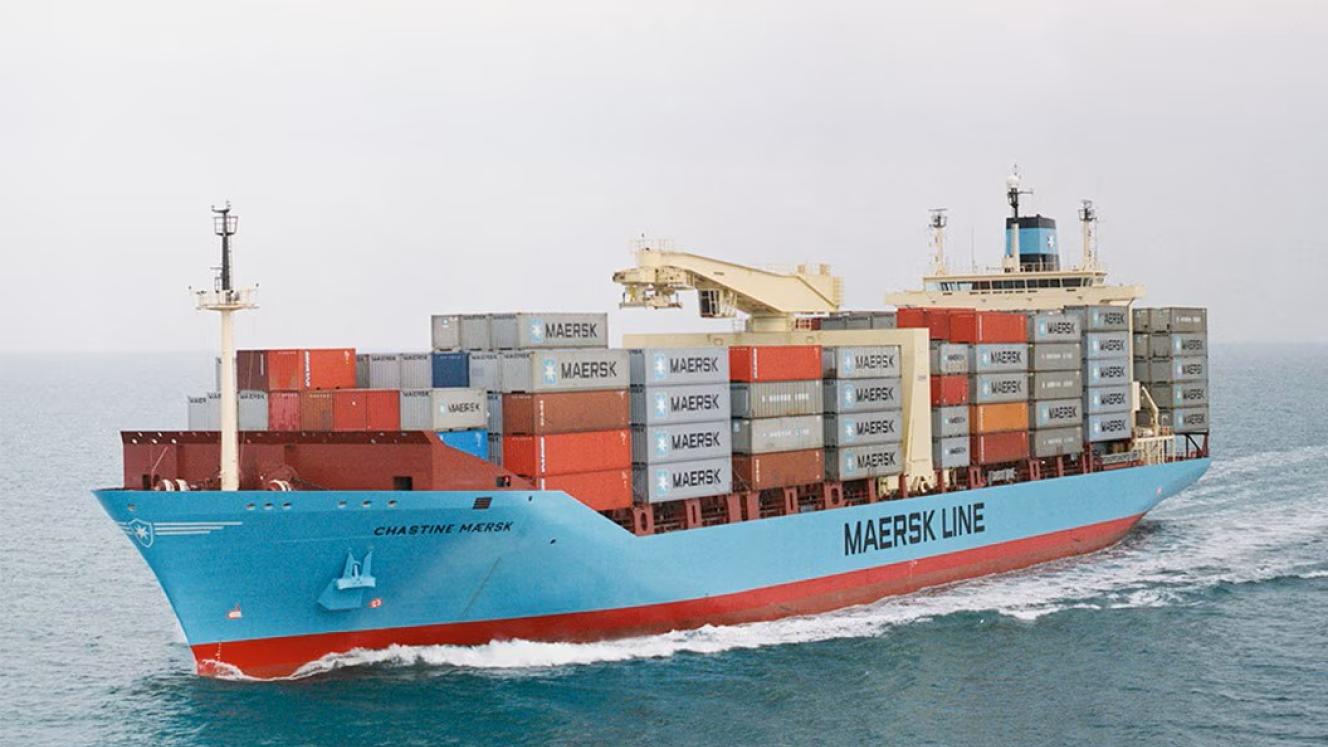
‘Sars should show more discretion’ CLIVE EMDON FREIGHT M OVEMENTS in Zimbabwe match the heydays of 1997, says M SC L ogistics director Lawrie Bateman. “In 2006 our volumes, although on a par with 2005, were the same as the heydays of 1997.” He says movements by rail make up 70% of MSC’s Zimbabwe volumes, the balance delivered by road. “Our other predominantly rail delivery areas include Botswana, Swaziland and L esotho, while Zambia, M alawi and DRC are served by road.” For 2006 M SC’s Botswana volumes were slightly higher than Zimbabwe making it the company’s top performer with an 81% increase over the previous year. Bateman says a hindrance to overborder imports is the number of customs stops experienced by the industry as a whole, but it’s an issue the South African Association of Freight Forwarders (SAAFF) is addressing. “While we fully support Sars in its endeavour to control illegal imports, more discretion should be shown when targeting the containers. Having ‘stopped’ a container the Customs officers need to ensure that the procedure can be completed with fewer delays than are currently experienced.” “Once a container is pulled out of the system costs mount rapidly – one can be faced with additional charges between R10 000 and R16 000,” says Bateman. “Attempts to recover from a highly disgruntled shipper or consignee in a foreign country becomes a nightmare. Resistance by the shipper/consignee is exacerbated if the outcome of the examination reveals no contravention of the Customs requirements.” He says that besides the intervention of Customs officials, containers can be stopped by the anti-smuggling team which deals with narcotics or the Border Police Unit which focuses on counterfeiting. MSC predicts Zambia as the growth point for 2007 but has been inundated with complaints from importers regarding costly ‘stops’ as well as the quantity of detail required to clear cargo onto a bond. “Many of these importers buy their cargo in “free ports” where the provision of exact weights and measurements and material analysis is not a priority. I n fact we are already losing an average of 80 TEUs monthly as cargo is being directed through Dar es Salaam to avoid such difficulties.”
Customs stops can cost up to R16 000 a container
Comments | 0
© Now Media. This content is protected by copyright and may not be adapted or republished. If you would like to discuss cooperation opportunities, please contact: editor@freightnews.co.za.