Revenue authorities from South Africa, Mozambique and Swaziland have called for more private sector involvement to address the scourge of illicit trading negatively affecting the region. Speaking at the annual Transport Forum held recently in Nelspruit, the three authorities agreed that to make any impact on illicit trade required not only a regional governmental approach, but also the commitment and involvement of the private sector. According to Amelia Nakhare, president of the Mozambique Revenue Authority, massive losses were being incurred on all sides of the border. “There is still a lack of legislation to support criminalisation of various forms of illicit trade,” she said, indicating that from
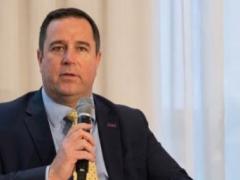
a governmental point of view efforts needed to be stepped up to actively fight illicit trade. “But we have to fight it together,” she said. Patrick Moeng, executive: customs investigations at the South African Revenue Service (Sars), agreed saying it was imperative to expand the barriers against illicit trade in various forms. “We also need to be a step ahead of the perpetrators. They are in their own workshops right now being very meticulous and proactive and planning their activities.” He said government and
law enforcement had a tendency to be reactive and that meant they were often being outwitted. “We can’t think as we used to. The skills and schemes of these criminals are evolving all the time, using the same value chain as that of legal trade. We need to develop capability and capacity to stop them faster than ever before.” A spokesman for Gugu Malinza, the customs commissioner for the Eswatini Revenue Authority, said financial losses were rising and illicit trade was directly impacting the entire region. “As administrations, we
are not in competition with each other and we have to synergise our efforts. Customs administrations have to collaborate more as do our border agencies. It also includes business. It is only when we are all working together that we will significantly improve the effectiveness of controls on our trade routes.” All three revenue officials agreed that an overarching regional
strategy to address illicit trade, closely involving the voice of business, was required. This included much-needed legal reforms, increased use of electronic and other information technology to exchange information better and support risk management more effectively, as well as streamlined processes that complemented each other across countries.
IMAGE WITH CAPTION:
We need to be a step ahead of the perpetrators. – Patrick Moeng