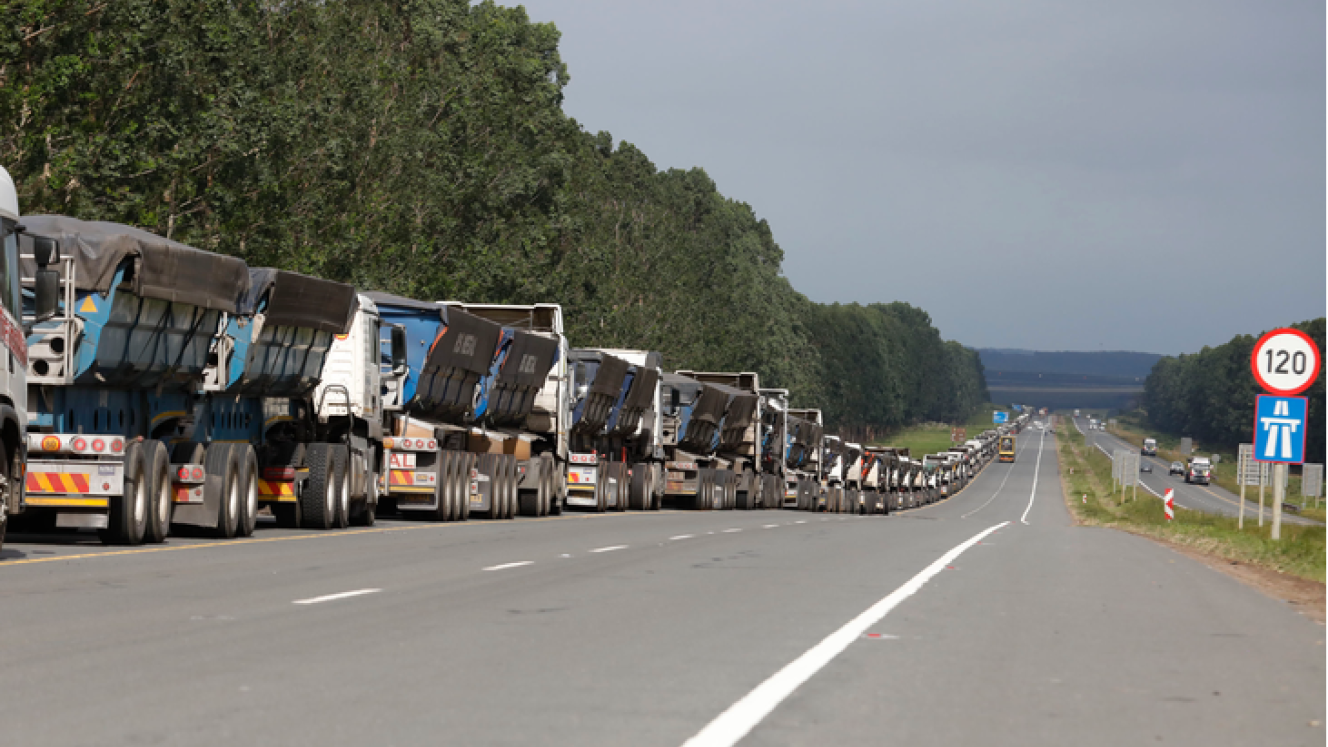
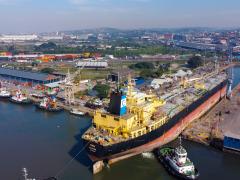
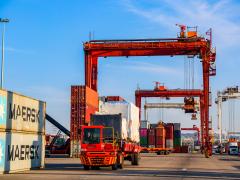
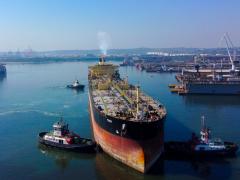
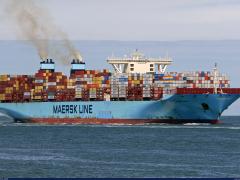
Concerns have been raised over the lack of priority given to container vessels waiting to berth at the Port of Cape Town after several incidents in recent months where vessels were kept waiting for hours. Industry recently brought the matter to the attention of the Port Liaison Forum (PLF), an initiative of the Cape Chamber of Commerce and Industry, saying the delays being experienced were adding significantly to costs. “Over one weekend container vessels were held up for hours while an oil rig that had been in the port for some months was moved out. There was hardly any warning around this rig movement,” said one stakeholder. “Vessel operators were only informed at around 9pm on the Saturday evening that the oil rig would be taken out on the Sunday. They were told attempts would be made to accommodate them in the early hours of the morning of Sunday, but at that stage it was too late to speed up on the container work and get vessels out or in.” And with rigs only moving during the day, the entire Sunday was taken up by moving the oilrig out of the port – which meant container vessels were bumped to the back of the queue. This came shortly after container ships had been delayed for hours when an empty tanker that had been at anchor for 18 months was also brought into the port and given priority. “Its just not on,” said another port user, who preferred to not be named. “The rigs are notoriously not ready when they say they are going to be and so it should not be that difficult to bring a container ship in to berth while waiting for the rig to get its act together. It is just unacceptable that vessel liners were not informed of this timeously. Everyone was caught off guard and that brings with it major costs.” He said port delays cost cargo owners tens of millions of rands per annum in lost income and the country simply could not afford such delays where cautionary action could have been taken if they were timeously informed. “There is a priority list for the berthing of vessels and one would assume that a working container vessel would take priority over an empty tanker, but that does not seem to be the case,” he said. “At the same time the port continues to charge berth occupancy for the vessel that is being prohibited from moving by the very authority it has to pay.” Mike Walwyn, chairman of the PLF, said they would lodge an inquiry into the incidents but also suggested a logbook be kept by industry to tally how often container vessels were not being given priority and were delayed. “I understand the industry concerns and we will take this up with Transnet National Ports Authority,” said Walwyn, “ but it does warrant more homework to determine the regularity of it.” Industry maintains that while they cannot give a figure as to how often container vessels are delayed because they are not a priority, it is also not infrequent. INSERT The port continues to charge berth occupancy for the vessel that is being prohibited from moving by the very authority it has to pay.
CT port urged to get its priorities right
Comments | 0
© Now Media. This content is protected by copyright and may not be adapted or republished. If you would like to discuss cooperation opportunities, please contact: editor@freightnews.co.za.