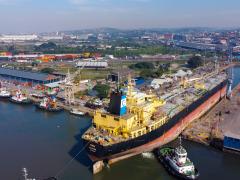
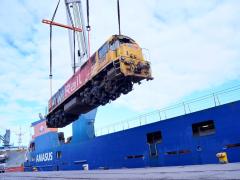
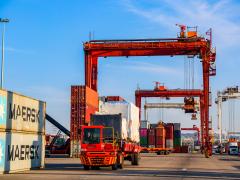
Industry has welcomed the move by Transnet Port Terminals (TPT) to merge its container and multi-purpose terminals at the Port of Cape Town saying it will be particularly beneficial to the container business during periods of high wind. Due to its geographical position the container terminal is far more vulnerable to wind than the other terminals at the port. “It has to do with the slope of the mountain and the wind tunnel that exists, which is all very technical,” said a TPT customer who preferred to remain anonymous. “Suffice to say the container terminal is more affected by wind. They have been diverting smallervolume ships to the multi purpose terminal for some time as it is not as windy as the container terminal and in light of the many complaints they have had around wind it was necessary.” The move to merge the terminals will make this more common practice, said the shipper. “While Transnet maintains this is due to its multi-purpose terminals not making money, a valid enough reason to do it, it also shows their willingness to engage with industry and hear our needs and concerns.” The Cape Town port, plagued by wind particularly during the summer months, has successfully implemented a wind strategy that enables it to remain operational in far heavier winds than other ports in the country. “With the two terminals merged there is opportunity to remain operational far longer as the one terminal is affected less,” said another stakeholder. TPT earlier this month told FTW the realignment of its operations at the port was designed to address its struggling multipurpose terminal, and also to realign its business to focus on containers which by its estimation will continue to see volume growth into the foreseeable future. CAPTION In future, containers in Cape Town port are likely to be less affected by wind delays.
CT port realignnment favours container shippers
Comments | 0
© Now Media. This content is protected by copyright and may not be adapted or republished. If you would like to discuss cooperation opportunities, please contact: editor@freightnews.co.za.