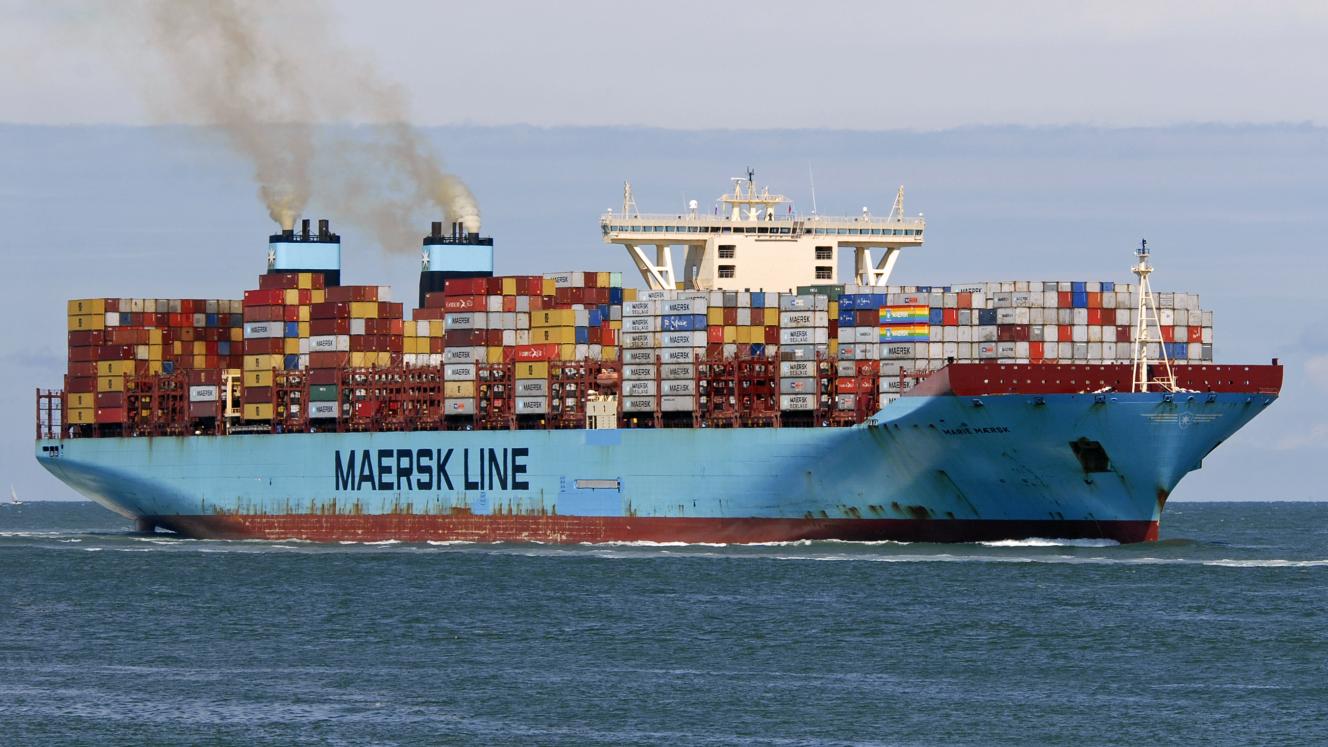
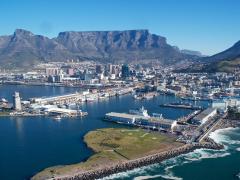
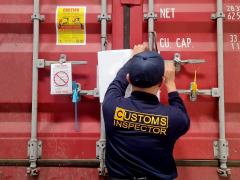
The recent record 432-hour delay to the Maersk Dryden at the Port of Cape Town (FTW March 26, 2010), has raised a number of questions about port productivity. While Maersk Line admitted that wind contributed significantly to the delay, there were other issues at play – like the fact that the vessel had to wait for 393 containers to be transhipped back from Port Elizabeth after Safmarine Makutu bypassed the Mother City Port earlier in the month rather than incur delays of more than 300 hours. Fred Jacobs, Safmarine’s director for corporate affairs, sub-Saharan Africa, commented: “This was definitely the most serious delay we have seen in recent times in South Africa. “The impact of the wind on our operation has been significant thus far but this was not caused by wind only. “The Cape Town Container Terminal refurbishment has restricted the quay length available, the above case (Safmarine Makutu/Maersk Dryden) involving vessels on our Safari service a good example. “Due to the works, these vessels can only be operated at Berth 603 as they are too big for the other berth, 601. Maersk Dryden’s overall length is 294.02m. Safmarine says allowances are made for a ‘reasonable’ amount of wind in operational scheduling but, extreme delays of this nature do nothing but add to further costs. Vessel delays are costly, estimated at around US$20 000 a day for a 4 000 teu vessel (when taking into consideration operating costs plus other costs associated with delays, for example cost of fuel as ships speed up to make up for lost time and transhipment costs etc). And, it must be said, this is what Maersk Line and Safmarine are desperately trying to avoid, having charted a course back to profitability. Wind will always be a factor in Cape Town’s shipping life, extensive, and expensive, with Transnet probes into seeking at least a partial solution, coming to nought.
CT can’t blame 432-hour delay on wind alone
Comments | 0
© Now Media. This content is protected by copyright and may not be adapted or republished. If you would like to discuss cooperation opportunities, please contact: editor@freightnews.co.za.