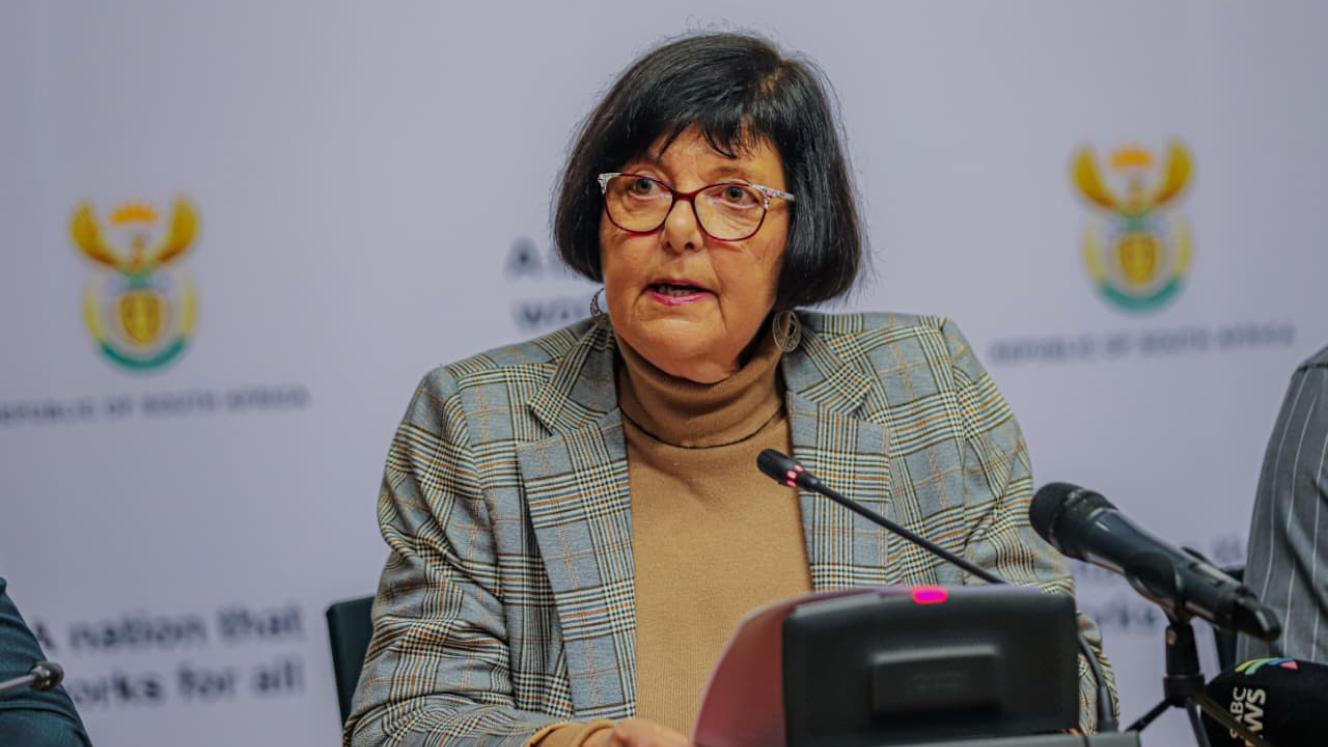
Transport Minister, Barbara Creecy, tabling her department’s R102 billion budget in Parliament on Tuesday, highlighted the imminent entry of private rail operators as a milestone in opening South Africa’s rail network to competition.
“Tomorrow [May 13], TRIM will announce the names of the first 11 private Train Operating Companies who aim to move up to 24 million tonnes of freight per annum from April 1 next year.
“This will ensure more South African minerals, vehicles and agricultural produce reach international markets, securing jobs and earning much-needed revenue for our fiscus,” Creecy said in her Budget Vote speech yesterday.
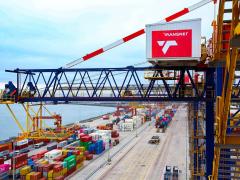
The move forms part of broader rail and port reforms centred on the National Rail Policy (2022) and Freight Logistics Roadmap (2023). The establishment of TRIM in November 2024 created the platform for third-party participation, allowing Transnet to focus on infrastructure maintenance and revitalisation while private operators increase capacity and volumes on key corridors.
Creecy announced the formal establishment in this financial year of the Transport Economic Regulator, which will independently set port and rail fees.
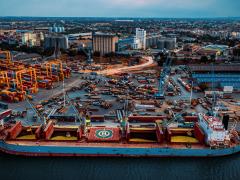
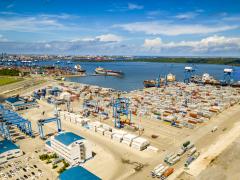
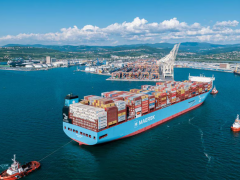
She welcomed the Durban Container Terminal Pier 2 concession reaching financial close, which will increase capacity from 2.0 million to 2.8 million TEUs per year. She said a strong pipeline of private sector participation projects was advancing, including the Ngqura Manganese Export Corridor, Richards Bay Dry Bulk Terminal, and the Gauteng-eThekwini Container Corridor.
Creecy said R16.8 billion had been approved through the Budget Facility for Infrastructure and was being spent on coal and iron ore lines and port infrastructure, with applications for a further R23.6 billion under development. She said improved rail and port performance was already delivering higher throughput, network reliability, job creation and emissions reductions.
Deputy Transport Minister Mkhuleko Hlengwa said progress had been made towards the corporatisation of the National Ports Authority as an independent entity.
“An independent Ports Authority will strengthen strategic and operational autonomy, accelerate infrastructure investment, increase private-sector participation, and improve overall port performance.”
He said a task team established in March 2025 had recommended a model, with a final decision pending consultation with the Minister of Finance.
Creecy acknowledged fuel price volatility affecting trucking and the taxi industry. She said the department was reviewing the Road Accident Benefit Scheme (RABS) with the intention of moving towards a no-fault, standardised compensation model with hybrid funding options.
Hlengwa reported RAF governance improvements and claims performance, with payments of at least R4.6 billion per month since September 2025. He said the RABS Bill would be tabled in Parliament this year.
Both leaders emphasised road safety, with Hlengwa noting a 6.2% reduction in fatalities in 2025 and a new Pedestrian Management Plan.
SANRAL will receive almost R31 billion for national road upgrades, including the N2 Wild Coast and Moloto corridor, expected to create over 35 000 jobs.
The budget also addresses cross-border efficiencies at Lebombo, public transport grant restructuring, taxi industry formalisation, and passenger rail recovery, which has seen journeys surpass 100 million annually.