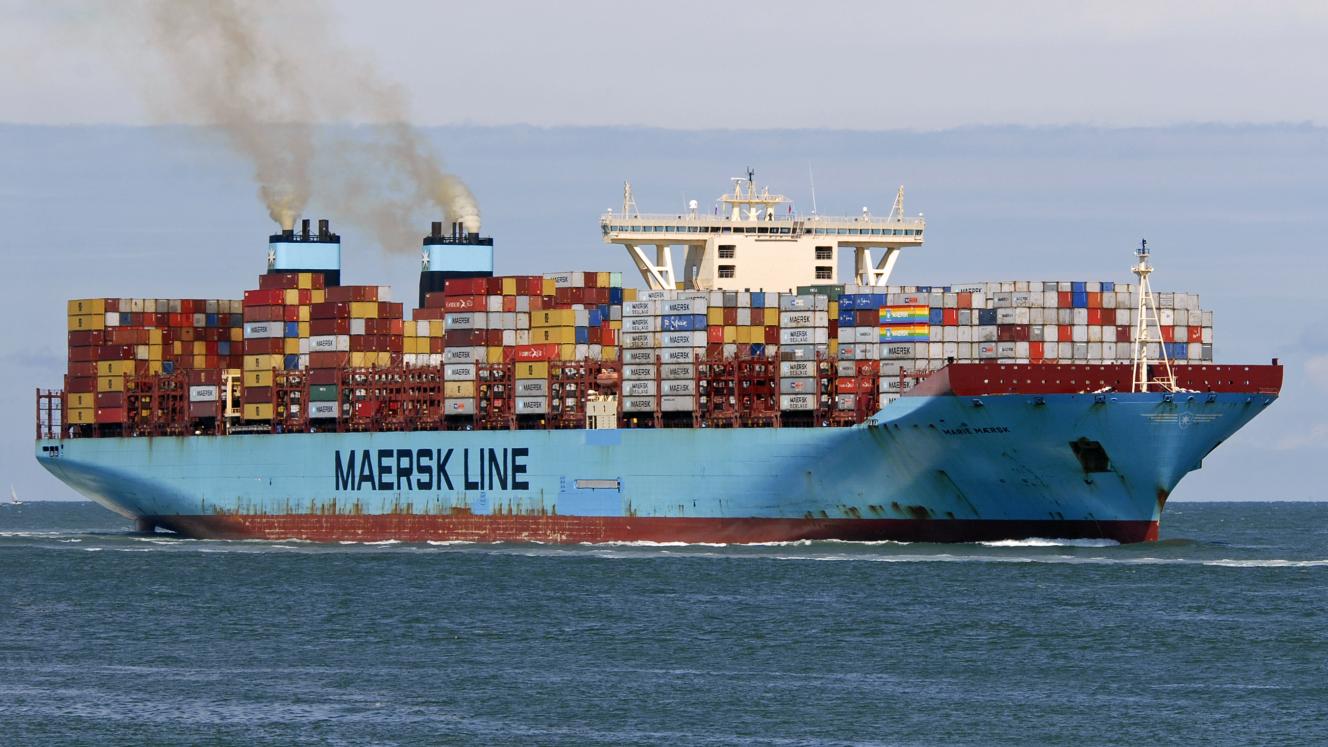
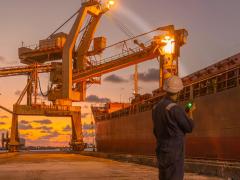
Shipping lines have displayed underwhelming support for Transnet Port Terminals’ (TPT) suggestion of using alternative berths in the Port of Durban, or redeploying vessels to Ngqura or Cape Town following crane damage at Durban container terminal (DCT) Pier 2. The two cranes were damaged during galeforce winds on July 4. According to information released to FTW by DCT terminal executive, Hector Danisa, the indications were that crane 518 would be promptly repaired, but crane 517 would have to remain immobilised at berth 204 until repairs had been completed – and this could take anything up to three months. This will have “a profound effect on berthing delays at DCT”, according to Danisa. “We are severely restricted due to berth 203 currently being out for the crane rail construction,” he added. “And, with the crane damage, there are very few vessels that would fit onto the remainder of berth 204.” The advice from Transnet Port Terminals (TPT) is for shipping lines with the right vessels and call sizes to look at using the agri/ ro-ro terminals at the Point and Maydon Wharf. Also to consider using terminals outside of Durban – including Ngqura and Cape Town. But shipping lines aren’t too keen on the idea. “The type of vessels calling at berths 203 and 204 are generally large post- Panamax vessels with high move counts,” said Andrew Thomas, formerly CEO of Ocean Africa Container Lines (OACL), and now head of Grindrod’s capital projects. “They will not be accommodated at Point or Maydon Wharf.” He could not be sure what services with smaller vessels could be moved from other parts of the DCT to Point or Maydon Wharf to create capacity within DCT either at Pier 1 or Pier 2. But Thomas stressed that the TPT idea of redeployment to other ports met with a major condition. “In order to successfully divert such services, or at least part of their cargo, to ports such as Ngqura or Cape Town will require rail capacity and cost equalisation between those ports and the Gauteng market,” he said. Iain McIntosh, marketing manager for Mitsui OSK Line (MOL), expressed similar sentiments about the movement of vessels within the Port of Durban. “It certainly has its challenges,” he said. He saw little chance of being able to move many of MOL’s vessels to Maydon Wharf or the Point, because there were no cranes on board these ships to supplement the limited ship-to-shore crane capacity at the terminals. “I wouldn’t want to put our ships into these two alternative berths anyway, because of the low move counts,” he said. The support from the AP Moller-Maersk Group (Maersk Line and Safmarine) was willing, but also conditional. The use of alternative berths is the best solution for the current situation in Durban, according to Craig Maulson, Southern Africa cluster operations manager for AP Moller-Maersk. “But the bigger nongeared vessels can only be berthed on specific berths within Durban – thus there is not much flexibility with these vessels,” he told FTW. “However, where possible, we are already making use of the alternative berths so as to reduce the impacts across all services.” Also, Maersk is still waiting for further information on the repairs on the last crane. “Once this is known,” Maulson said, “we will be able to plan contingencies accordingly.” INSERT ‘Diverting vessels will require rail capacity and cost equalisation between those ports and the Gauteng market.’
Crane damage despair in Durban
Comments | 0
© Now Media. This content is protected by copyright and may not be adapted or republished. If you would like to discuss cooperation opportunities, please contact: editor@freightnews.co.za.