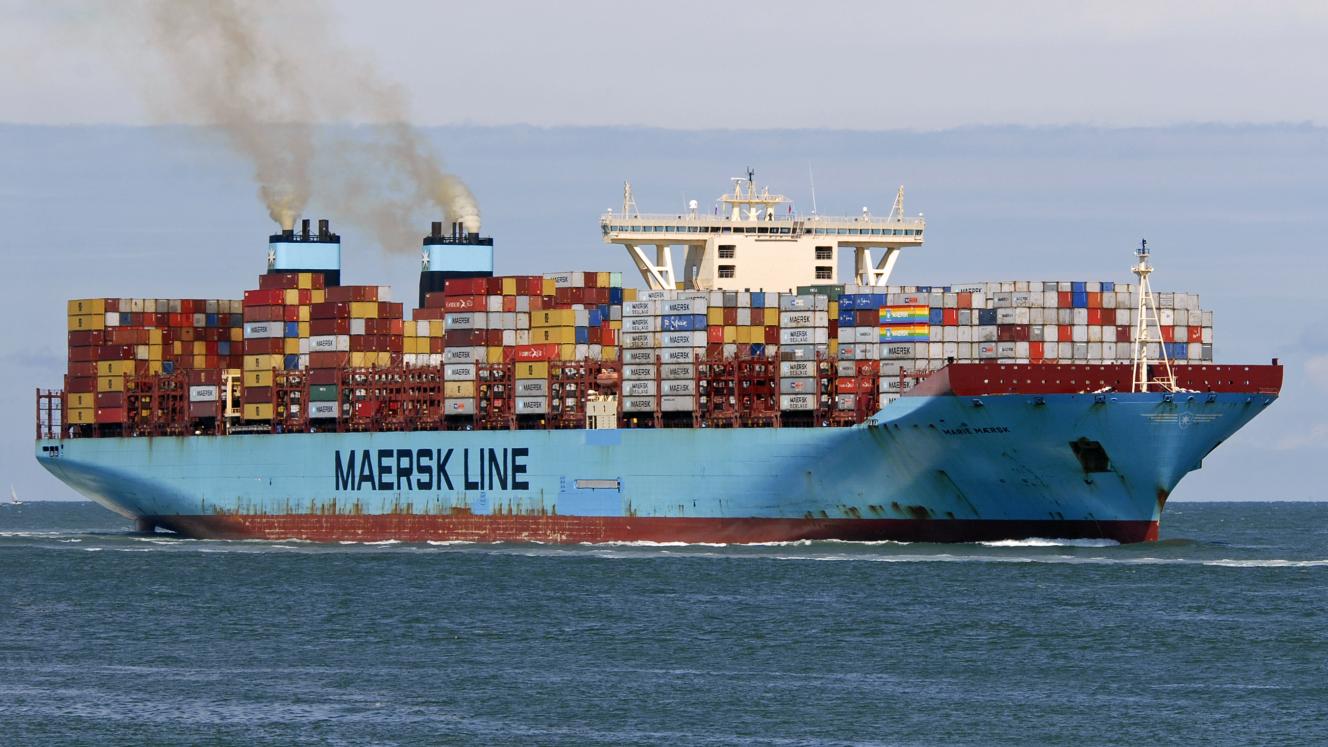
There is one bright spark amongst the means of solving SA’s electricity crisis – floating power stations. Because, if we leave it all up to Eskom, we are faced with several years of load shedding, and we’re just going to have to live with it, according to Eskom CE Tshediso Matona. It was Moneyweb reader Simon Norton, a Cape Town corrosion consultant, who brought this possibility to the publication’s attention. And its subsequent article said: “The energy specialists we subsequently tested it with confirmed that it was a real possibility.” The article then pointed to the Turkish Karadeniz Energy Group, the biggest of a number of global suppliers of powerships to countries experiencing temporary power constraints. This it conducts through power purchase agreements (PPA) – where the renter of the powership guarantees electricity off-take at an agreed tariff. Also, further research by FTW revealed these powerships moored at one place for an average duration of three to five years. For this reason, it would make them an ideal solution to bridge the gap until Eskom’s long-delayed new power plants at Medupi, Kusile and Ingula are in full operation. The drawback, however, is the delay between ordering such powerships and their delivery. They are former freighters which are converted into floating diesel power plants, and are not necessarily kept sitting around in stock. If you allow for the time it would take the DoE to “fast-track” such a rental agreement and the time for the acquisition and conversion of the necessary number, you’re certainly looking at probably three years minimum till the first deliveries could be made. So the ideal solution for SA would seem to be not powerships but power barges. The only difference here is that the barges are just floating platforms, and have to be towed to their intended locations. But these can be built very quickly in comparison to a powership or a landbased plant. A 100mW gas turbine power barge, for example, can be built in about three months and be ready for deployment. During the 1990s, power barges became a popular way of providing energy, and saw them operating as f loating power plants for customers located in the US, Bangladesh, the Dominican Republic, Brazil, Ecuador, Angola, Nigeria, Thailand, Ghana, as well as in the Philippines, Jamaica, Kenya and Malaysia. They operate on either liquid fuel or natural gas or a combination of the two. CAPTION The Turkish Karadeniz Energy Group is the biggest global supplier of powerships to countries experiencing temporary power constraints.
Could powerships be SA's salvation?
Comments | 0
© Now Media. This content is protected by copyright and may not be adapted or republished. If you would like to discuss cooperation opportunities, please contact: editor@freightnews.co.za.