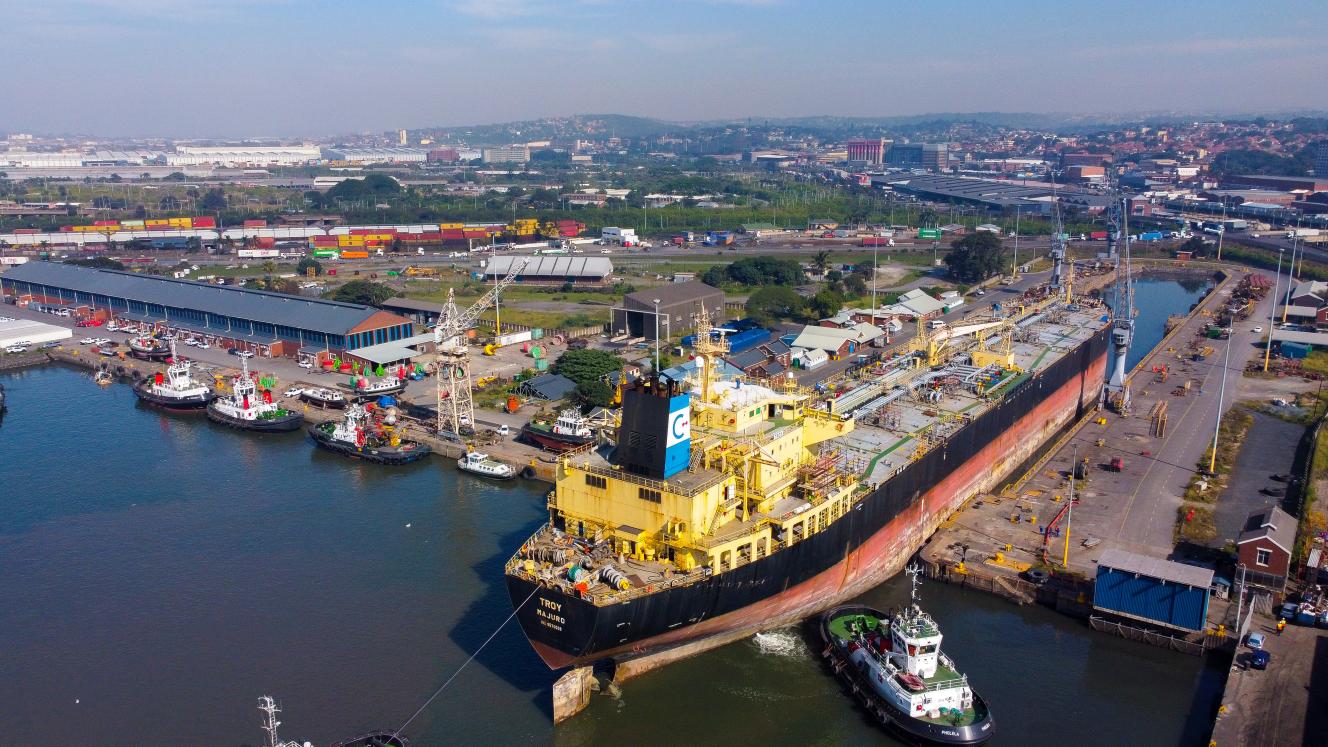
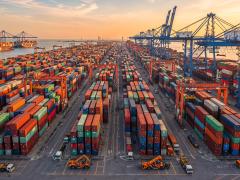
SA Transport and Allied Workers’ Union members last week rejected Transnet’s revised wage settlement package, the main element of which included an 11% increase on pensionable earnings, and on Monday downed tools nationwide. Utatu, one of the other two recognised unions, however indicated that it would not strike and undertook to consult its membership on the revised settlement. Satawu has indicated that it will consult its members on the offer during the strike. According to Transnet acting CEO Chris Wells, Satawu represents 39% of workers in the bargaining unit while Utatu represents 45%. “Accordingly, we expect the impact of a Satawu strike to be less than expected,” he said on Monday, “and the company’s command centres throughout the country are geared to move priority commodities to ensure that the economy runs with minimal disruptions.” FTW sources confirmed that operations had ground to a halt at the Port of Durban on Monday morning. Rail operations – apart from Metrorail – are also expected to be affected. Group executive: human resources Pradeep Maharaj told FTW last week that contingency plans were in place to ensure that critical flows continued to move. “In the process of setting those contingency plans we do not set a productivity target,” he told FTW. “We won’t, for example, try to maintain 25 or 26 crane moves per hour, which is our current target at the Port of Durban – that’s not possible during a strike. What we will ensure is that critical flows move. “And once the strike is over, during the recovery period, we will shift that target upwards to catch up with the backlog.” Resources that will be reined in as part of the contingency plan include managers who will operate equipment, retired staff and students in training. Maharaj gave his assurance that plans were in place to deal with any violence. Vessels will also be redirected, where appropriate, to less affected ports to keep the flows moving. During a detailed media briefing last week, Maharaj explained that the union’s 'unrealistic' wage demands were out of step with the parastatal’s shareholder mandate and strategic objectives. The central issue is the basic wage, with the union demanding 15%. Transnet’s wage offer has now been revised to 11% across the board. CPI, he reminded his audience, was currently at 5.3%. Maharaj further pointed out that the salary increase over the past five years had been 10% higher than CPI, while employee productivity had dropped by 4% since 2005/06. “Transnet is satisfied that a market-related wage increase has been presented to the unions, including additional benefits on allowances and medical aid,” said Maharaj. To afford what is perceived as an unrealistic increase demanded by labour, Transnet has several options open, he said. “We could increase tariffs, but that’s not appropriate in view of the increasing pressure from customers and our shareholder to promote volume growth and stimulate the economy. “Reducing capex is also not an option since critical capital investment is necessary to address the ageing asset base and create capacity for future economic growth in South Africa.” The third option would be to reduce head count to accommodate the three times CPI demand from the unions. “What separates us from the unions is the issue of affordability,” said Maharaj. FTW understands that labour has given its assurance that the strike will not continue beyond the start of the World Cup
Contingencies will ensure that critical flows move
Comments | 0
© Now Media. This content is protected by copyright and may not be adapted or republished. If you would like to discuss cooperation opportunities, please contact: editor@freightnews.co.za.