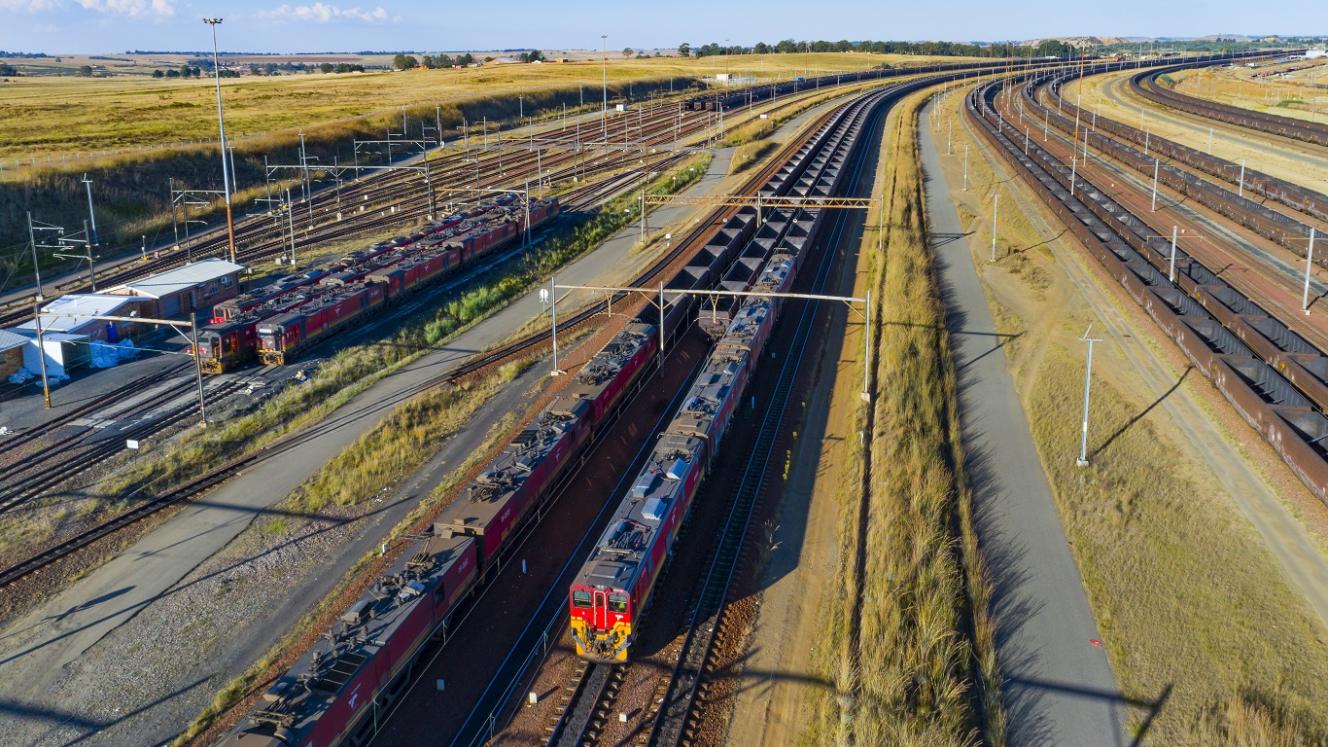
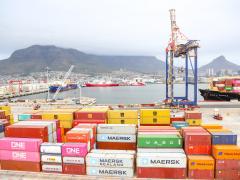
There are some very contrary thoughts on Transnet Port Terminals’ (TPT) proposed new breakbulk tariff structure – where all quayside costs are thrust upon the cargo owner/ agent. The reasons for the new structure are twofold. “The current break bulk tariff structure,” said TPT, “is complex and not user-friendly. A decision was therefore taken to heed the numerous customer requests and review the tariff structure.” A new application will be implemented from April 1 for all breakbulk cargo handled at all TPT facilities, the terminal operator added. The current structure falls under two headings. Under “Liner Terms” the cargo owner pays the terminal handling charges (THC), based on a per tonne basis. The shipping line pays the ship’s gear and labour (SGL) option, or the port cranes and labour (PCL) option. Under “Non-Liner Terms”, the cargo owner pays the THC and SGL or PCL combined. But, under the new structure, an all-in-one THC (inclusive of the SGL or PCL portion) will apply – and this will be billed to “the party representing the landing or shipping document at the respective TPT revenue office….”. In other words, the cargo owner/agent will be “accountable for the payment of the new all-inclusive tariff”. This, added TPT, will cause a reduction in the number of corrections in the billing process; a reduction in the number of credits processed; and a reduction in instances of the wrong company being billed for SGL or PCL charges, “based on incorrect information provided by customers/agents”. FTW put this announcement of the new structure in front of various parties representing the different stakeholders in the breakbulk shipping industry – and met with glaringly different responses. Thato Tsautse, CEO of the SA Association of Ship Operators and Agents (Saasoa), displayed no discontent. “The way I understand the tariff restructuring in the breakbulk sector,” she told FTW, “is that it seeks to simplify the tariff, rather than restructuring it. And this was at the request of the clients themselves. “The simplification process will ensure that the correct tariff is billed to the correct client.” Grant Stevenson, MD of Rennies Ships Agency and chairman of Saasoa’s bulk and breakbulk sector, also expressed no complaints. “On the face of it,” he said, “TPT is reacting to ‘numerous customer requests’. And, if this is the case and these customers are in the majority, then I would think they are doing the correct thing. “There is little or no change to the non-liner or free-in bookings, as this simply becomes a single charge. In the case of liner bookings the cost shifts from line to cargo – and the lines would need to adjust their freight rates accordingly.” But, viewed from the agents/ cargo owners’ perspective, there is anything but satisfaction, according to Dave Watts, maritime adviser to the SA Association of Freight Forwarders (Saaff) – but again speaking on his own behalf. “The communication from TPT on the tariff restructuring of breakbulk cargo will require both importers and exporters of breakbulk to carefully examine their contracts with carriers,” he told FTW, “as, in some instances, there may be a material impact on overall supply chain costs to the trader.” This, he added, will not be the case where carriage conditions are “non-liner”, for example, free-in/freeout stowed (FIOS). “Here,” Watts said, “the cargo owner has always borne the cost of stevedoring and use of cranes and labour (either ships or quayside) and terminal handling – usually know as ‘landing or shipping’ in the breakbulk environment. But it’s a different situation when it comes to carriage under ‘Liner Terms’ conditions – and may leave cargo owners at a disadvantage, according to Watts’ thinking. “In general,” he said, “the use of ‘Liner Terms’ indicates that the carrier is responsible for the costs of stevedoring and “cranes and labour” (either PCL or SGL) – while the cargo owners have always been liable for terminal handling (THC) whatever the terms.” “The restructured tariff will place cargo owners still using Liner Terms in a situation where they or their agents must pay more than they have normally contracted for – and either collect the cvost of PCL/ SGL from the carrier directly once paid, or accept that, as far as SA is concerned, breakbulk is in fact carried on “virtual” FIOS terms (excluding stevedoring). Also, very careful consideration has to be given to freight rates to ensure these costs are not included.
Conflicting views over proposed new breakbulk tariff
Comments | 0
© Now Media. This content is protected by copyright and may not be adapted or republished. If you would like to discuss cooperation opportunities, please contact: editor@freightnews.co.za.