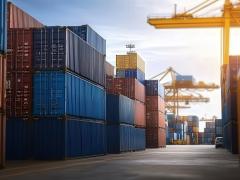
Haiti, Chile, Madeira, Bolivia…Mother Nature is wreaking havoc as global climate change kicks in with deadly intent, which raises the question of wind-prone Cape Town and the possible scenario should the problem intensify. That question has not escaped port authorities or the lines – what will happen if the Cape’s seasonal winds turn unseasonal, blowing at unexpected times of the year and for indeterminate periods. Earlier this year Sanjay Govan, National Ports Authority Cape Town’s port manager, told FTW shipping lines were concerned over wind and its related costs and that Transnet could not discount the likelihood that wind delays could prompt lines and/or shippers to switch cargo to other ports. Moshe Motlohi, Cape Town Container Terminal executive, says any business would be worried at the prospect of losing cargo but makes the point cargo bypassing Cape Town due to wind would have to be transhipped back to the Mother City by road or rail, at additional cost. “The wind is seasonal but it also works in a year cycle where some months it may not blow. Unpredictable.” Motlohi says the terminal’s new equipment, to ultimately include eight new super post-panamax ship-to-shore cranes and deeper berths to accommodate larger vessels with a draft of 14.2 metres, will serve the customer needs. “This equipment will enable the terminal to recover and normalise after the wind has blown.” Refurbished 601 is regarded as a “high-production berth”, as are the remaining three to follow, all helping to alleviate the situation, in Motlohi’s view. Safmarine says wind delays and the windy season are taken into consideration when drawing up schedules, buffer times included, thus accommodation is in a sense made for a “certain amount” of wind. However, if wind-related delays become worse and less seasonal then “careful consideration” would need to be given to other alternatives, particularly for services via the Indian Ocean, with Durban and/or Port Elizabeth as the call. The reality, says Safmarine, is that Cape Town is not only the “natural call” for vessels approaching South Africa via the Atlantic but the best port for perishables such as fruit. “Other ports/transhipments could be an option for dry cargo and hard frozen cargo ex the Western Cape but there are many factors to be considered (cost, transit times etc) in routing this cargo through other ports – not calling Cape Town wouldn’t necessarily be a cheaper or better option.”
Climate change bogey haunts windswept Cape Town
Comments | 0
© Now Media. This content is protected by copyright and may not be adapted or republished. If you would like to discuss cooperation opportunities, please contact: editor@freightnews.co.za.