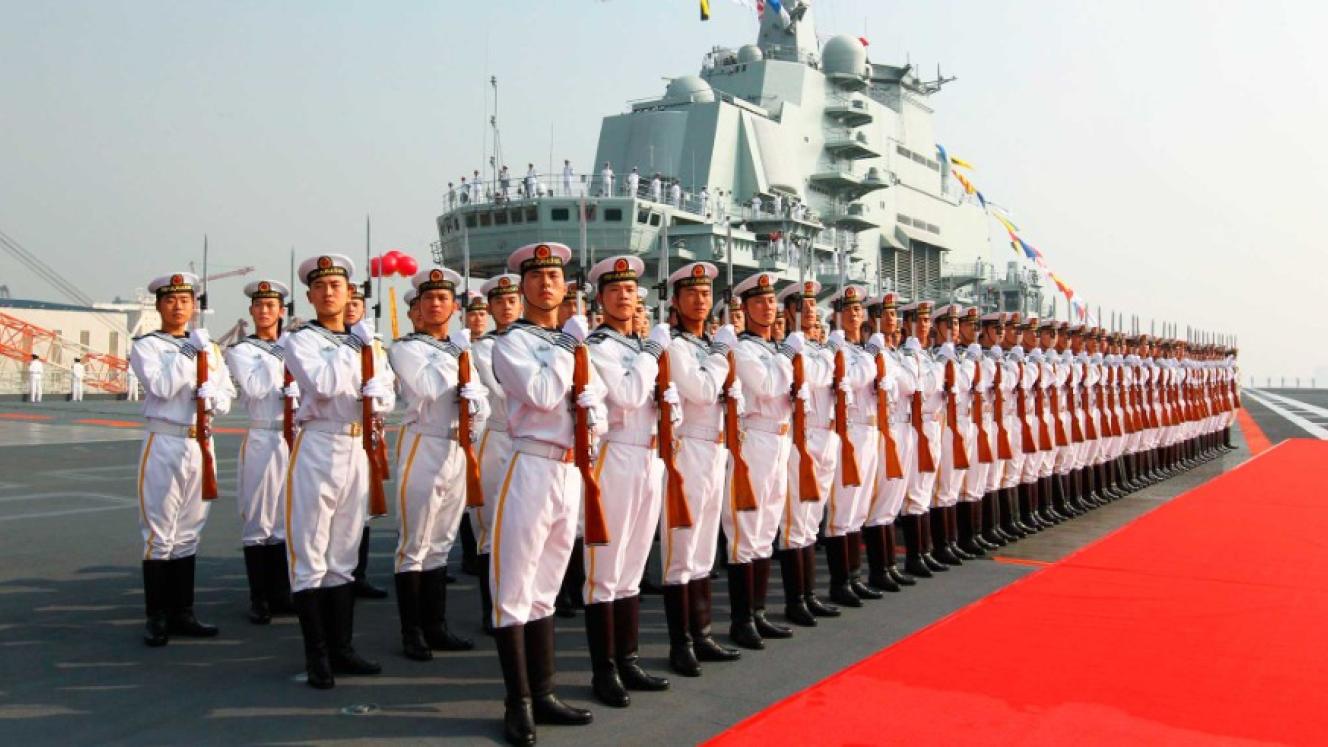
South Africa will host a naval exercise from January 9-16 together with several Chinese, Russian and Iranian naval vessels.
According to the South African National Defence Force (SANDF) the exercise, originally called Exercise MOSI III, and now titled Will for Peace, will be led by China.
“Exercise Will for Peace 2026 brings together navies from Brics Plus countries for an intensive programme of joint maritime safety operations, interoperability drills and maritime protection serials,” said an SANDF statement issued by Brigadier General Nditsheni Singo, the acting commanding officer of the Joint Operational Headquarters.
The exercise theme is “Joint Actions to Ensure the Safety of Shipping and Maritime Economic Activities.”
“This theme reflects the collective commitment of all participating navies to safeguard maritime trade routes, enhance shared operational procedures and deepen cooperation in support of peaceful maritime security initiatives,” the SANDF said.
Exercise MOSI takes place every two years, but the most recent event was postponed in November due to the G20 summit.
According to Defenceweb, participating warships are en route to South Africa. On December 24, two Chinese navy vessels made a port call in Mombasa, Kenya, the Type 052DL guided-missile destroyer Tangshan (D122) and the Type 903A replenishment ship Taihu (K889).
Russia is sending the Steregushchiy Class corvette Stoykiy (F545) with a Ka-27PL ASW helicopter on board and is escorting the Altay Class Yelnya (A168). They arrived in Pointe-Noire, in the Republic of the Congo, on December 21. The Iranian Navy’s 103rd Flotilla will also take part in the exercise.
DA spokesperson on defence and military veterans, Chris Hattingh, has criticised the participation of Iran and Russia in the exercise.
“MOSI III was postponed because of its political and diplomatic sensitivity ahead of the G20 summit. That sensitivity has not disappeared. It now appears the same strategic exercise is simply continuing under a new name and softer language,” Hattingh said.
“This exercise is being led by China and includes participation by Russia and Iran, both heavily sanctioned and both involved in active conflicts. Hosting and training with such forces cannot be described as neutral or non-aligned. It is a political choice, whether the government admits it or not,” he said.
Hattingh said calling the exercise “Will for Peace” did not change this reality.
“At the same time, China is conducting large-scale military exercises, rehearsing for a possible invasion of Taiwan. Using the language of peace to describe this kind of military alignment is misleading. South Africa’s policy of non-alignment is losing credibility because our words and actions no longer match.”
Hattingh said South Africa’s entrance to Brics was purely for economic purposes and not to challenge or undermine the international rules-based order “through blatant and weaponised antagonism”.
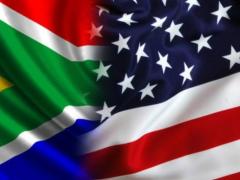
“While the government insists it is neutral, defence cooperation with democratic partners is falling apart. Joint exercises with the United States have been cancelled and trust is being damaged,” Hattingh said.
He said Parliament had not been properly briefed on the exercise, its costs, command structure, legal status or its diplomatic consequences.
“That is unacceptable. These decisions affect South Africa’s foreign relations, trade, security, and reputation, and they cannot be made behind closed doors. The SANDF exists to defend South Africa and its people, not to provide a platform for global power politics.”
He said the DA would request a full parliamentary briefing on the exercise.