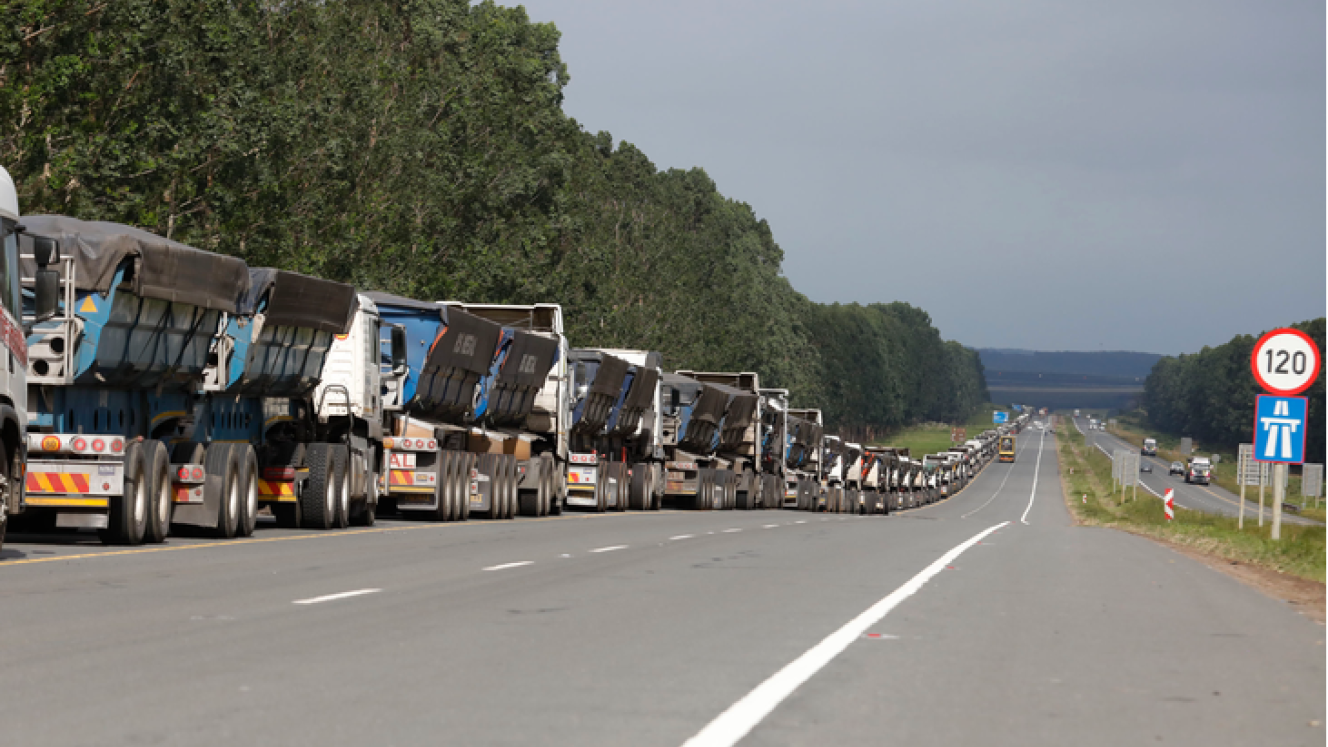
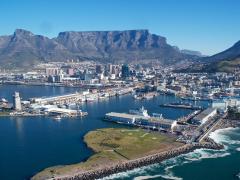
Moving the transportation of dangerous goods from road to rail is an important priority for the Chemical and Allied Industries’ Association (CAIA). Due to a major increase in the number of vehicles on the roads, the deteriorating road conditions and drivers not being appropriately managed, CAIA has seen a major rise in road fatalities in 2009. A total of 14 people died in road accidents. But, says Dr Laurraine Lotter, executive director of CAIA, there are also more incidents happening on roads that impact the economy negatively. “The biggest contributor to transportation incidents is road transportation as opposed to rail and pipeline. In 2009 we had a total of 186 incidents on road with only three on rail and two for pipeline.” CAIA defines an incident as anything that involves the spillage, leakage or other escape of products being transported from one place to another. This also includes incidents causing public disruption where roads have to be closed and any public activity restricted. “Road is a risky form of transport for freight, full stop,” says Dr Lotter. “When it comes to the transportation of dangerous goods, even more so. A spill or a leakage can see a road closed for hours, something that has a huge economic impact.” Not only that, she says, there are also delays with road that result in goods reaching their destination late. “It takes a truck six hours just to get in and out of the Durban port. We believe rail will be a viable option.” But, says Dr Lotter, it needs to be efficient and effective. “As an organisation, we are involved and participating in the drafting of the new Freight Strategy for the country by the Department of Transport and give regular input as to the needs for a rail system. At this stage, though, it is not an option as we just do not have the infrastructure.” It has also become apparent, she says, that Transnet Freight Rail just does not have the budget to invest in the necessary rolling stock and it is important that public-private partnerships be investigated as an option. “We no longer have rail sidings at factories and the branch lines have totally disintegrated at some places. To make the move to rail viable will, however, require a significant investment by government and the private sector.” But it is an important priority. “There is no doubt that more freight must be transported by rail. To benefit the economy, though, it needs to be an efficient and effective service at a competitive rate. We manufacture to export, and to grow our exports this is an issue that must be addressed if we want to remain internationally competitive.”
Chemical industry pushes for return to rail
Comments | 0
© Now Media. This content is protected by copyright and may not be adapted or republished. If you would like to discuss cooperation opportunities, please contact: editor@freightnews.co.za.