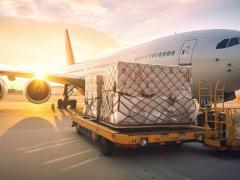
The required training for cargo screeners in this country is totally inadequate, and leaves a critical gap in SA’s air cargo security chain, according to Bob Garbett, MD of Professional Risk and Asset Management, and a recognised authority on training in the industry. “The cargo security screener fills a vital key post in the air cargo industry,” he told FTW, “and must be serviced by highly skilled personnel of particular character. “But they presently require totally inadequate training in terms of the Part 110 regulations, and this is a very serious flaw in our security chain.” This missing link in the chain has been highlighted in urgent correspondence with the SA Civil Aviation Authority (SACAA), but has not been dealt with to date. “In reply to a letter received late in June from the acting director of the SACAA regarding this situation,” Garbett added, “we sent a lengthy reply in the middle of July, pointing out that this was a very serious problem. “But, I must very sadly report that we still have not reached a satisfactory conclusion with the SACAA regarding the Part 110 screener certification.” Just to confuse the issue, another serious complication has raised its head, according to Garbett. This is a clause in the aviation regulations that would see cargo screeners who haven’t before now passed the Part 110 training – no matter how inadequate it is deemed to be – being unable to continue in that post. “In terms of Part 130 of the new Aviation Act,” he said, “exemptions may only be given for a maximum of 360 days. Therefore, the exception in respect of cargo screeners will expire right now (mid-September).” Where does that leave those air cargo companies that employ cargo screeners not qualified under Part 110? “We have asked the SACAA for an answer urgently,” Garbett replied. “But we also suggest to these companies that – if your cargo screeners are not qualified under Part 110 – you either introduce an alternative screening method or take advice from your liability insurance underwriters as to whether you can continue making cargo ‘known’ under these circumstances.”