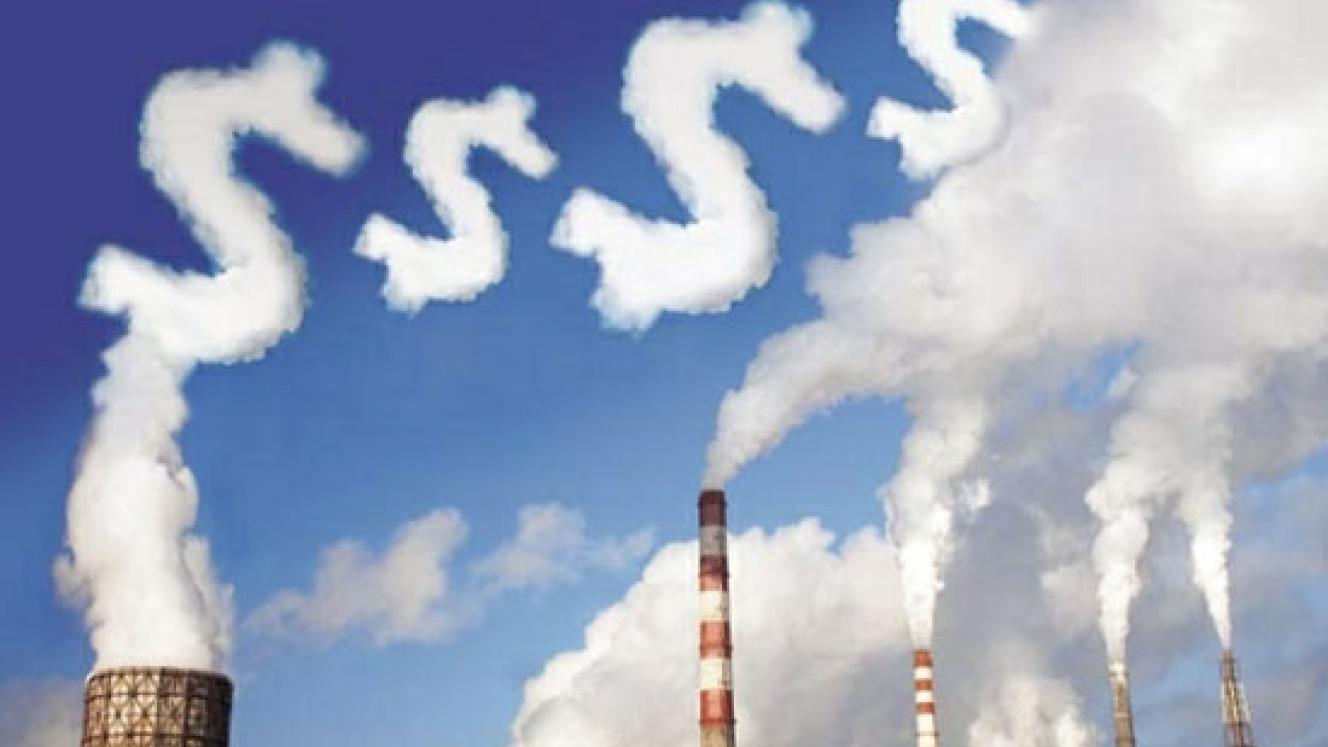
With the implementation of the proposed Carbon Tax less than a year away, manufacturing bodies have expressed concern that the introduction of yet another financial penalty – in the wake of an increasingly depressed local economy – could derail any hope of increased industrialisation.
Bridgette Mokoetle, industrial relations and legal services executive at the Steel and Engineering Industries Federation of Southern Africa (Seifsa), pointed out that while there was no doubt that South Africa should play an active role in curbing climate change, the approach should be such that efforts to reduce green-house gas emissions did not add further insult to South Africa’s already bleeding economy or, even worse, hamper the country’s economic growth plans.
“The introduction of the Draft Carbon Tax Bill also comes at a time when the South African economy in general, and the metals and engineering sector in particular, is burdened with a host of negative economic factors such as higher production costs, lack of demand, labour unrest and compliance red tape, among others,” she said.
According to her, for a developing country such as South Africa, introducing carbon tax poses the threat of negatively impacting growth plans. “Industrialisation naturally entails large-scale introduction of manufacturing and other productive economic activities, which inevitably generate emissions in the process,” said Mokoetle.
She added that re-industrialising the South African economy would also result in an increased demand for power. “South Africa’s heavy reliance on coal for electricity generation means that as the country re-industrialises, and more power is generated, more emissions will be generated in the process.”
Furthermore, such taxes could potentially hamper foreign direct investment. “Why should foreign investors invest in a country that punishes investors when there are other countries on the African continent that have no such taxes?” queried Mokoetle.
The Chamber of Mines agrees, suggesting that the introduction of a carbon tax should be delayed by five years, pointing out that a delay in the publishing of the bill would be advantageous given the absence of a proper regulatory impact assessment on the economic costs and benefits of imposing such a tax.
Chamber of Mines CEO Roger Baxter said in a statement that "with electricity prices already having trebled in real terms in the past seven years, further cost increases imposed by carbon taxes could further undermine the embattled mining sector”.